



Anglo Indian Settee
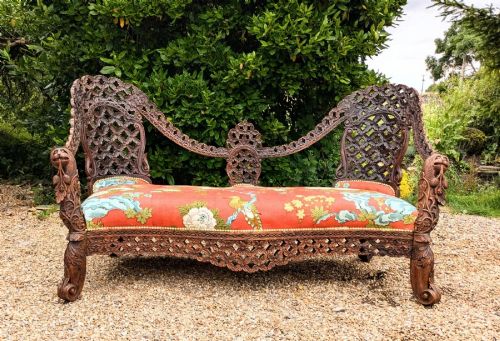
An anglo indian settee brings colonial craftsmanship and intricate carving straight into a modern interior.
Anglo Indian Settee
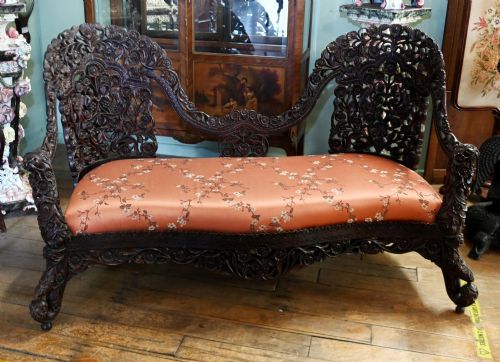
An anglo indian settee represents a distinct synthesis of traditional British seating forms and elaborate Eastern woodworking traditions. These pieces emerged from the colonial era, merging domestic European comfort with the rich ornamentation of local artisans in regions such as Bombay, Ceylon, and Burma.
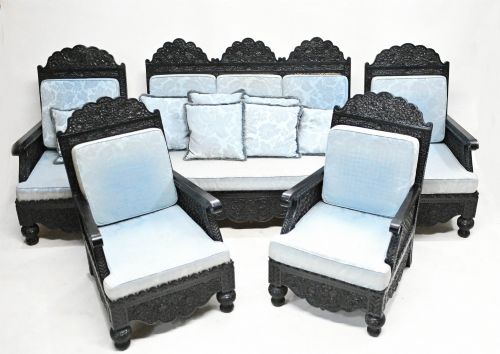
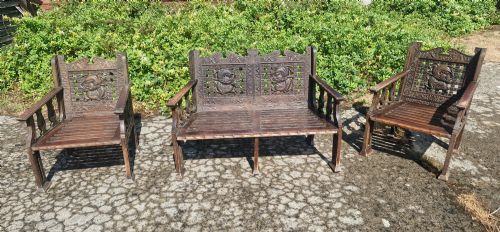
The specimens encountered here typically span the nineteenth century, alongside occasional eighteenth-century examples and early twentieth-century interpretations. Forms range from heavy carved sofas and daybeds to expansive veranda benches and complete conservatory suites.
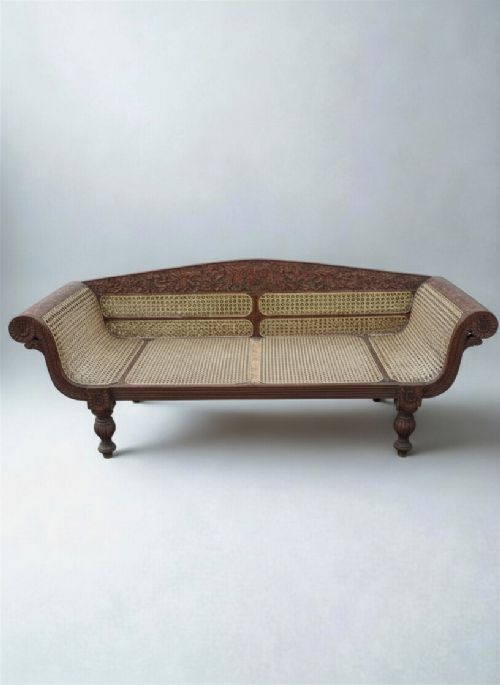
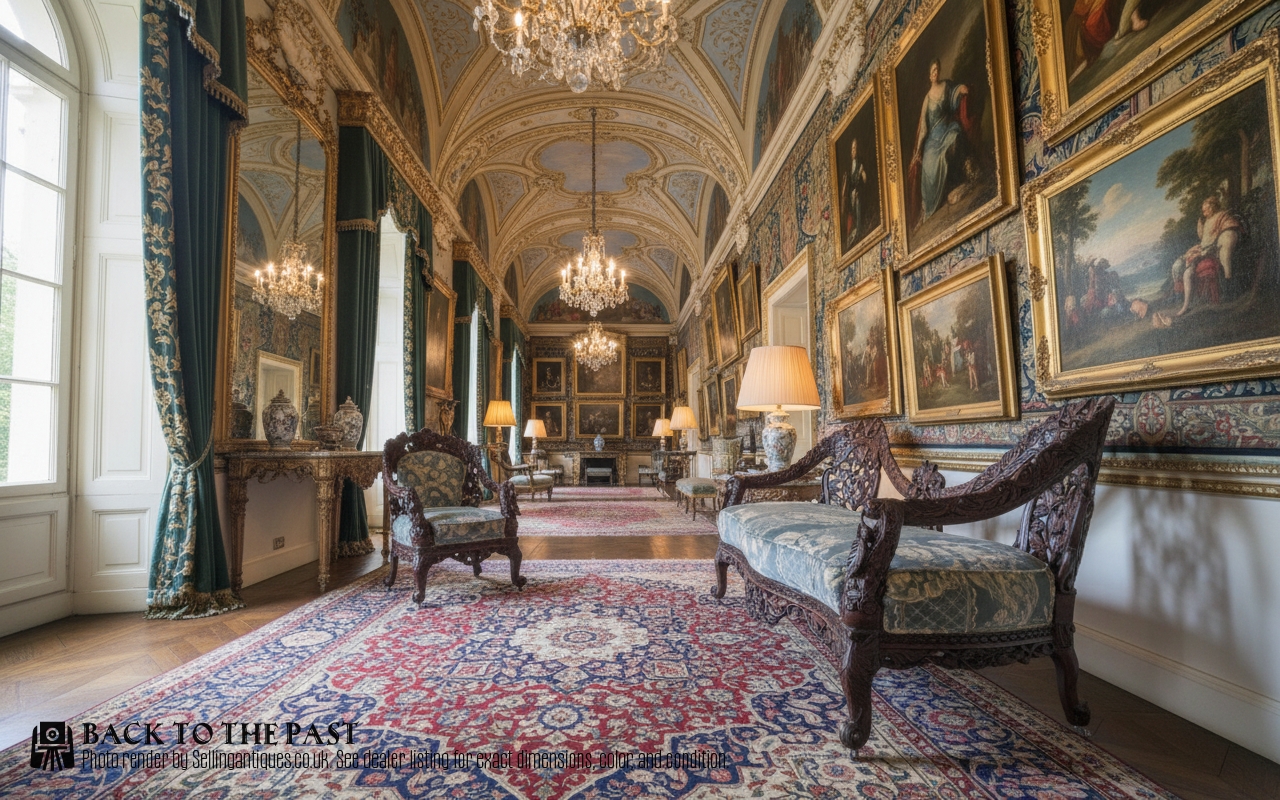
Buyers most frequently meet substantial hardwood frames featuring deep hand-carving, scroll backs, or intricate caned seating surfaces. They function exceptionally well as statement seating in hallways, living rooms, or garden rooms.
How they were made
Master craftsmen utilised dense regional timbers such as teak, padauk, rosewood, walnut, and general hardwoods that could endure punishing climates while supporting deep, sculptural relief work. These timbers were selected for their grain and stability, allowing carvers to execute pierced scrollwork and floral motifs without compromising the structural integrity of the frame.
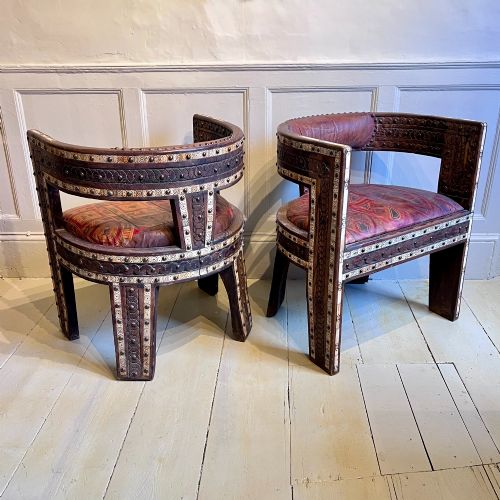
Cane panels were intricately woven to provide breathable seating suited to warmer latitudes, often paired with carved wooden frames or supplemented by upholstery, fabric, leather, bone inlay, and brass details. The integration of cane required specialist tensioning techniques to ensure longevity across extensive sofa and daybed bases.
Anglo Indian Settee Retail Price Guide 2026
Typical asking prices for anglo indian settee among the pieces listed under this phrase on Sellingantiques today, from the lower quarter to the upper quarter. They describe what is for sale here now, not the wider market.
The listings here demonstrate a strong presence of nineteenth-century pieces alongside eighteenth-century and early twentieth-century examples.
What varies in quality
The distinction between ordinary production and superior craftsmanship lies entirely in the depth, crispness, and symmetry of the hand-carving across the wooden frame. Finer examples display meticulous undercut relief work and balanced proportions that maintain structural harmony despite heavy ornamentation.
Material selection and the integrity of secondary elements, such as the tightness of cane work or the quality of applied rosewood and teak, dictate the lasting value of the piece. Veranda benches and sofas retaining their original structural joinery without excessive timber shrinkage stand firmly at the upper end of the scale.
The Anglo Indian Settee Glossary
- Cane
- Woven rattan material used for seats and back panels. It provides a flexible and breathable surface characteristic of colonial seating.
- Padauk
- A dense, durable tropical hardwood with a rich reddish hue. It was frequently utilised for high-status colonial furniture due to its exceptional stability.
- Scroll back
- A furniture backrest featuring an outward-curved scroll shape. This profile was popular in nineteenth-century designs for both aesthetic grace and lumbar support.
- Veranda bench
- A long, sturdy seating form designed for semi-outdoor colonial living spaces. These benches typically feature robust teak construction and ornate backrests.
Anglo Indian Settee: Frequently Asked Questions
What is an anglo indian settee?
An anglo indian settee is a nineteenth-century or earlier seating piece created in British-influenced regions of Asia, combining European furniture shapes with local artisan carving styles.
They serve as decorative and functional focal points in contemporary homes, often featuring dense tropical hardwoods and intricate botanical motifs.
How do I care for caned seating?
Caned panels require gentle cleaning with a damp cloth and occasional light conditioning to prevent the natural rattan material from becoming brittle over time.
Keeping the furniture away from direct heat sources and sudden humidity shifts ensures the woven surface retains its flexibility and strength.
How do I identify the timber used?
Examination of the grain, weight, and natural colour reveals whether a frame is constructed from teak, rosewood, padauk, or general hardwood.
Colonial makers selected these dense timbers specifically for their resistance to humidity and their ability to hold exceptionally sharp carved details.