



Dark Wood Daybed
A dark wood daybed brings rich timber grain and versatile lounging into a room, offering both seating and a place to rest.
Dark Wood Daybed
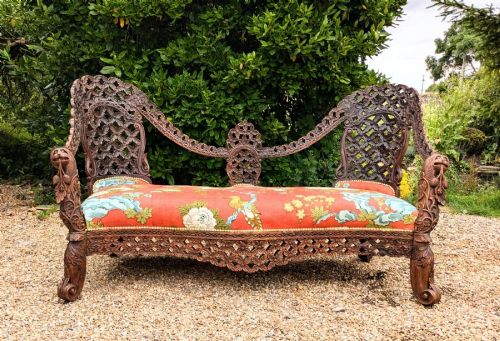
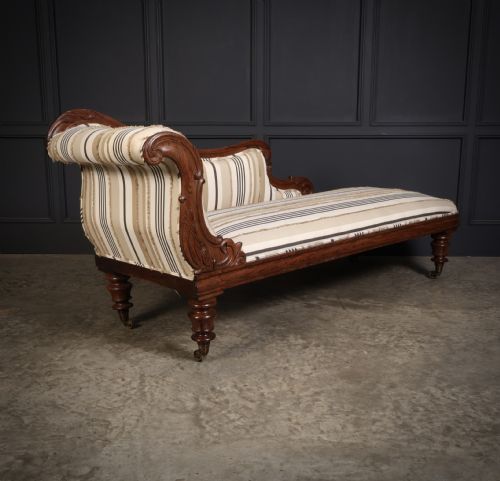
A dark wood daybed combines the function of a seat and a bed, drawing from periods such as the Regency and the nineteenth century. These pieces appear in forms ranging from chaise longues and window seats to carved sofas and four-poster beds.
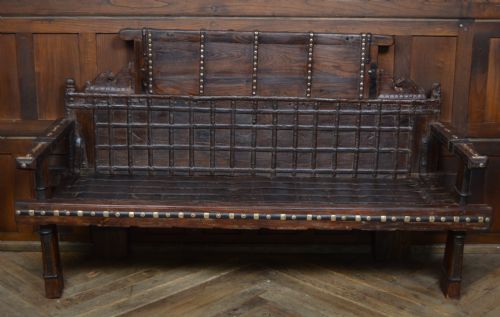
The materials and styles span diverse origins, including Anglo-Indian, Chinese, and Moorish influences alongside British designs. Buyers frequently encounter frames fashioned from dense hardwoods, rosewood, mahogany, and teak.
Object types on this page include daybeds, benches, and chaises longues, often fitted with cane seating or fabric upholstery. Each piece reflects the specific craftsmanship and regional timber choices of its era.
Materials and construction
Carpenters utilised dense timbers such as mahogany, rosewood, teak, and various hardwoods to construct robust frames capable of supporting daily use. These dark woods were frequently hand-carved with intricate detail, particularly in Anglo-Indian and Chinese workshops.
Cane seating and woven elements were incorporated into frames alongside traditional fabric upholstery and brass details. Joinery relied on time-tested woodworking techniques suited to heavy tropical and native hardwoods.
Dark Wood Daybed Retail Price Guide 2026
Typical asking prices for dark wood daybed among the pieces listed under this phrase on Sellingantiques today, from the lower quarter to the upper quarter. They describe what is for sale here now, not the wider market.
Listings feature nineteenth-century items alongside pieces dated to seventeen-fifty, nineteen-hundred, and nineteen-twenty.
Evaluating craftsmanship and condition
The standard of a piece depends on the depth and crispness of the hand-carving across the hardwood frame. Superior examples display thoughtful proportions and harmonious integration of decorative elements like brass fittings or turned bobbin work.
The integrity of the timber and the tightness of the joinery dictate the durability of the daybed. Surviving cane work and original upholstery webbing require careful assessment to determine how well the structure maintains its historical integrity.
The Dark Wood Daybed Glossary
- Cane
- Strips of rattan or similar plant material woven into a mesh pattern for seats or backrests. It provides a lightweight, flexible surface that contrasts with heavy wooden frames.
- Regency
- A British design period spanning the early nineteenth century known for classical motifs and elegance. Furniture from this time often mimics exotic woods or utilises rich rosewood.
- Bobbin
- A style of turned woodwork shaped to resemble spools or bobbins threaded together. This technique creates a textured, repetitive profile along the legs and stretchers of a daybed.
Dark Wood Daybed: Frequently Asked Questions
What is a dark wood daybed?
A dark wood daybed is a dual-purpose piece of furniture designed for both sitting and reclining, constructed from dense timbers like mahogany, rosewood, or teak.
These items range from nineteenth-century chaise longues to Chinese hardwood benches and Anglo-Indian sofas.
How were daybeds used historically?
Historically, daybeds served in parlours, bedrooms, and galleries for daytime resting, reading, or receiving visitors without retiring to a full bed.
They offered a comfortable intermediate seating option that combined the formality of a sofa with the length of a bed.
How do I clean a hardwood daybed?
Clean hardwood frames by dusting gently with a dry, soft cloth to remove surface particles without scratching the timber.
Avoid harsh chemical cleaners and moisture, applying appropriate furniture wax periodically to nourish the wood grain.
How can I tell a Regency daybed apart?
Regency daybeds often feature classical lines, simulated or solid rosewood surfaces, and scroll arms inspired by ancient Greek and Roman furniture.
They contrast with the ornate floral carvings of Anglo-Indian pieces or the clean rectilinear framing of Chinese daybeds.
Can I use a daybed for sleeping every night?
Antique daybeds were generally built for lounging or occasional rest rather than continuous night sleeping.
If utilised daily, ensure the cane or upholstered platform has adequate support to prevent sagging in the wooden frame.