
Hand Carved Figure
When you search for a hand carved figure, you look for sculptural work shaped entirely by hand from wood or organic materials.
Hand Carved Figure
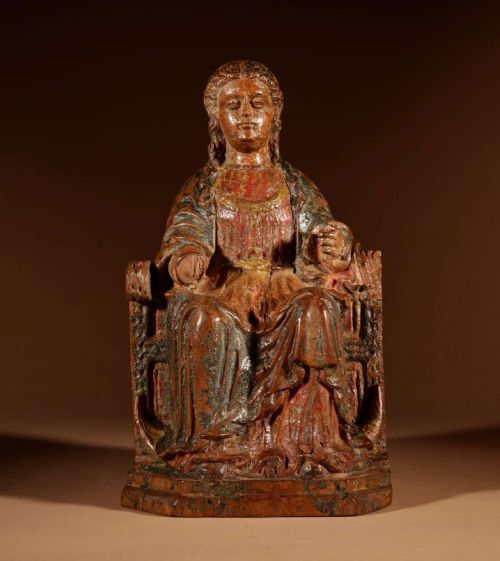
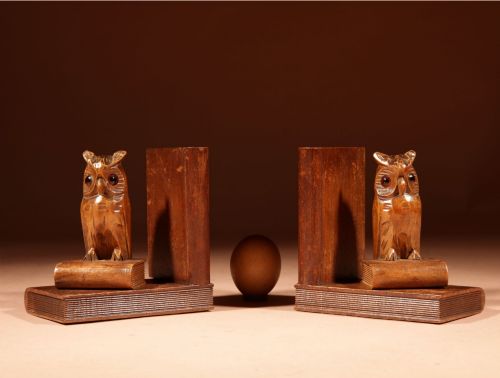
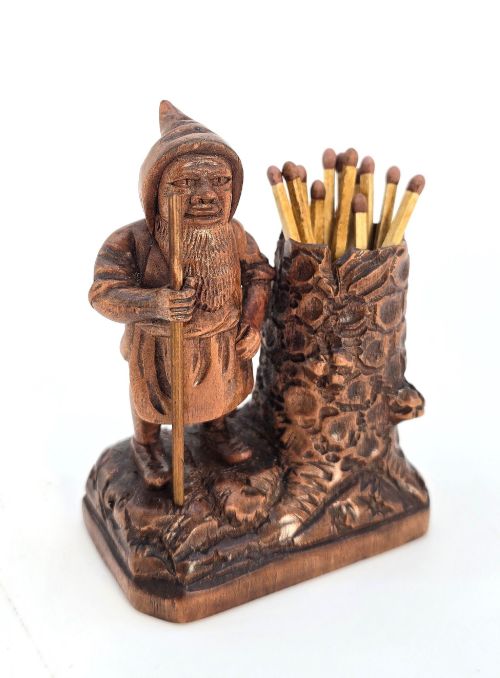
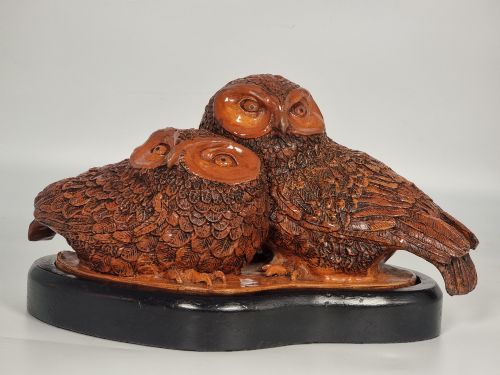
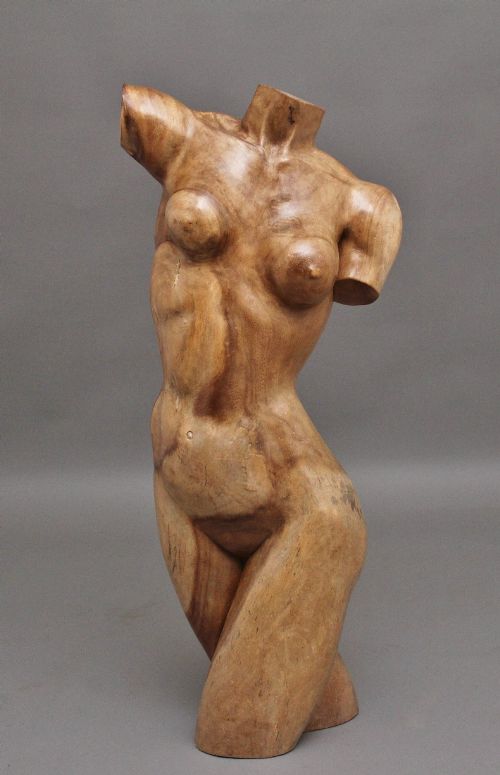
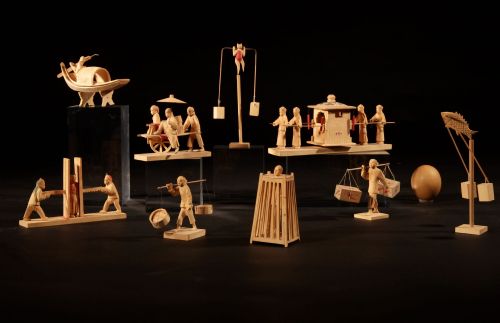
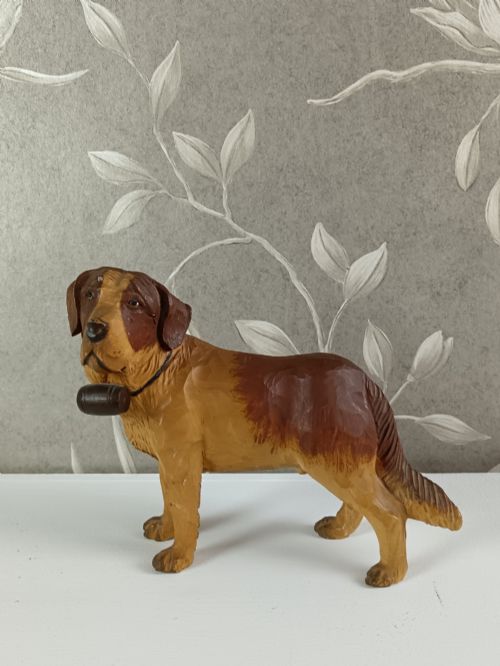
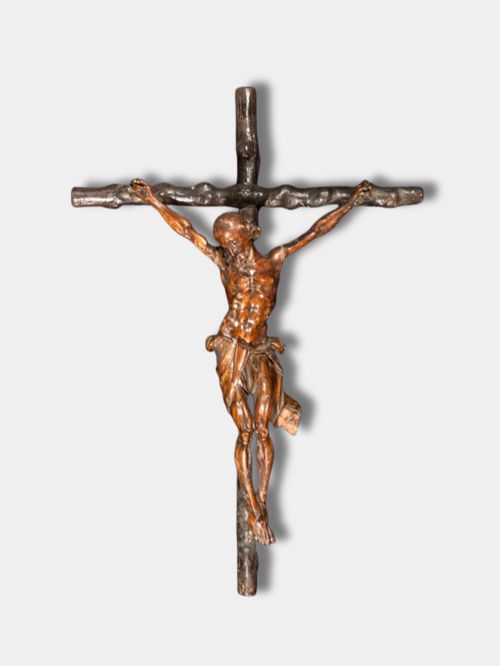
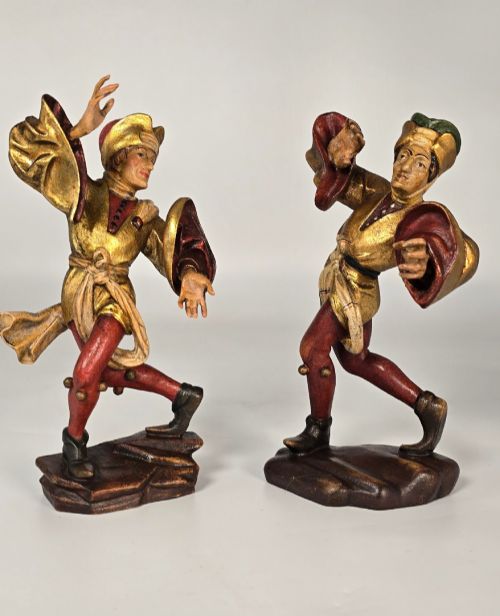
A hand carved figure encompasses sculptural works shaped from various woods, hardstones, and pottery, representing human, animal, and mythological subjects. These pieces range from devotional saints and religious figures to secular animals, bookends, and decorative sculptures.
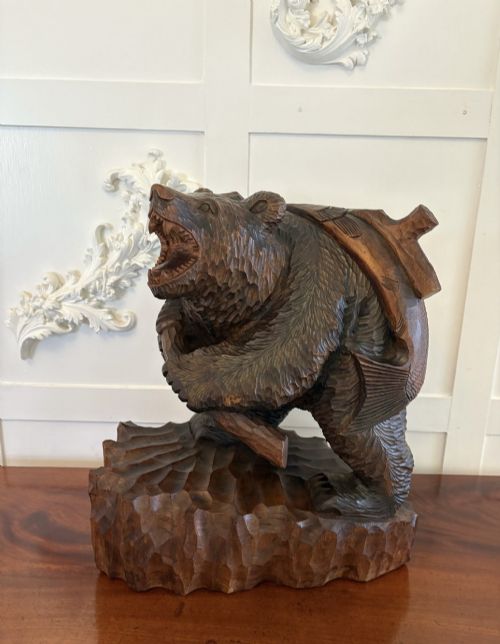
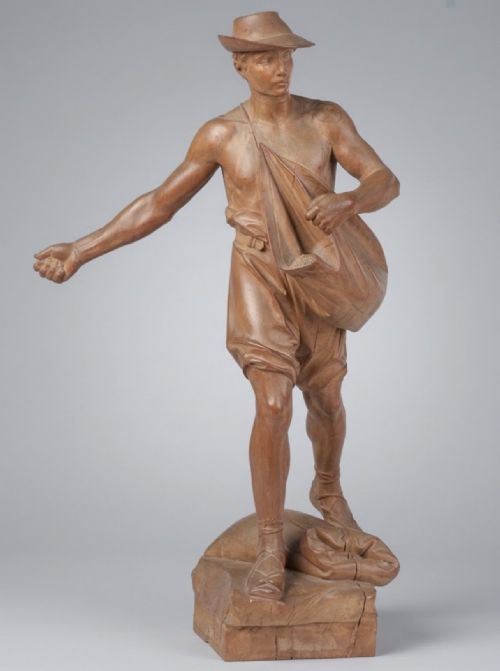
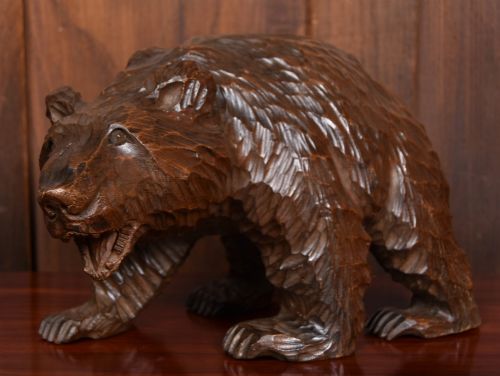
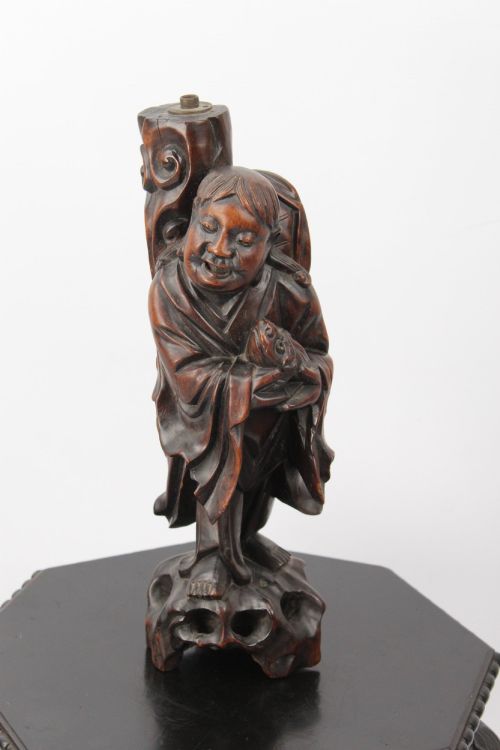
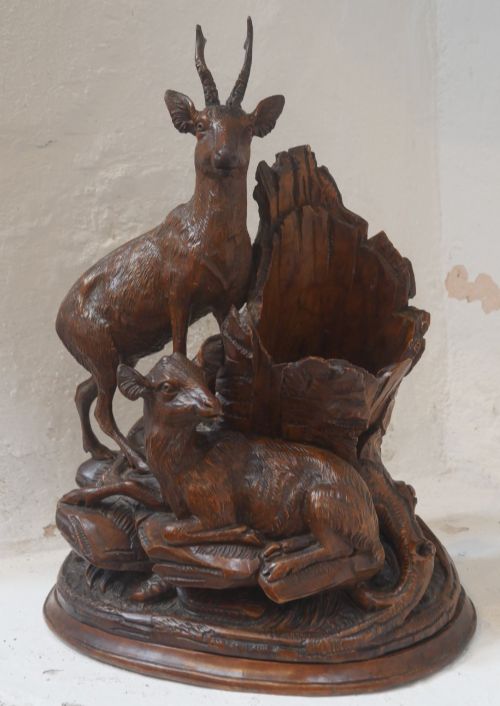
The selections available span multiple centuries, including 17th-century devotional carvings, 19th-century Black Forest animal groups, and early 20th-century folk art pieces. Buyers frequently encounter regional works such as Swiss Black Forest bears, Chinese scholar carvings, and European religious statues.
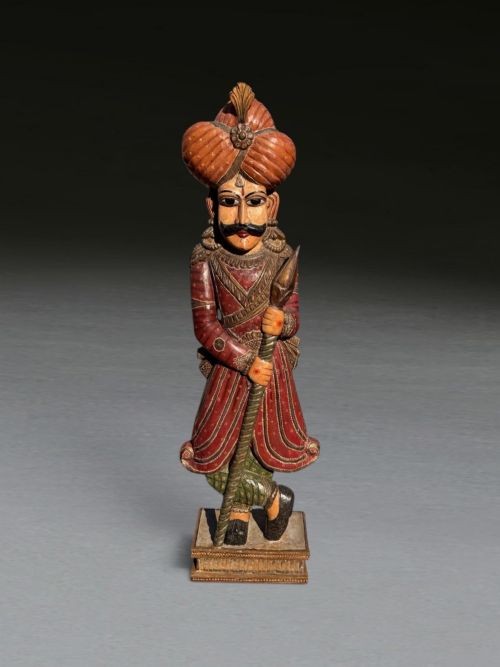
Origins vary widely across the selection, incorporating Anglo-Indian pieces, African tribal fertility figures, and Japanese folk art alongside traditional European craftsmanship. These items function as standalone decorative sculptures, practical bookends, or detailed inkwells.
How they were made
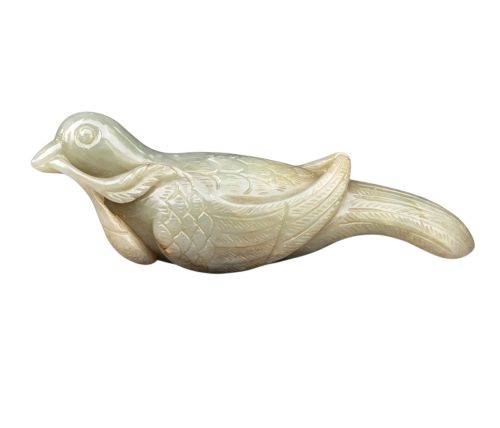
Craftsmen utilised various woods such as linden wood, limewood, oak, walnut, fruitwood, and ebony, shaping the material with specialised chisels and gouges. Hardstones like agate and jade also appear in specific Asian scholar carvings.
Surface finishes include original paint, lacquer, and polished bare timber, preserving the tool marks and natural grain of the medium. Many pieces incorporate subtle details like inset stud eyes or contrasting ebonised bases.
Listings feature woods such as linden wood, walnut, oak, and fruitwood alongside hardstone and pottery.
What varies in quality
Execution of detail separates basic regional souvenirs from masterworks, evident in the anatomical accuracy of animals, facial expressions of saints, and depth of undercut foliage. The crispness of the chisel work determines the overall vitality of the carved form.
Originality of surface finish and the preservation of the timber integrity heavily influence the character of each sculpture. Patina accumulated through age enhances the visual depth of historical pieces.
The Hand Carved Figure Glossary
- Black Forest
- A style of wood carving originating from the Swiss and German border regions, typically depicting local fauna such as bears, owls, and deer in detailed realism.
- Corpus Christi
- A sculptural representation of the body of Jesus Christ on the cross, frequently carved from limewood, fruitwood, or oak in historical European workshops.
- Linden wood
- A pale, fine-grained timber frequently utilised by carvers for its uniform texture, which allows for intricate detailing without splintering.
- Folk art
- Objects created by self-taught or traditional artisans, often displaying a naive or primitive aesthetic distinct from academic studio sculpture.
- Polychrome
- Painted in several colours, a technique applied to wooden sculptures to enhance realism on garments, skin, and religious vestments.
Hand Carved Figure: Frequently Asked Questions
How do I date a wooden carving?
Dating relies on tool marks, timber shrinkage, style of dress, and the presence of original finishes or polish. Examining the base and hidden areas reveals the age of the wood.
Historical styles and regional carving traditions further narrow down the decade or century of production.
How were Black Forest carvings used?
Black Forest carvings served both decorative and functional purposes in Victorian and Edwardian interiors. Common household items included bookends, inkwells, and nutcrackers shaped as animals.
Artisans combined realistic animal studies with everyday utility to appeal to tourists and collectors.
How should I care for antique wood?
Maintain stable humidity levels and keep wooden sculptures away from direct sunlight and heat sources to prevent cracking. Dust gently with a dry, soft brush.
Avoid applying modern polishes or oils, as these can accumulate and damage the original antique patina.
What is folk art sculpture?
Folk art sculpture refers to utilitarian or decorative pieces made outside academic traditions by regional makers. These objects prioritise expressive form and local materials over strict proportion.
Examples include naive painted horses, decoys, and primitive figures reflecting daily life.