
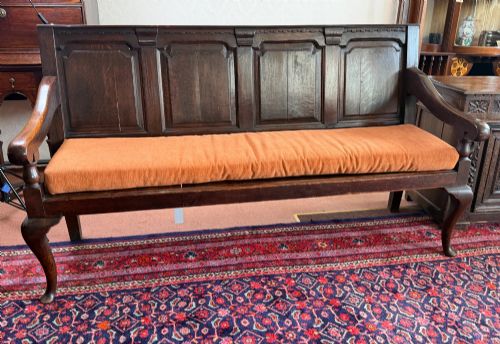
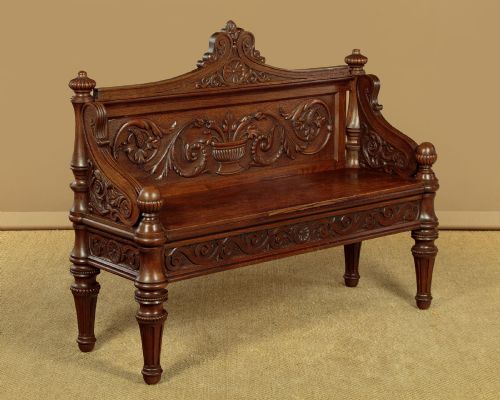
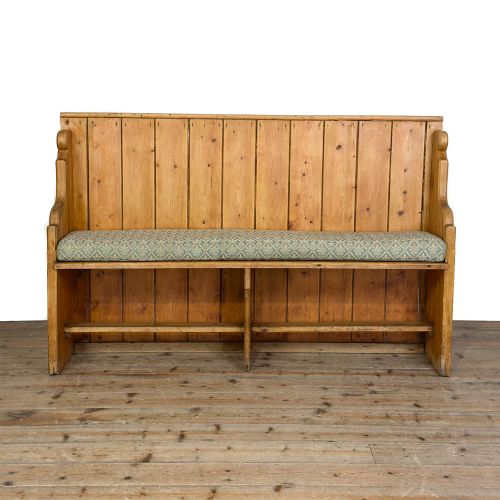
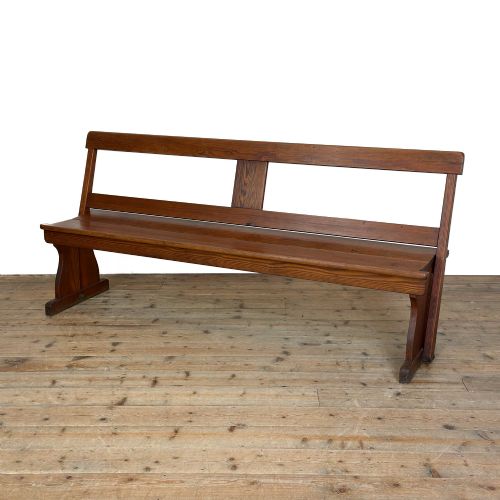
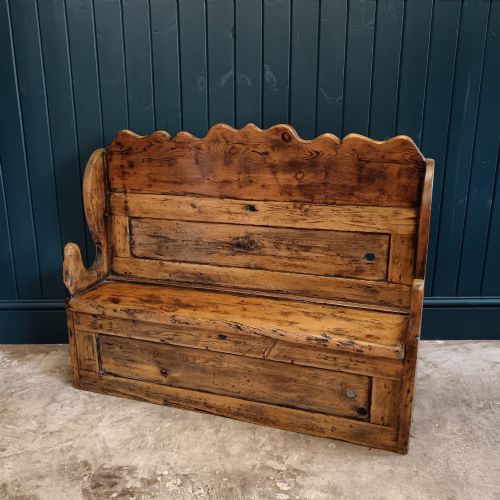
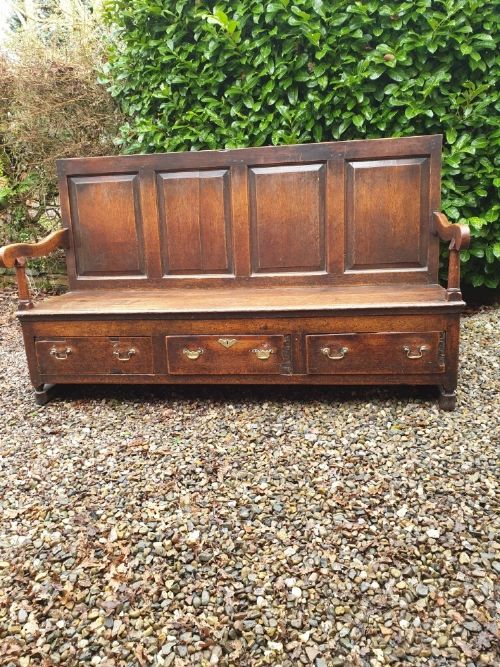
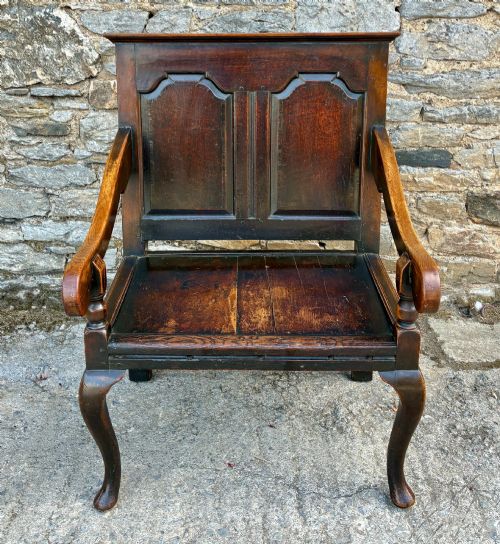
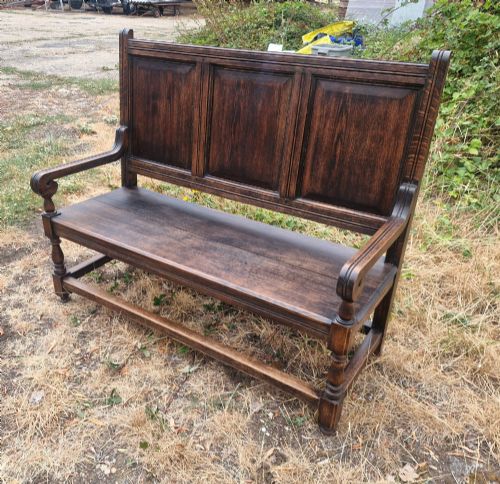
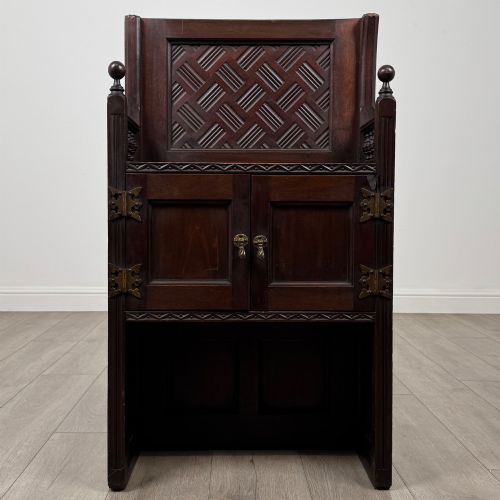
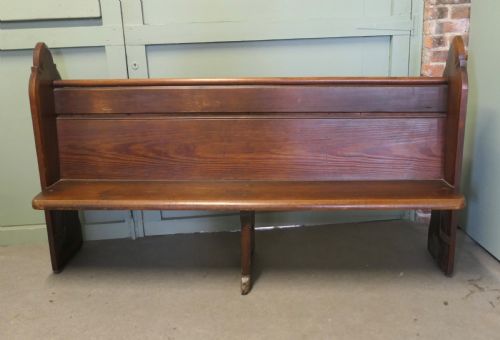
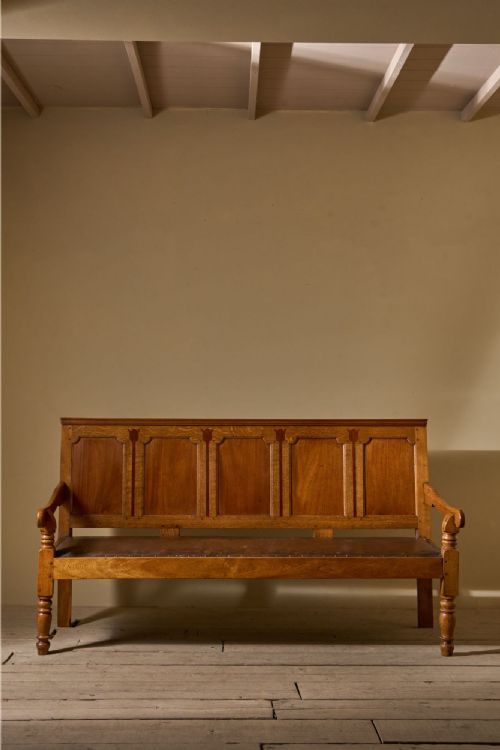
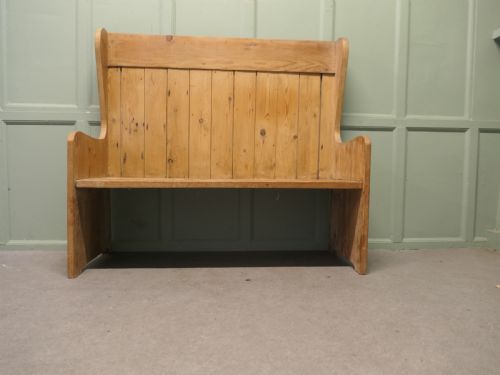
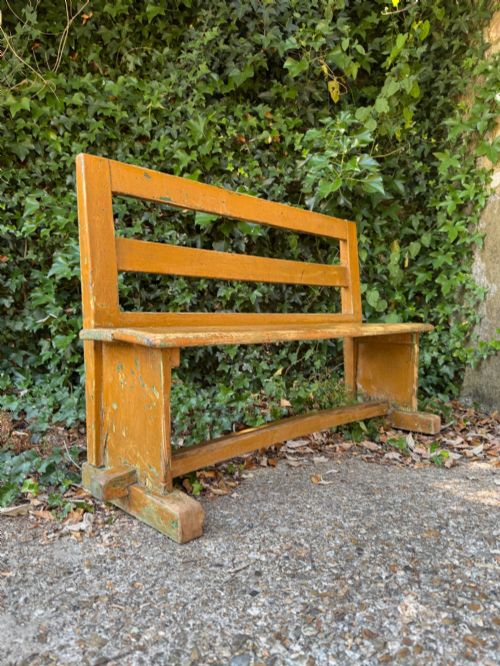
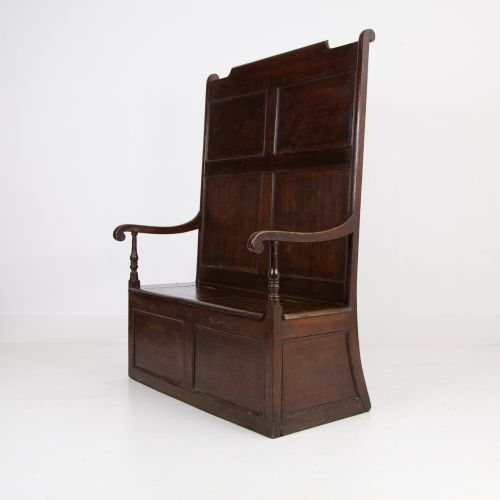
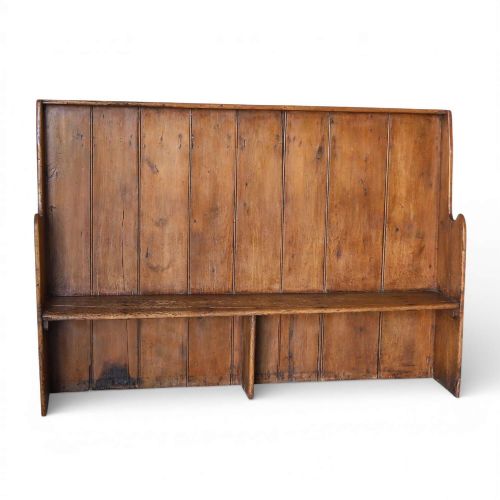
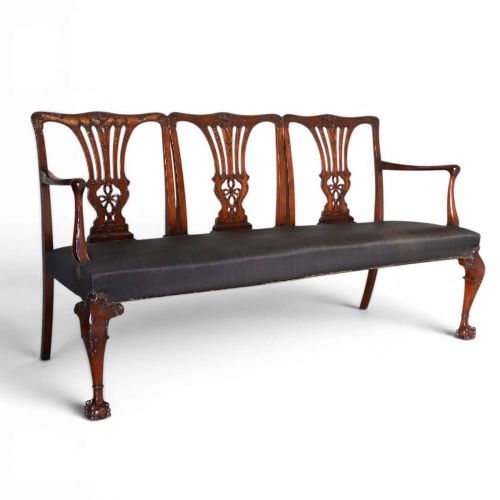
Hallway Bench with Back
A hallway bench with back provides a sturdy seat and high backrest, combining practical entrance storage with traditional seating.
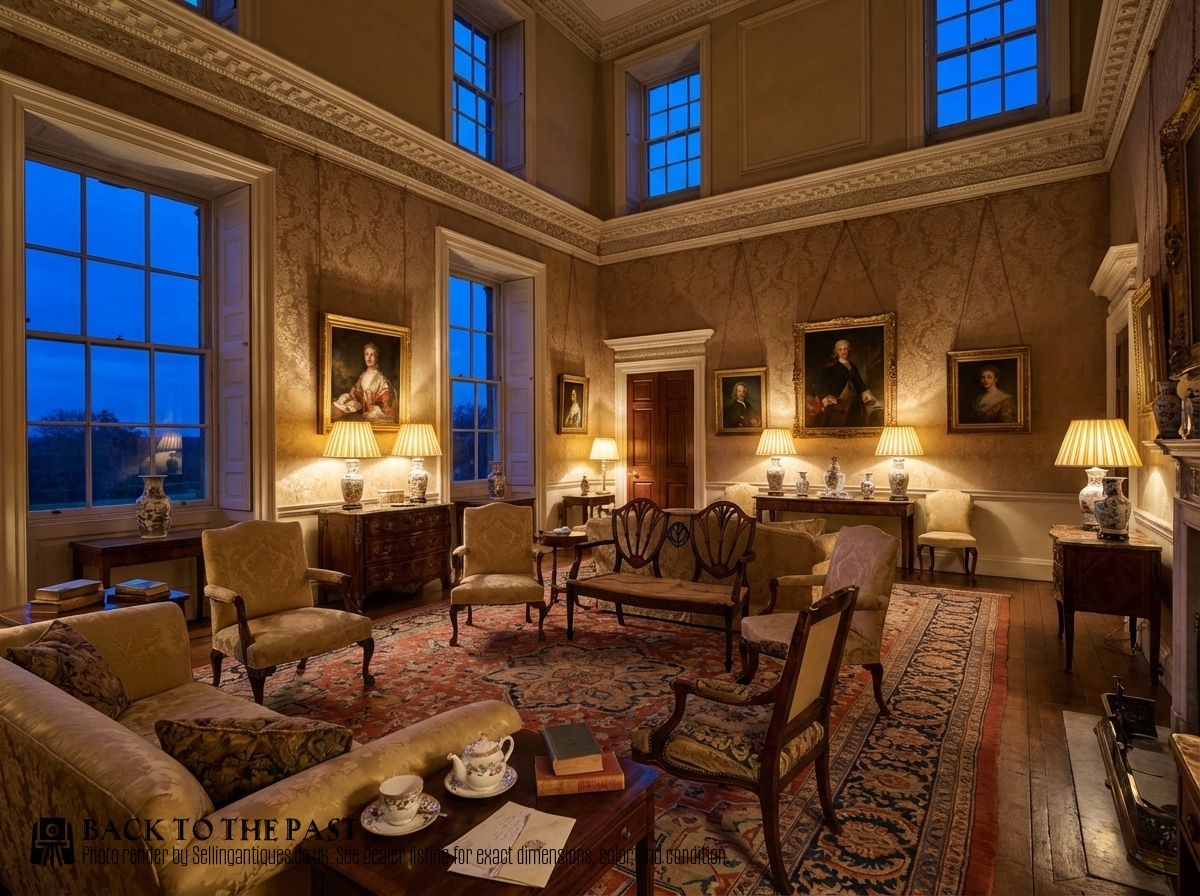
Hallway Bench with Back
A hallway bench with back spans multiple centuries, incorporating forms such as church pews, settles, box settles, and high-back settles alongside chair-back settees and hallway seats.
The pieces appearing on this page originate from periods including the 17th century, 18th century, Georgian era, 19th century, Victorian period, and Edwardian era.
Regional and stylistic variations include English Country, Rustic Farmhouse, Arts and Crafts, European Country, and revival styles such as Edwardian Chippendale and Hepplewhite.
Materials and construction methods
Carpenters utilised solid timbers like oak, pine, pitch pine, elm, and mahogany to build these back-rested benches, frequently employing box compartments for integrated storage beneath the seat.
Surface finishes include waxed patinas, honey brown patinas, and original painted finishes, while select examples incorporate decorative elements like carved details or tulip ornamentation.
Upholstered variants integrate fabric or leather across wing back designs and seat cushions, supported by frames constructed from iron and wood.
Listings on this site feature timbers including pine, oak, elm, and mahogany, spanning periods from the seventeenth century through to the Edwardian era.
Understanding quality and construction
The integrity of timber preservation and the retention of original finishes, such as early painted surfaces or natural waxed patinas, dictate the character of an individual piece.
Construction methods range from straightforward vernacular carpentry in regional pine and elm settles to sophisticated joinery and carved ornamentation found in earlier oak or revival mahogany forms.
The Hallway Bench with Back Glossary
- Settle
- A wooden bench with a high back, solid arms, and often a box compartment beneath the seat for storage. This form kept drafts away from occupants in older hallways and hearths.
- Box Settle
- A settle featuring a hinged seat opening to an enclosed storage space underneath. These utilitarian pieces served dual purposes in domestic entryways.
- Church Pew
- A long wooden bench originally designed for ecclesiastical interiors, adapted in domestic settings for hallways. Versions range from plain pine to Arts and Crafts designs.
- Patina
- The surface sheen and coloration developed through years of handling, waxing, and ageing on wood. A desirable patina shows genuine historic wear.
- Chippendale Revival
- A decorative style inspired by 18th-century cabinetmaker Thomas Chippendale, seen here in Edwardian mahogany chair-back settees.
Hallway Bench with Back: Frequently Asked Questions
How do I use a hallway bench?
These pieces provide a convenient seat when putting on shoes and boots near an entrance. Many variants include built-in storage boxes beneath the seat for keeping hallway clutter out of sight.
The high backrest protects against drafts in an unheated hallway while offering a substantial architectural presence. They function well against a blank wall as both a seat and a display surface.
What is a box settle?
A box settle is a wooden bench with a high back, solid arms, and a compartment beneath the seat accessed by lifting the lid. This enclosed space provided secure storage for household goods in traditional homes.
They appear in pine and oak across various periods, combining seating with practical daily storage for entryways.
How old is my wooden bench?
Dating relies on timber species, construction joints, tool marks, and stylistic indicators. Earlier examples from the seventeenth and eighteenth centuries typically employ heavy oak construction with pegged joints.
Nineteenth-century pieces frequently utilise pine, pitch pine, or elm with simpler mechanical fastenings. Revival pieces incorporate historical motifs from earlier centuries while utilising later manufacturing techniques.
Are these benches comfortable?
Wooden settles and pews provide upright, firm seating with high wooden backrests designed for utility and posture. Some models include upholstered seats or wing back designs covered in fabric or leather for added cushioning.
Adding a loose seat cushion allows you to adjust the comfort level of plain wooden benches without altering the historic frame.