
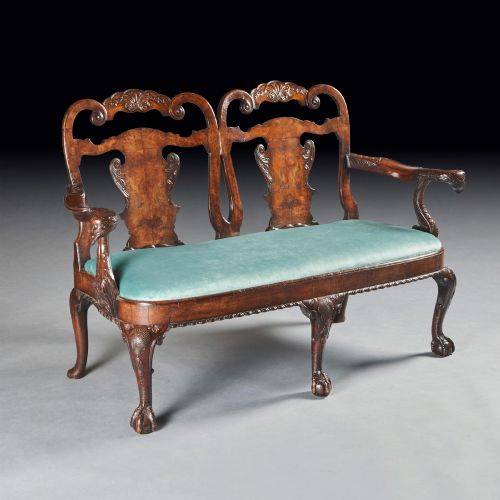


Late 19th Century Settee
A late 19th century settee brings period seating into a room with historic presence and varied revival styling.
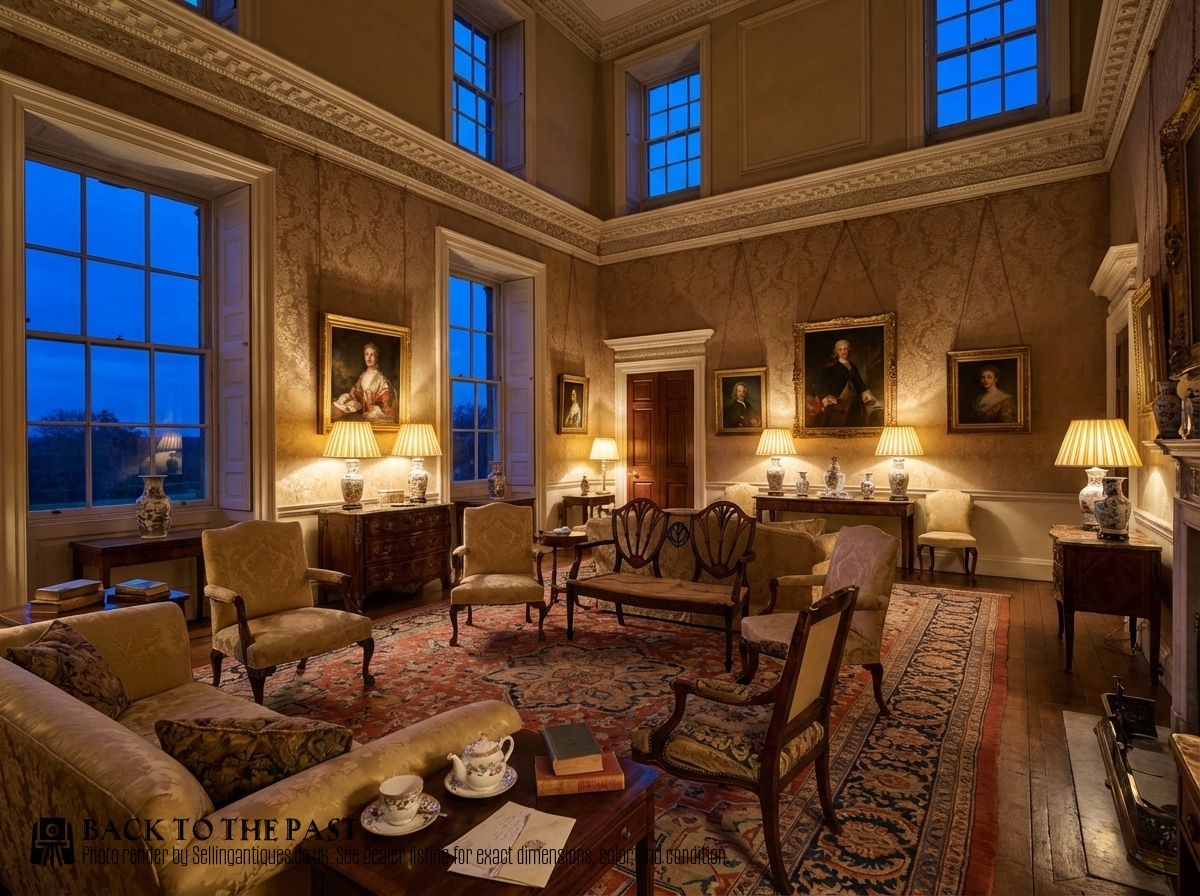
Late 19th Century Settee
A late 19th century settee encompasses a broad array of Victorian and revival seating forms designed for parlours, halls, and salons. Buyers searching this phrase encounter everything from upholstered Chesterfields and Knole settees to carved oak settles and walnut chair-back designs.
The material palette recorded across these pieces reflects both domestic timbers and imported hardwoods, alongside varied textile coverings. Walnut, mahogany, oak, and rosewood appear frequently alongside painted finishes and giltwood frames.
Revival styles dominate the selection, showing distinct nods to earlier Georgian, Chippendale, Hepplewhite, and Louis aesthetics. These historicist interpretations sit alongside simpler vernacular forms like hall benches and window seats.
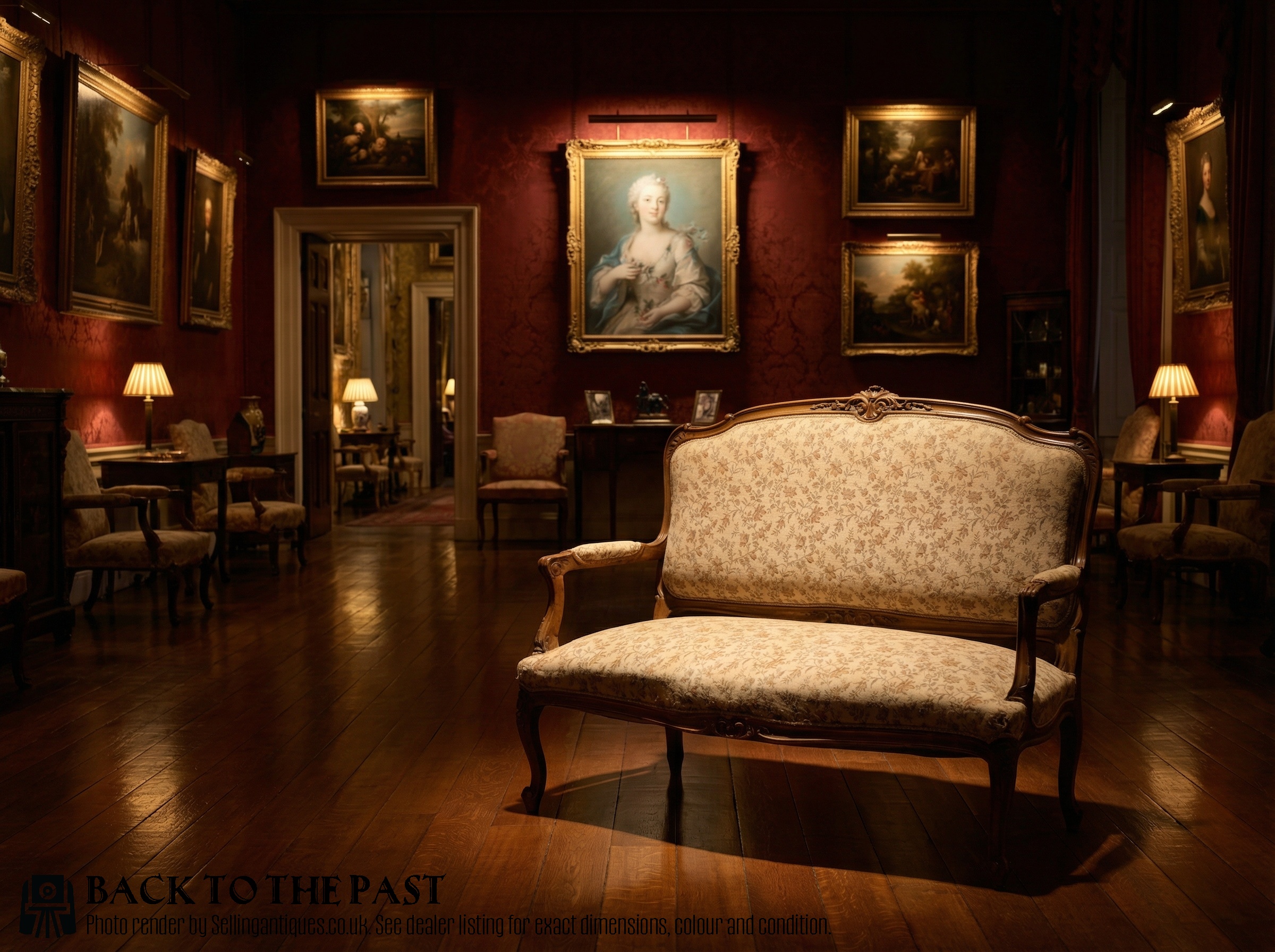
Materials and construction
Makers utilised solid timbers such as mahogany, walnut, and oak to build robust structural frames, often embellishing them with intricate carving or decorative inlay. Softer woods like birch also receive painted or decorated finishes.
Upholstery techniques involved traditional stuffing and springing finished in fabrics like velvet, damask, or simpler hessian foundations. Showframe settees exposed polished wooden rails around plush padded seats and backs.
Revival aesthetics heavily represent the period, referencing Sheraton, Chippendale, Hepplewhite, and Louis styles.
Assessing quality and execution
The standard of carving and the crispness of revival detail distinguish standard production from exceptional pieces. Finely figured timbers like burr birch or satinwood elevate certain suites above simpler painted or standard walnut frames.
The integrity of the underlying frame construction and the fidelity of historical revival styles dictate the overall standing of an individual settee. Original showframes and documented maker attributions command particular attention.
Butlers of Dublin·John Tesch
The Late 19th Century Settee Glossary
- Chesterfield sofa
- A deep-buttoned upholstered sofa traditionally featuring arms and back of the same height. This form offers robust seating with classic Victorian presence.
- Knole settee
- An early style revival sofa featuring adjustable or hinged high arms tied with cords. It provides an imposing historic silhouette.
- Canapé
- A decorative French-style upholstered sofa with an exposed wooden frame. These pieces often showcase carved walnut or giltwood structures.
- Showframe
- A wooden sofa frame where significant portions of the polished or carved timber remain visible around the upholstered elements. It highlights the craftsmanship of the maker.
- Settle
- A wooden bench with high back and solid arms, often incorporating panelled construction. This form developed from earlier vernacular domestic seating.
Late 19th Century Settee: Frequently Asked Questions
What styles are common in a late 19th century settee?
Revival designs heavily influence this era, drawing inspiration from Georgian, Chippendale, Hepplewhite, and Louis XV aesthetics. Makers also produced distinct Victorian forms including Gothic Revival and Chinoiserie.
These historicist approaches sit alongside comfortable upholstered Chesterfields and Knole settees designed for formal drawing rooms.
Where were these settees placed originally?
Grand reception rooms, formal parlours, and drawing rooms accommodated elaborate salon sofas and giltwood showframes. Smaller hall benches and oak settles served transitional spaces like hallways and entranceways.
Window seats and ottoman couches offered specialised seating for specific architectural alcoves within larger Victorian homes.
How do I care for antique upholstery and wood?
Wooden frames require gentle dusting and occasional waxing depending on the finish, whether polished walnut, painted satinwood, or giltwood. Upholstered surfaces benefit from careful vacuuming using low suction attachments.
Protecting delicate textiles like velvet and silk from direct sunlight prevents fading and preserves the integrity of the fabric.
Are these settees suitable for daily use?
Many upholstered versions provide generous seating depth and sturdy interior framing suitable for regular domestic living. Solid wood benches and hall seats offer durable alternative seating for occasional use.
Assessing the internal webbing and spring support helps determine how well a particular piece handles everyday sitting.