
Hallmarked Sterling Silver
Hallmarked sterling silver brings together centuries of British assay office marks, functional domestic items and careful craftsmanship.
Hallmarked Sterling Silver
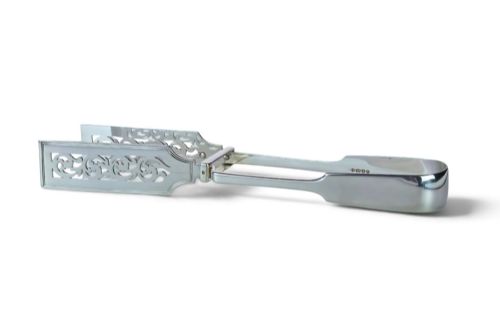
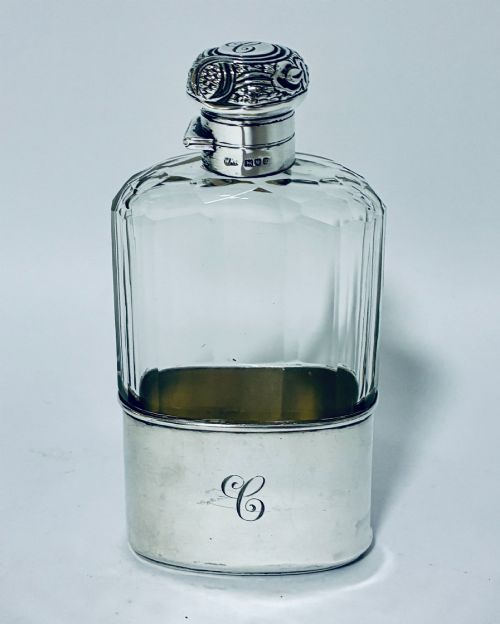
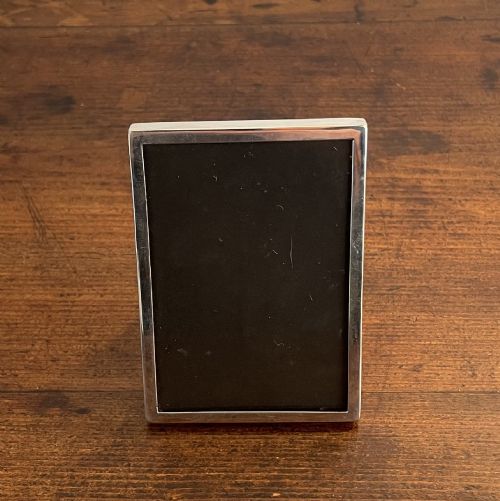
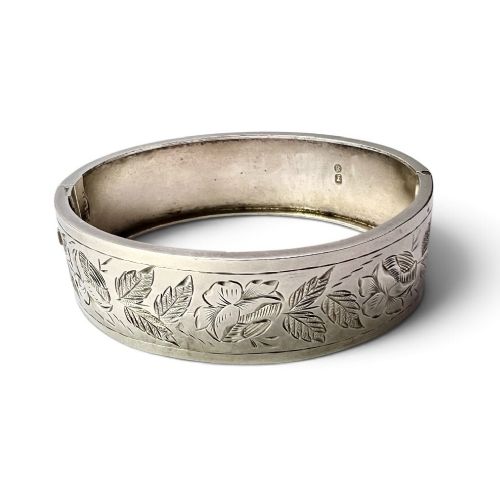
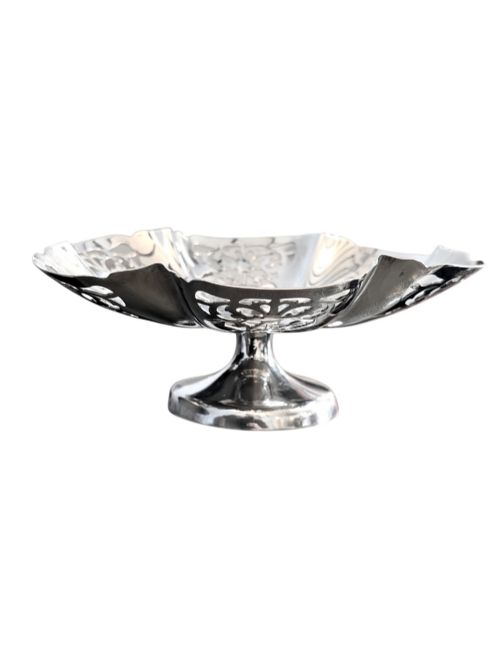
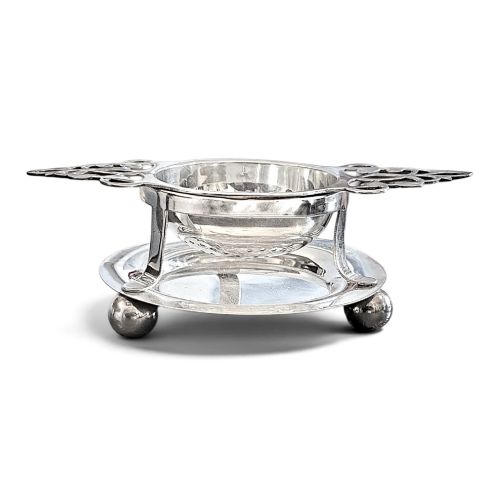
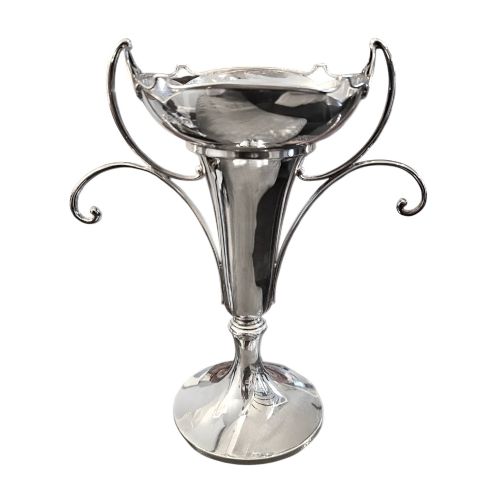
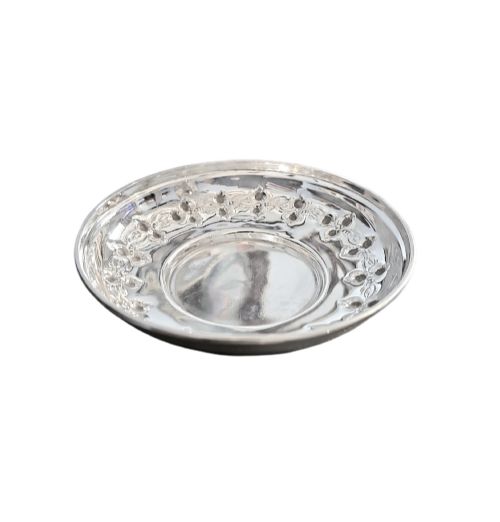
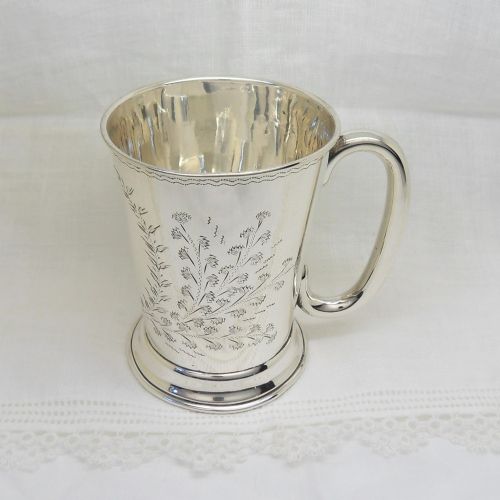
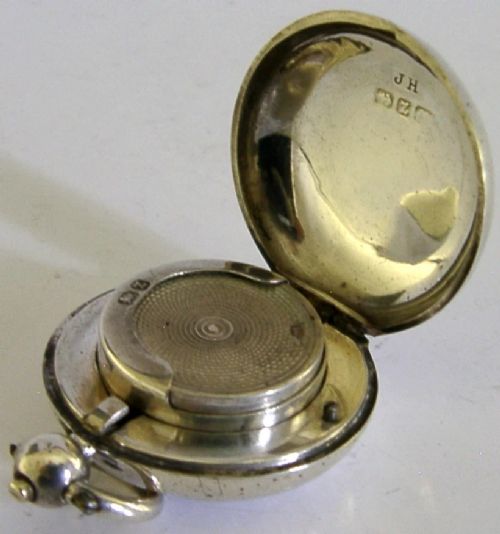
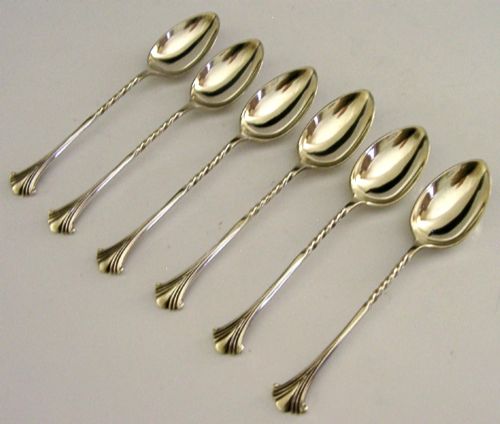
When searching for hallmarked sterling silver, buyers encounter an array of functional and decorative items spanning the Georgian, Victorian, Edwardian and mid-century periods. The selection includes tableware such as basting spoons, sugar bowls, mustard pots and tea caddy spoons alongside personal accessories like vesta cases, scent bottles, chatelaines and watch chains.
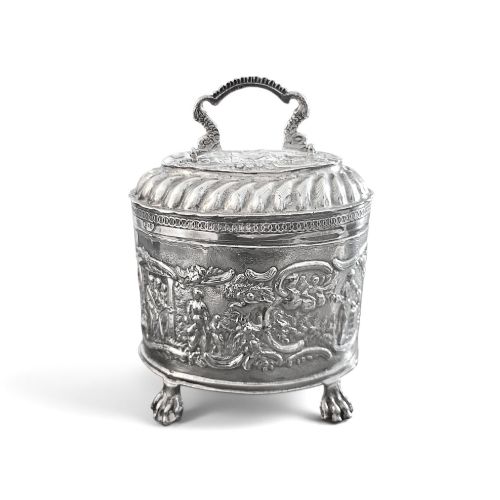
The objects on this page range from heavy serving pieces and lidded boxes to novelty items fashioned into hands, animals and walking stick handles. Makers combined silver with glass, wood, leather and enamel, producing items intended for daily dining, grooming and adornment.
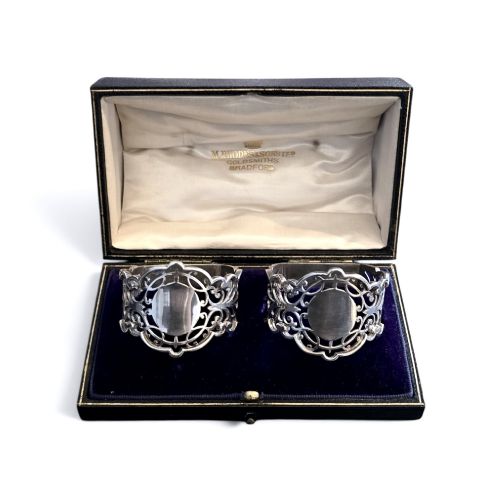
Pieces from the nineteenth and early twentieth centuries dominate the selection, showing assay marks from London, Birmingham, Chester and Sheffield. Buyers find both simple domestic utensils and elaborate cased presentation items reflecting the prevailing tastes of their respective decades.
How they were made
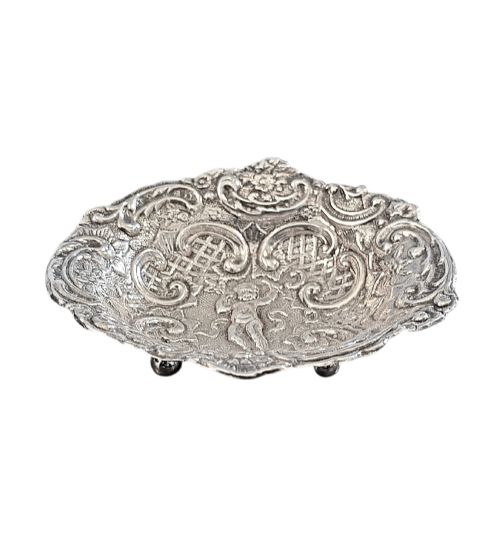
Silversmiths shaped sterling silver through hammering, spinning and casting, frequently employing planishing hammers to create textured surfaces on bowls and quaichs. Details such as repoussé figures, fluting and bright-cut engraving were applied by hand to surfaces before submission to the assay office.
Items combining silver with other materials utilised specialised joinery and mounts, securing glass liners in mustard pots, mounting amethyst glass in scent bottles and fitting velvet or satin linings inside trinket boxes. Hinges on vesta cases and pill boxes were carefully fitted to ensure flush closures.
Each finished piece received strike marks from the maker and punches from the local assay office to guarantee the standard of the metal.
What varies in quality
The quality of hallmarked sterling silver depends upon the weight of the metal and the precision of the smith's handwork. Thicker gauge silver resists dents and maintains crispness in engraved details across decades of use.
Superior pieces display well-defined assay marks, balanced proportions and clean integration with secondary materials like glass inserts or mother-of-pearl panels. Novelty forms and cast elements show greater definition and sculptural care in higher-grade examples.
Kendal & Dent·R E Stone·Harrods Ltd·Rosenthal Jacob & Co·Nathan & Hayes·Martin Hall & Co·Geoffrey Bellam·Aaron Lufkin Dennison·Alfred Marston·Levi & Salaman·Howard James·EV Pledge & Son·Horton & Allday·Henry George Murphy·Edward Barnard Bros·Peter William Bateman·Edward & Sons·William & James Priest·Dunhill·Nathaniel Mills·Charles Fox·Mappin & Webb·Mordan
The Hallmarked Sterling Silver Glossary
- Hallmark
- A series of official marks stamped on precious metals to indicate standard of purity, maker and assay office. These marks allow collectors to date items accurately.
- Vesta case
- A small pocket container designed to hold matches and strike them on a serrated base. Victorian examples often featured spring-loaded lids.
- Quaich
- A traditional two-handled drinking vessel of Scottish origin. Examples appear in silver with flat round bowls.
- Planishing
- A hammering technique used to smooth and finish metal surfaces while leaving subtle facet patterns. This method hardens the silver.
- Caddy spoon
- A short-handled spoon specifically designed for measuring loose tea leaves. They frequently take imaginative novelty shapes.
Hallmarked Sterling Silver: Frequently Asked Questions
How do I read silver hallmarks?
Assay office marks, date letters and maker's marks are stamped directly into the metal. Reference guides match these symbols to specific towns and years of production.
Finding the lion passant confirms the sterling silver standard, while accompanying duty marks or town symbols narrow down the exact decade.
What is the difference between silver and sterling silver?
Sterling silver contains 92.5 percent pure silver combined with other metals, usually copper, to add structural durability. Pure silver is too soft for practical items.
Items bearing full hallmarks meet this precise legal standard of purity established by assay offices.
How should I clean antique silver?
Wash pieces gently in warm water using a mild soap and a soft cloth to remove surface grime. Avoid abrasive dips that strip away natural patination.
Store silver items in tarnish-resistant cloths or dry environments away from direct sunlight and rubber materials.
Were novelty silver items meant to be used?
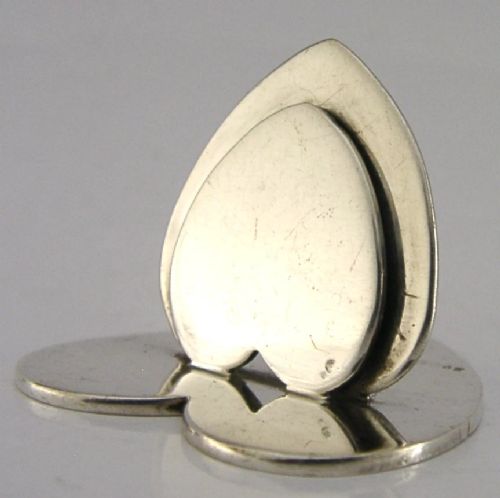
Many novelty pieces, such as animal menu holders and miniature vesta cases, served practical functions at dining tables or in pockets. Makers combined humour with utility to appeal to wealthy Victorian buyers.
While functional, these items were also conversation pieces displayed during social gatherings.