




Hallmarked Sterling Silver Jug
A hallmarked sterling silver jug carries the weight of history in its metal, offering practical grace for the table.
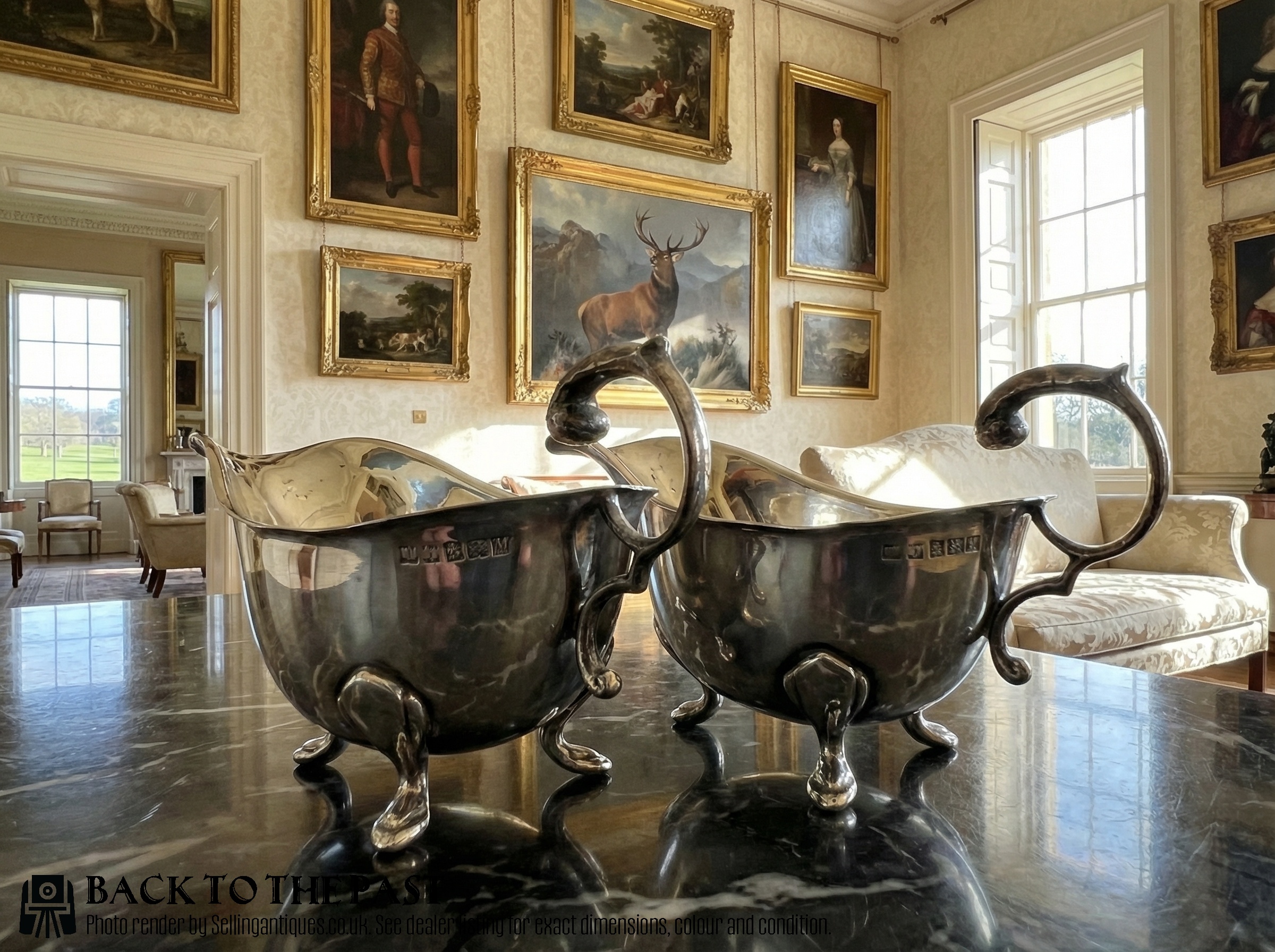
Hallmarked Sterling Silver Jug
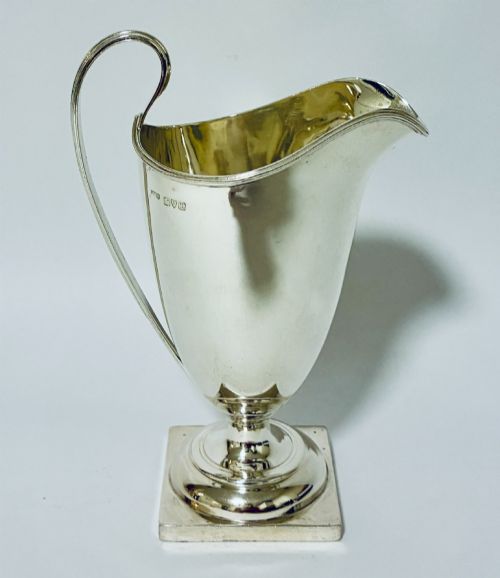
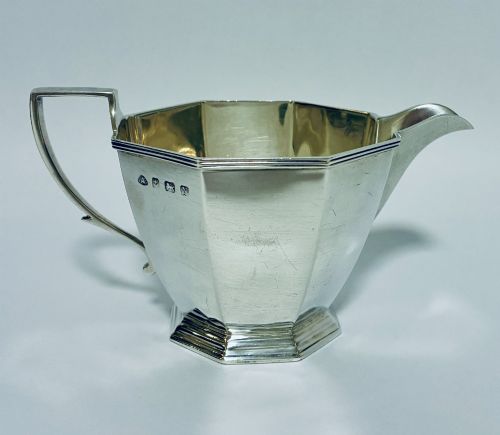
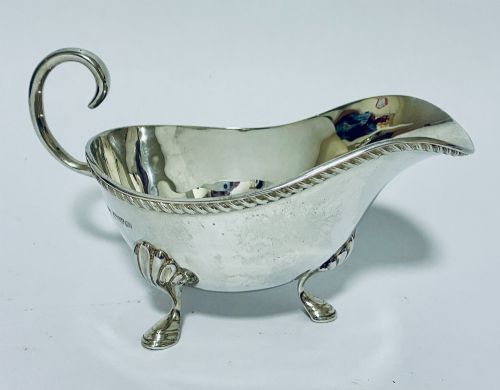
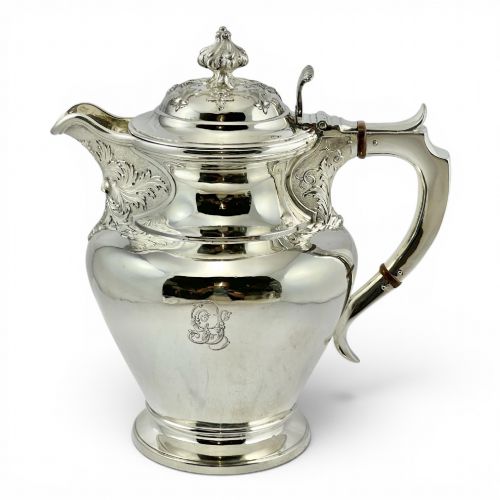
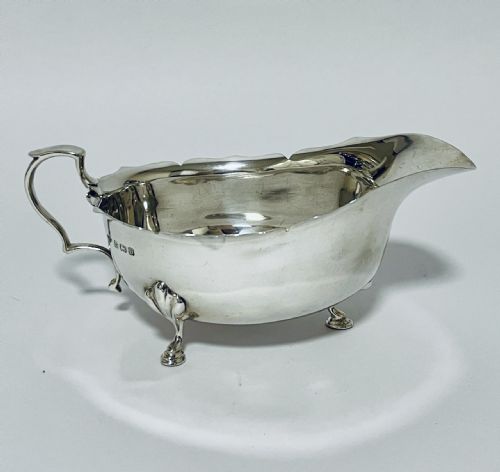
A hallmarked sterling silver jug spans a multitude of practical forms, from sauce boats and cream jugs to claret jugs and coffee pots. You meet pieces originating from Georgian, Victorian, Edwardian, and Art Deco periods, each reflecting the design sensibilities of its time.
Cream jugs and sauce boats appear frequently alongside larger water jugs, decanters, and tea services. The selection ranges from compact noggins to substantial table vessels incorporating glass and wood elements.
Materials and technique
Silversmiths shaped solid sterling silver through hammering, casting, and soldering, frequently pairing the metal with cut glass bodies, wooden handles, or leather details. Hallmarks stamped directly into the silver record the assay office, date letter, and maker mark.
Hinged lids, scroll handles, and lion and shield finials demonstrate specialised metalworking techniques used to assemble functional pouring vessels.
Some Victorian claret jugs feature miniature lions guarding the lids.
Quality differences
The standard of a hallmarked sterling silver jug depends on the crispness of its chasing, the weight of the metal, and the integrity of any mounted glass or wooden components. Pieces by recorded makers often display superior definition in handles, lips, and finials.
The clarity and depth of the hallmarks themselves, along with balanced proportions and secure hinges on lidded vessels, distinguish finer examples from standard production items.
JOHN RAWLINGS·GEORGE UNITE·Robert Pringle and Sons·Joseph Craddock·Benjamin Smith·WALKER AND HALL·Harry Atkin
The Hallmarked Sterling Silver Jug Glossary
- Hallmark
- Official stamps struck into precious metals to guarantee purity and origin. These marks typically include the maker, assay office, and date letter.
- Sauce boat
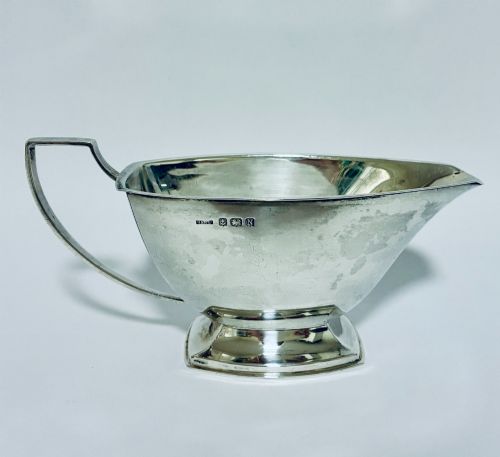
- An open vessel with a lip and handle designed for serving gravies or sauces at the table. They often stand upon three small feet.
- Claret jug
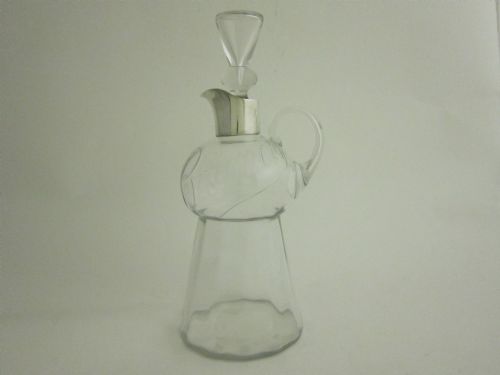
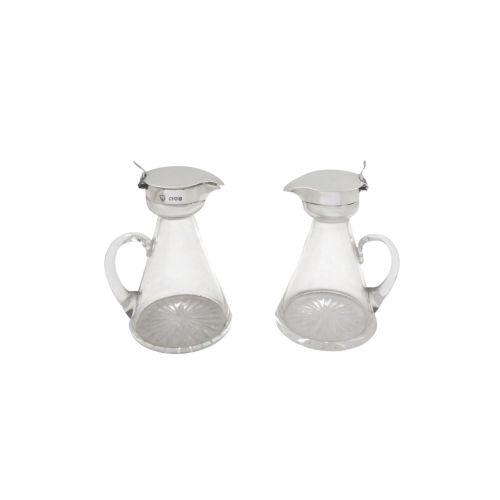
- A tall pouring vessel specifically intended for wine, featuring a glass body mounted with a silver handle, collar, and hinged lid.
- Noggin
- A small mug or vessel used for measuring and serving spirits like whisky. They frequently incorporate glass bodies with silver rims and handles.
Hallmarked Sterling Silver Jug: Frequently Asked Questions
How do I date a silver jug?
You date a hallmarked sterling silver jug by locating the stamped assay office mark and the corresponding date letter within the official hallmarks.
Reference tables match these specific letter shapes and shield outlines to exact years of production.
What is the difference between a cream jug and a milk jug?
Cream jugs are generally smaller vessels intended to hold rich cream for tea or coffee service. Milk jugs provide a larger capacity for everyday use at the table.
Both forms appear across Georgian and Victorian periods in matching tea sets.
Can I use an antique silver jug for serving drinks?
Solid sterling silver vessels remain entirely functional for serving water, wine, or cream. Regular use requires careful hand washing with mild soap to preserve the finish.
Avoid abrasive cleaners that wear down historical hallmarks and delicate surface details.
Why do some glass jugs have silver mounts?
Silversmiths mounted collars, lips, and handles onto cut glass bodies to create decorative claret jugs and decanters. The combination of clear glass and polished metal became particularly popular during the Victorian and Edwardian eras.
These mounts provided structural stability while adding ornamental handles and secure pouring lips.