
Hallmarked Silver Tableware
These pieces of hallmarked silver tableware combine functional dining utility with the enduring craftsmanship of British silversmiths.
Hallmarked Silver Tableware
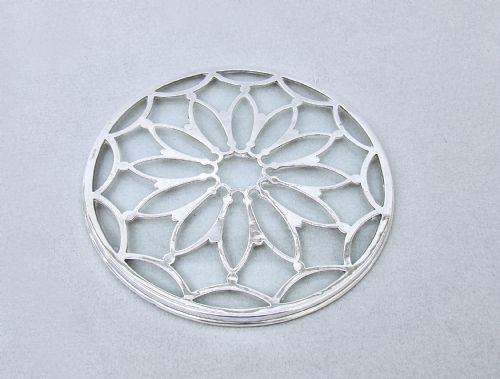
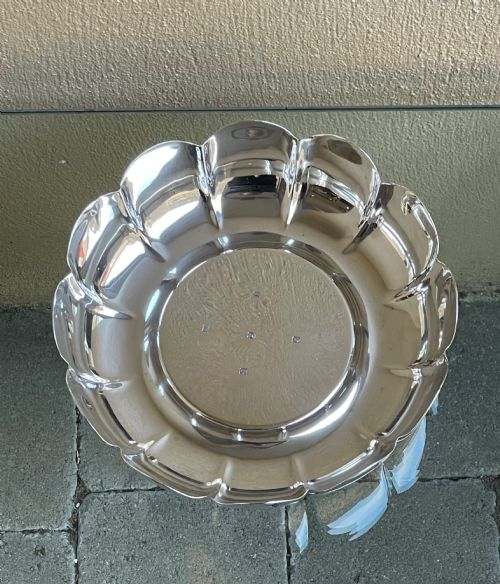
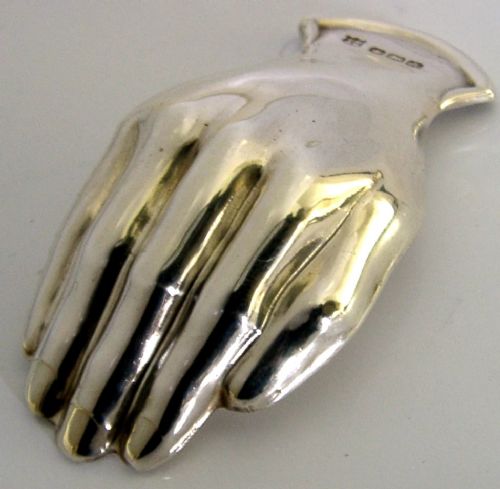
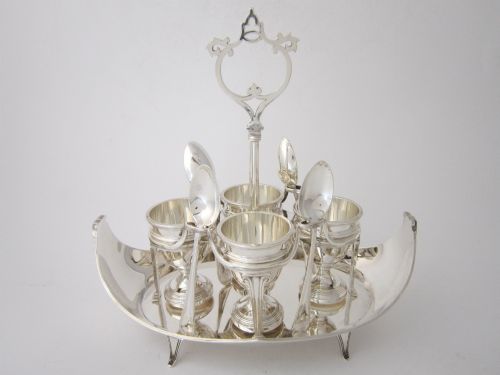
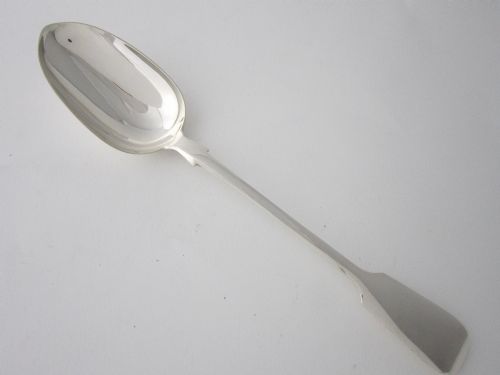
When you search for hallmarked silver tableware, you encounter a diverse range of items designed for the dining table, spanning multiple centuries from the Georgian era through to the mid-twentieth century. The selection includes serving spoons, napkin rings, menu holders, bowls, sauce boats, and knife rests.
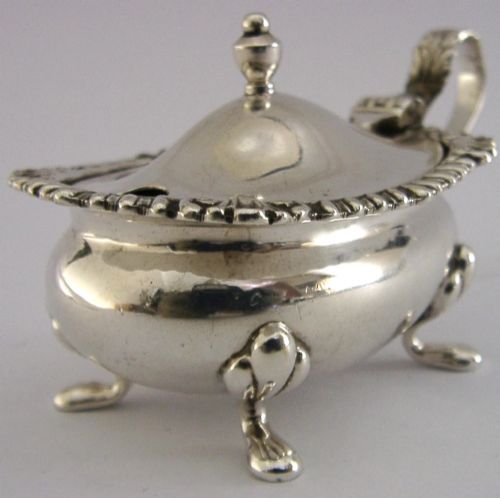
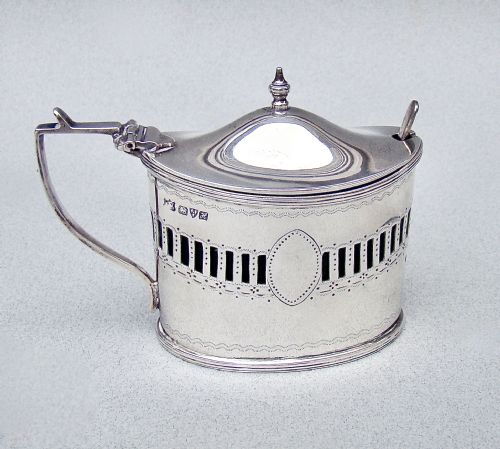
Makers utilised various supplementary materials alongside silver, incorporating glass liners, agate, mahogany wood, velvet, silk, and leather into items such as mustard pots, teapots stands, and cased sets.
Materials and construction
The primary material across these objects is sterling silver, stamped with hallmarks that record the assay office, date letter, and maker's mark to guarantee the standard of the metal. Silversmiths employed techniques such as casting, piercing, and hammering to shape solid silver into functional forms like toast racks, sugar baskets, and meat skewers.
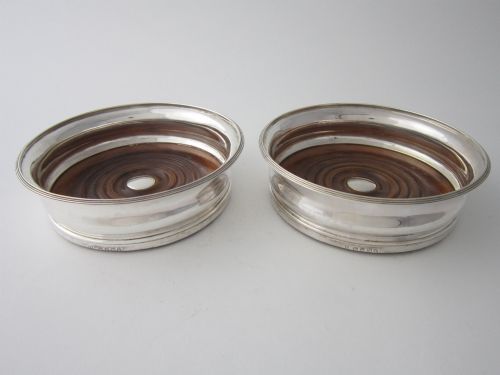
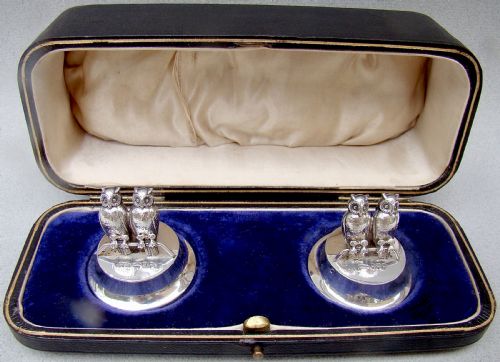
Many items incorporate contrasting media, pairing silver mounts with blue glass liners, agate stones, or wooden bases to create durable and visually engaging table accessories. Cased sets often feature fitted interiors lined with silk and velvet to house napkin rings, butter dishes, or berry spoons securely.
Miniature silver owls hold menu cards upright with avian vigilance.
Evaluating quality and execution
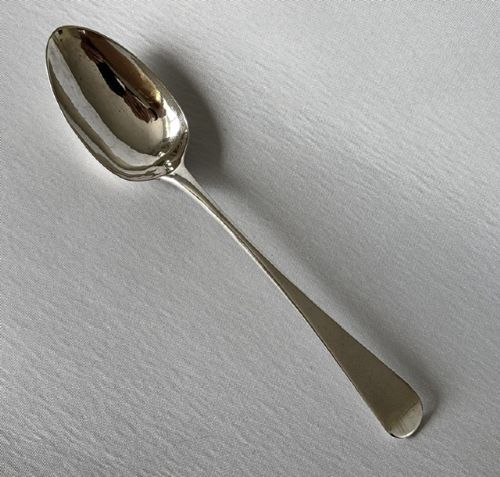
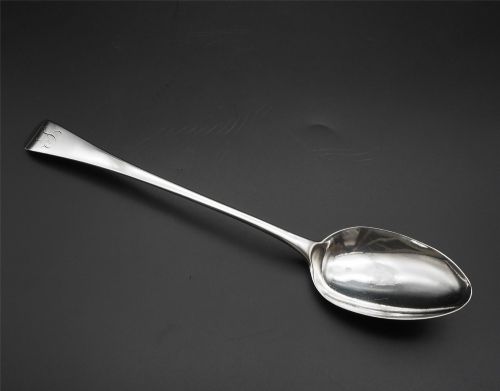
Quality in hallmarked silver tableware rests upon the weight of the metal and the crispness of the chasing, engraving, or piercing. Heavier gauges of silver provide greater structural integrity, evident in substantial basting spoons, knife rests, and napkin rings that resist bending during daily use.
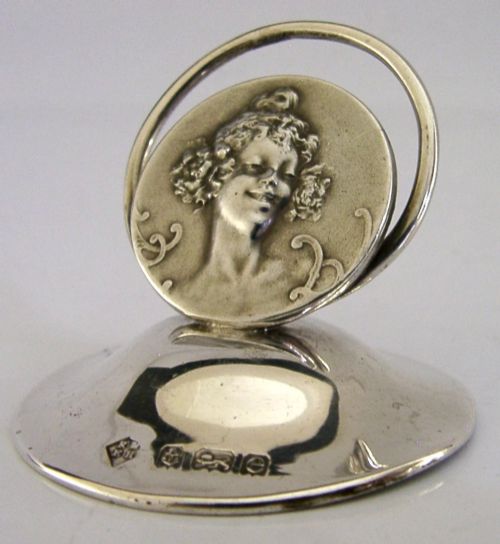
The reputation of the maker and the clarity of the complete set of hallmarks significantly influence the standing of a piece. Items produced by notable firms such as the Goldsmiths & Silversmiths Co. or Levi & Salaman demonstrate superior attention to detail, particularly in novelty designs like owl menu holders or grape scissors.
Peter & Jonathan Bateman·Harrods Ltd·Alfred Marston·Levi & Salaman·R. E. Stone·Grey & Co.·Goldsmiths & Silversmiths Co.
The Hallmarked Silver Tableware Glossary
- Hallmark
- A series of official marks applied to precious metals in the United Kingdom to certify their purity and origin. These stamps typically include the maker's mark, standard mark, assay office mark, and date letter.
- Sterling silver
- An alloy containing 92.5 percent silver by mass, with the remainder composed of other metals, usually copper. This standard has been the baseline for British silver tableware for centuries.
- Sauce boat
- A small pitcher designed for serving gravies, sauces, or melted butter at the dining table. They frequently stand on three or four feet and feature an integrated or separate matching tray.
- Toast rack
- A table accessory constructed with multiple upright metal divisions to hold slices of toast upright. This design prevents the toast from becoming soggy by allowing air to circulate around each piece.
- Basting spoon
- A large, long-handled spoon utilised historically for spooning juices or fat over roasting meat. In later domestic use, these large spoons frequently functioned as serving implements.
Hallmarked Silver Tableware: Frequently Asked Questions
What is hallmarked silver tableware?
These items encompass dining accessories and serving pieces made from sterling silver, bearing official stamps that verify their metal purity and origin.
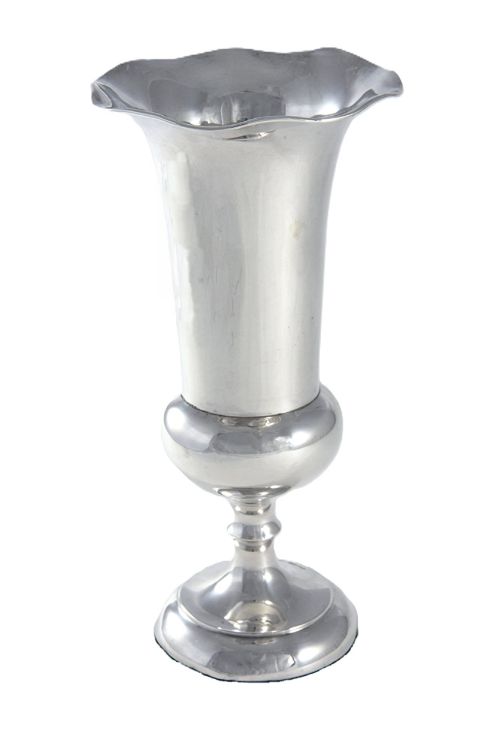
The selection ranges from practical utensils like serving spoons and knife rests to decorative table ornaments including menu holders and posy vases.
How do I identify the date of a silver piece?
You determine the age of an item by examining the date letter included within the group of stamped hallmarks. Each assay office utilised specific alphabetical cycles and shield shapes corresponding to particular years of manufacture.
Additional clues come from the overall style, such as the geometric lines of Art Deco pieces or the ornate embellishments characteristic of Victorian design.
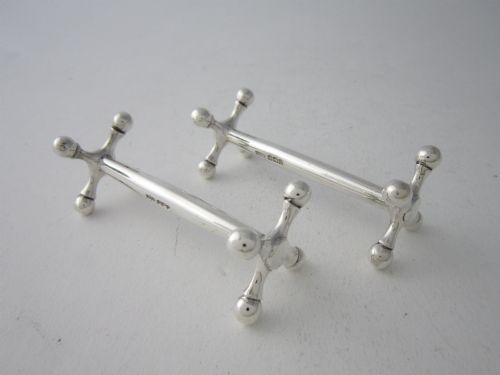
How were knife rests used?
Knife rests were placed upon the dining table to support the blade and handle of a carving knife or individual dining knives between courses. This practice kept the cutlery elevated above the tablecloth, preventing stains and maintaining table etiquette.
Examples from this category are often cast in heavy silver and formed as pairs to accommodate both ends of the dining service.
How should I clean silver tableware?
You maintain sterling silver by washing it gently in warm water with a mild detergent, followed by thorough drying with a soft cloth. Avoid harsh abrasive cleaners that can wear away engraved details or damage associated materials like glass and velvet.
When necessary, apply a specialised silver polish sparingly, moving in straight lines rather than circles to preserve the surface finish.