



Mid Century Silver Set
A mid century silver set brings together matching tableware, condiments or jewellery shaped by modern design across the middle decades of the twentieth century.
Mid Century Silver Set
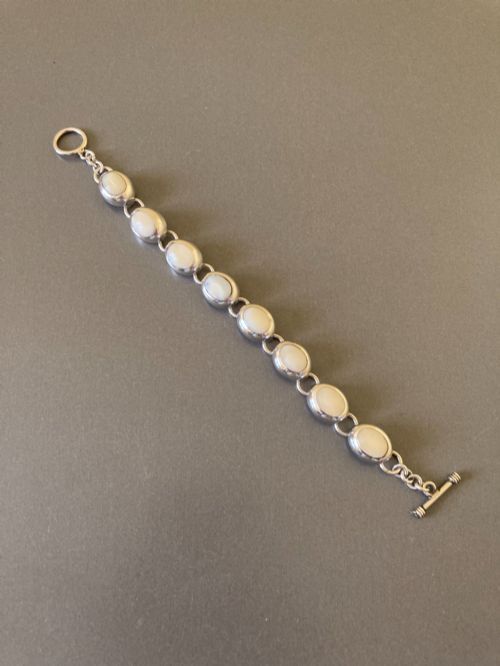
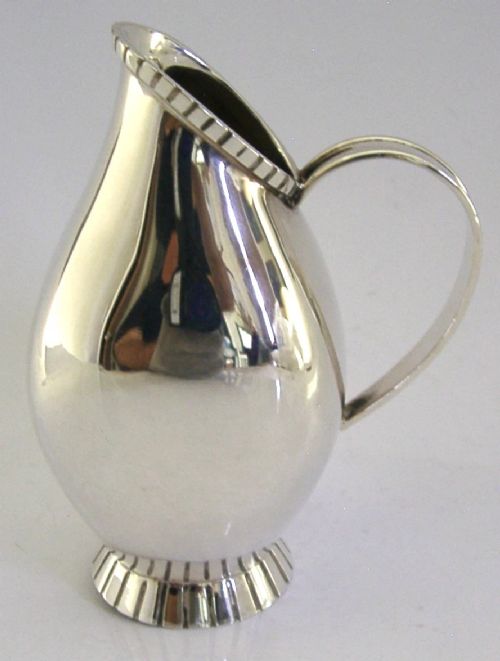
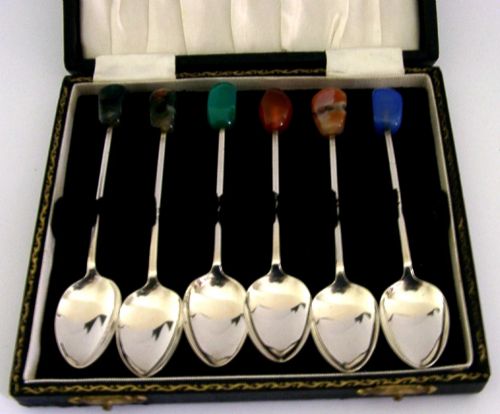
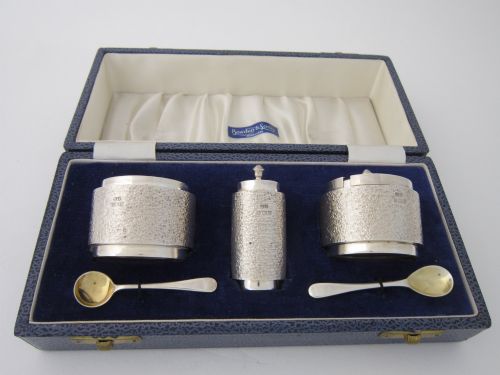
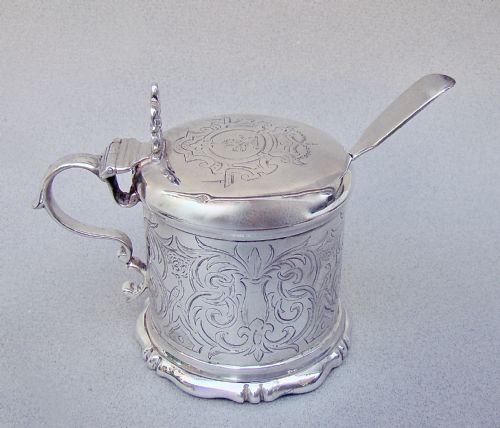
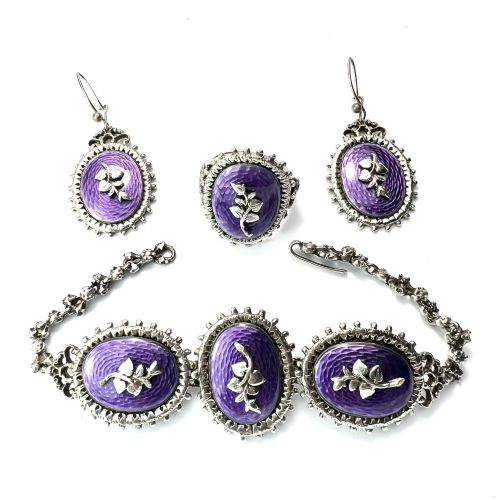
A mid century silver set encompasses matching groupings ranging from condiment sets with salt, pepper and mustard pots to teaspoons, butter dishes, wine tasters, and coordinated jewellery suites. Many pieces originate from the 1950s and 1960s, alongside earlier Victorian and twentieth century examples spanning the 1850s to the 1940s.
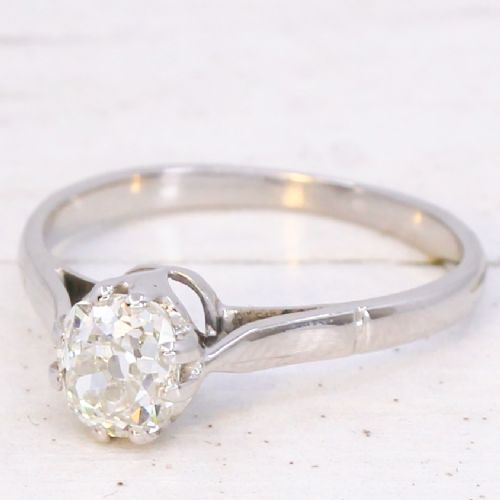
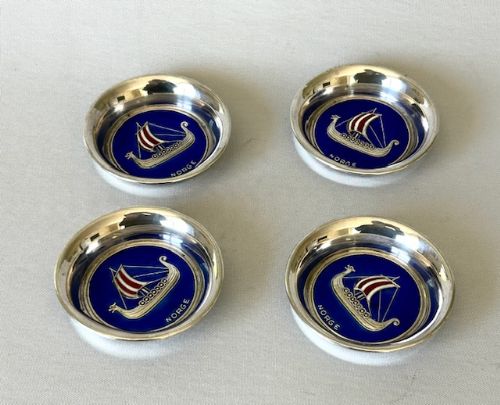
Buyers will encounter table services in sterling silver and silver plate, alongside smaller groupings of pin dishes and glass decanters mounted in silver. Forms vary from functional dining accessories to decorative jewellery sets comprising earrings, bracelets and rings.
Origins stretch across Britain, Scandinavia, France, Italy, Japan and the Netherlands, reflecting distinct regional interpretations of mid-century modern and modernist aesthetics.
Materials and construction
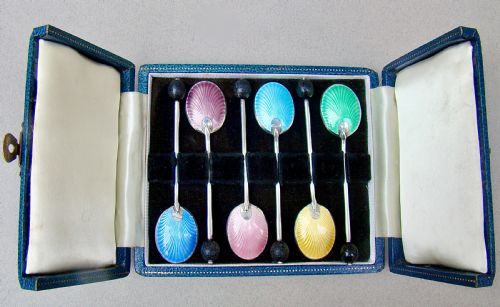
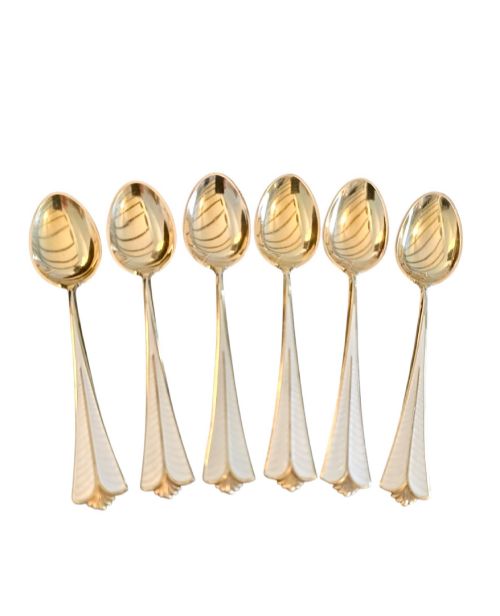
Makers utilised sterling silver, silver plate, platinum and metal as foundational structures, frequently combining silver with glass, diamonds, enamel, pearls and black lacquer. Enamelled surfaces display vibrant colour application, while glass bodies integrate with silver mounts and stoppers.
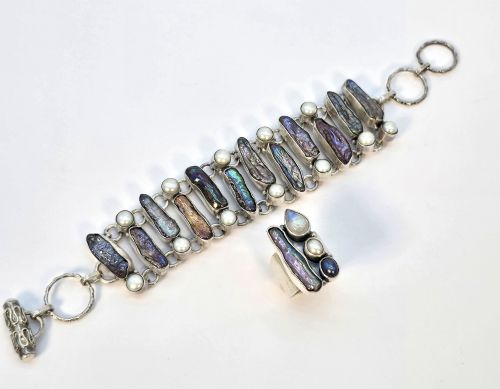
Silversmithing and metalworking techniques include casting, plating and detailed mounting, seen particularly in matched cutlery, condiment pots and spirit decanters. Stone settings in platinum and silver secure diamonds and pearls within jewellery suites.
Mid Century Silver Set Retail Price Guide 2026
Typical asking prices for mid century silver set among the pieces listed under this phrase on Sellingantiques today, from the lower quarter to the upper quarter. They describe what is for sale here now, not the wider market.
An Italian poker game box keeps things playful in black lacquer.
Distinctions in quality
Quality rests upon the crispness of the silversmith's work, the integrity of matched sets where every component remains present, and the prestige of the maker. Masterful execution of enamel work and the clarity of glass or gemstones elevate individual items.
The degree of preservation in fitted boxes, original placings and complete multi-piece arrangements determines the distinction between standard production and exceptional examples.
Charles and George Fox·Harold Arthur Lazarus·Georg Jensen·Christofle·Vertex·Hermes Paris·Macabo·Mappin and Webb·Adie Brothers
The Mid Century Silver Set Glossary
- Sterling silver
- An alloy containing 92.5 percent silver by mass, with the remainder typically copper. This standard marks the primary material used for durable tableware and jewellery.
- Silver plate
- A base metal coated with a thin layer of silver through electroplating or older techniques. It provided an accessible alternative for larger dining and serving sets.
- Parure
- A set of matching jewellery designed to be worn together, typically comprising a necklace, earrings, bracelet and brooch.
- Condiment set
- A matched grouping of small containers holding table seasonings such as salt, pepper, mustard and vinegar, often supplied with dedicated spoons.
- Wine taster
- A small, shallow silver vessel traditionally used by merchants and connoisseurs to sample wine, featuring embossed decoration that reflects light across the liquid.
Mid Century Silver Set: Frequently Asked Questions
What is included in a mid century silver set?
These sets include matched groupings for the dining table, such as salt, pepper and mustard pots, butter dishes, spoons, and wine tasters. They also cover coordinated jewellery suites featuring earrings, bracelets and rings.
Items may incorporate additional materials like enamel, glass, pearls and diamonds alongside the primary silver or platinum structure.
How do I date a mid century silver set?
Dating relies on hallmarks stamped into the silver, maker's marks, and stylistic indicators associated with the 1950s and 1960s. British pieces often carry specific date letters and assay office symbols.
Design traits such as mid-century modernism, Scandinavian styling, or Art Deco influences also help narrow the period of manufacture.
Were these sets used daily?
Many dining sets, condiment pots and teaspoons were produced for active use in domestic households during the mid-twentieth century. Other items, particularly jewellery suites, cocktail watches and display boxes, served social or decorative purposes.
Trinket dishes and pin dishes were kept on dressing tables and desks for everyday convenience.
How should I care for silver and enamel items?
Silver requires periodic cleaning with appropriate polishes to maintain its finish and prevent tarnishing. Items incorporating enamel, pearls or lacquer need gentle handling to avoid scratching or chemical damage.
Storing pieces in dry conditions away from direct sunlight protects both the metal and delicate decorative inlays.