




Textured Sterling Silver
Textured sterling silver objects bring tactile depth to precious metal, offering handles of pattern and finish that catch the light.
Textured Sterling Silver
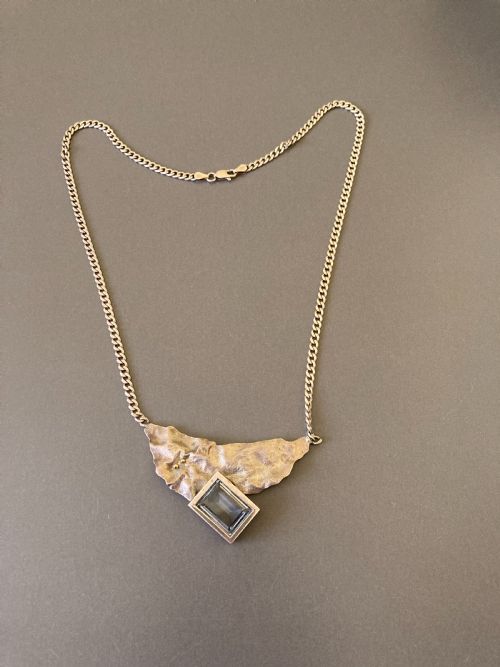
Textured sterling silver pieces span utilitarian desk items and decorative tableware, alongside personal ornaments like rings and necklaces. The selection ranges from Victorian naturalism to Mid-Century Modern designs, pairing precious metal with glass or gemstones.
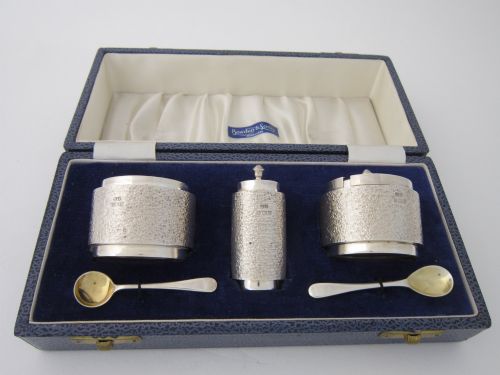
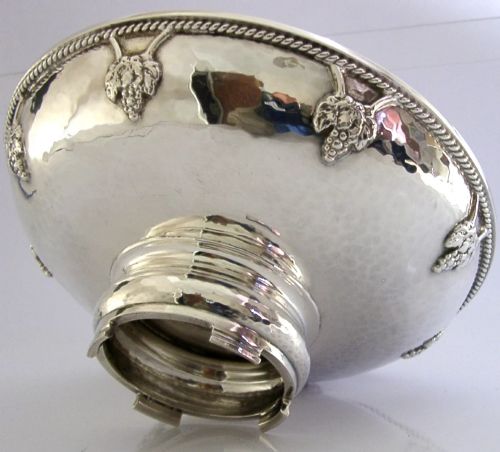
Buyers encounter condiment sets, tea caddies, match strikers, photograph frames, and bowls across various periods including the Victorian era, Arts and Crafts movement, and twentieth-century modernism. These items combine standard sterling silver with distinct surface manipulation or applied organic motifs.
How they were made
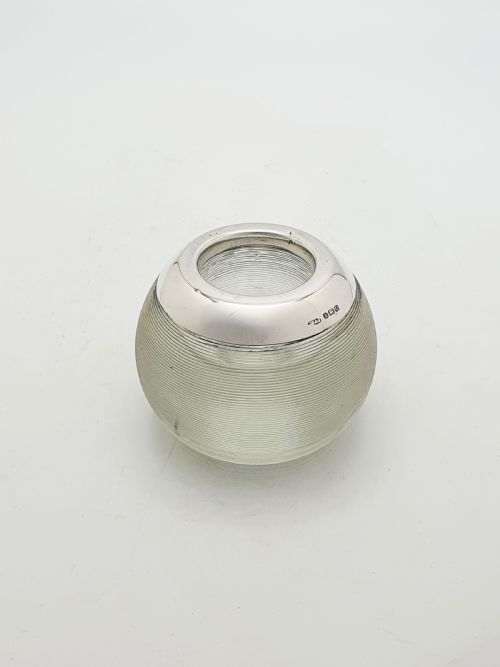
Maker's workshops utilised traditional smithing techniques alongside casting to impart surface pattern, frequently combining solid sterling silver with textured glass bodies in items such as match strikers. Select pieces incorporate silver-gilt finishes or mount blue topaz stones.
Surface variation is achieved through hand-worked hammering, naturalistic casting of serpent and floral forms, or engine-turned detailing. These methods produce tactile finishes that contrast with polished metal components.
Textured Sterling Silver Retail Price Guide 2026
Typical asking prices for textured sterling silver among the pieces listed under this phrase on Sellingantiques today, from the lower quarter to the upper quarter. They describe what is for sale here now, not the wider market.
Materials appearing alongside silver include glass, silver-gilt, and blue topaz.
What varies in quality
Quality rests in the crispness of the surface detail and the integrity of the maker's hand, where deep hammering or deliberate casting grain remains sharp rather than worn. Pieces featuring integrated glass or gemstones require secure mounts and balanced proportions between differing materials.
Substantial gauge metal and clear hallmarks elevate an object, separating standard commercial production from workshop pieces designed by notable makers such as A E Jones or Christopher Lawrence.
A E Jones·Christopher Lawrence
The Textured Sterling Silver Glossary
- Sterling silver
- An alloy containing 92.5 percent silver by mass, with the remainder consisting of copper or other metals to ensure durability for domestic and personal objects.
- Silver-gilt
- Sterling silver that has been coated with a thin layer of gold on its surface, often applied to the interior of bowls or condiment vessels.
- Match striker
- A heavy container, typically combining silver mounts and textured glass, designed with a rough striking surface to ignite matches safely.
- Tazza
- An ornate shallow bowl or cup mounted upon a stem and foot, used for serving or display upon a table.
Textured Sterling Silver: Frequently Asked Questions
How do I clean textured silver?
Soft brushes remove dust from recessed patterns without flattening raised details or removing dark patination.
Harsh abrasive dips should be avoided on textured surfaces because they strip the characteristic depth from the metal.
Are these items marked with hallmarks?
British pieces carry assay office marks, standard marks, and date letters stamped into the metal.
These stamps identify the year of manufacture and the specific silversmith responsible for the work.
How was textured glass used with silver?
Match strikers and heavy jars pair cut or hobnail glass bases with solid silver collars and lids.
The contrasting textures provide both a secure grip and a visual interplay between reflective glass and matte metal.
What periods are represented here?
The selection includes Victorian naturalistic designs, Edwardian desk accessories, and clean-lined Mid-Century Modernist pieces.
Arts and Crafts examples sit alongside later twentieth-century table lighters and minimalist money clips.