


Hallmarked Silver Sugar Bowl
A hallmarked silver sugar bowl sits ready for your table, bringing proper British weight and bright metal to afternoon tea.
Hallmarked Silver Sugar Bowl
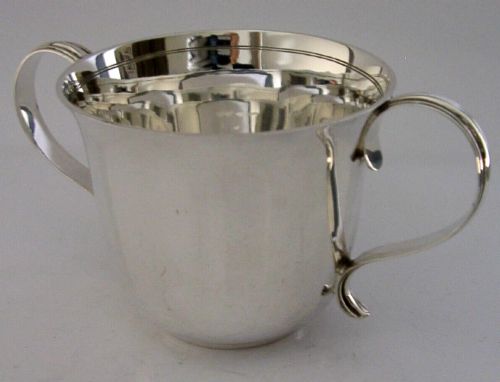
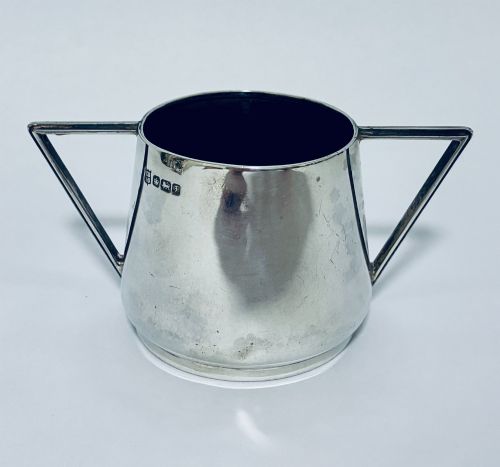
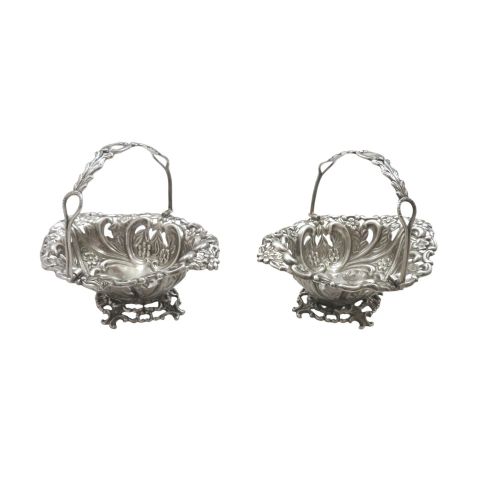
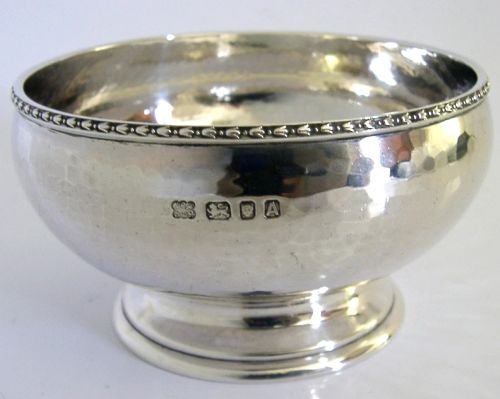
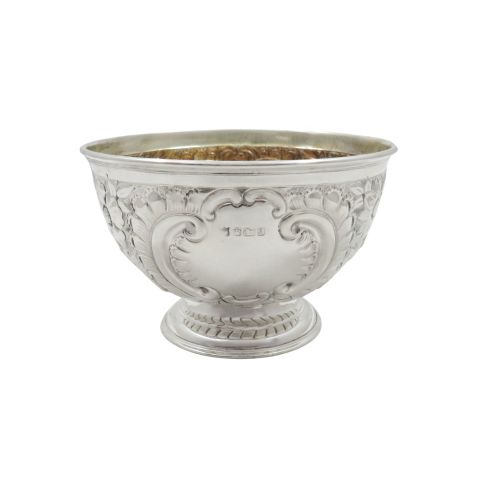
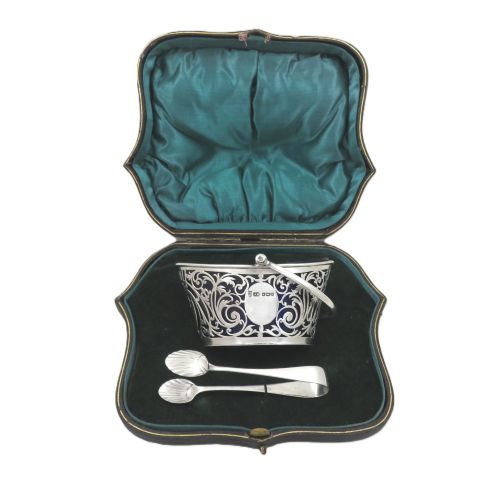
A hallmarked silver sugar bowl is a functional vessel designed to hold sugar for tea and coffee service, appearing across periods from the Georgian era through to Art Deco. When you search for a hallmarked silver sugar bowl, you encounter open footed vessels, handled porringers, and swing handled baskets made for domestic use.
Victorian and Edwardian examples dominate the selection, often accompanied by matching cream jugs or displayed on pedestal feet. These pieces range from simple polished forms to intricate designs shaped by Arts and Crafts and Art Nouveau ideals.
Materials and construction
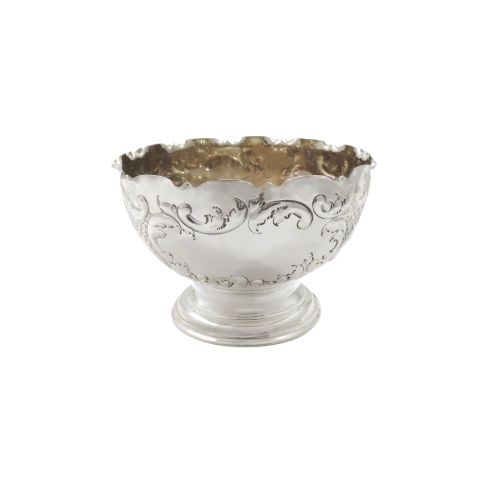
Sterling silver provides the primary substance for these vessels, shaped through hammering, casting, and planishing techniques. Makers also utilised silver gilt, adding a rich interior finish to contrast with the polished exterior of the bowl.
Fitted cases lined with silk, velvet, or leather accompany specific baskets and sets, while wood and glass elements occasionally support the primary silver structure.
A complete strawberry set ensures your morning fruit and afternoon sugar share the exact same Victorian silver pedigree.
Assessing quality and craftsmanship
Quality rests in the substantial weight of the sterling silver and the crispness of the stamped hallmarks that verify the assay office, standard, and date. Heavier bowls with solid pedestal feet or finely executed planished hammer marks demonstrate superior silversmithing compared to lighter, plain pressings.
The presence of original fitted cases, associated matched sets with tongs, and the renown of the silversmith elevate certain pieces above standard domestic wares.
Joseph Craddock·Benjamin Smith·Elkington & Co·Harry Atkin
The Hallmarked Silver Sugar Bowl Glossary
- Hallmark
- Official stamps struck into precious metal indicating the maker, purity standard, assay office, and year of testing. These marks provide the primary evidence for dating British silver.
- Planished
- A surface texture created by hammering metal with a polished round headed tool to leave controlled facets. This technique appears prominently on Arts and Crafts pieces.
- Porringer
- A small, deep bowl featuring one or two flat pierced handles. They date back centuries and serve as substantial drinking or serving vessels.
- Pedestal foot
- A raised circular or multi-sided base that elevates the body of the bowl off the table surface. This form grows common in Victorian designs.
- Silver gilt
- Sterling silver that has been coated with a thin layer of gold through an electrolytic or fire gilt process. The interior of sugar bowls often receives this treatment to prevent tarnishing from sugar.
Hallmarked Silver Sugar Bowl: Frequently Asked Questions
How do I clean a silver sugar bowl?
Use a soft microfiber cloth and a mild silver polish designed to lift tarnish without removing the definition of the hallmarks.
Avoid harsh dips that strip the natural patina accumulated over decades of proper care.
Can I use these bowls daily?
Solid sterling silver stands up well to regular domestic use provided you wash it by hand in warm soapy water.
Dry the vessel immediately with a soft cloth to prevent water spots from forming on the polished surface.
What do the hallmarks tell me?
British hallmarks contain specific punch marks that reveal the town where the metal was tested, the sterling purity standard, and a date letter.
Reference tables match these small stamped letters to exact years of production.
Why do some bowls have gilt interiors?
Gilding protected the reactive sterling silver from the corrosive effects of moist sugar and acidic contents.
This golden interior layer also added a decorative contrast when serving guests at the tea table.