

Hall Tree Coat Stand
A hall tree coat stand organises the entrance, combining hooks for garments, umbrella holders, and often a seat or mirror in one heavy piece of furniture.
Hall Tree Coat Stand
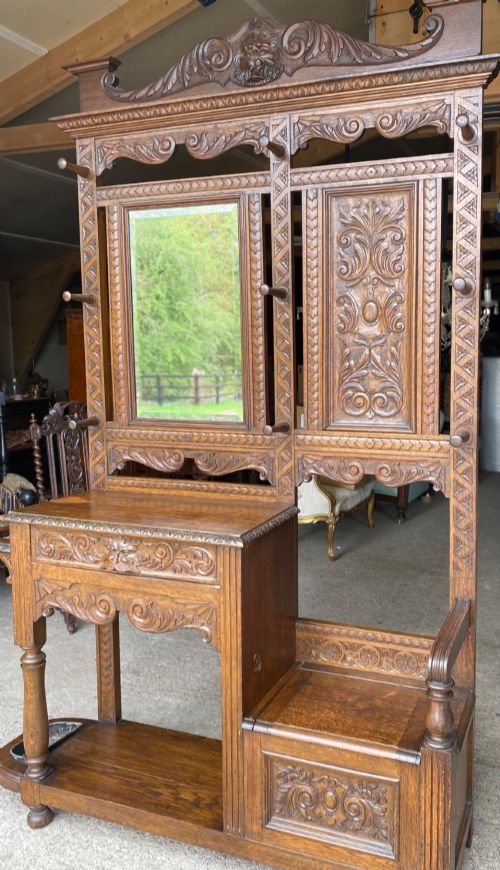
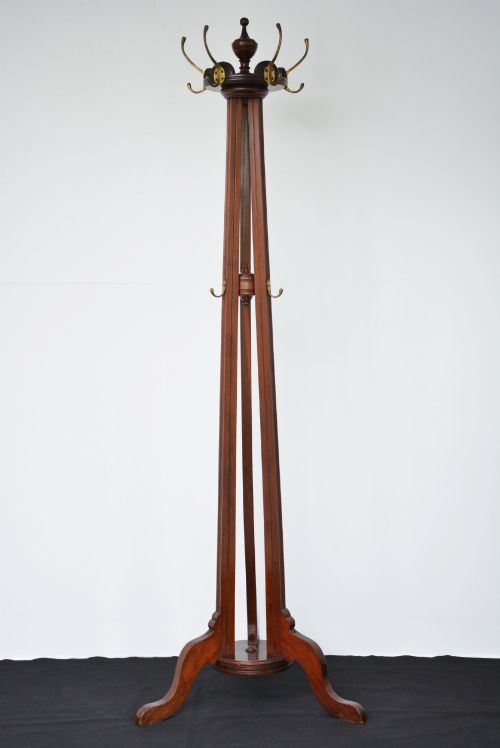
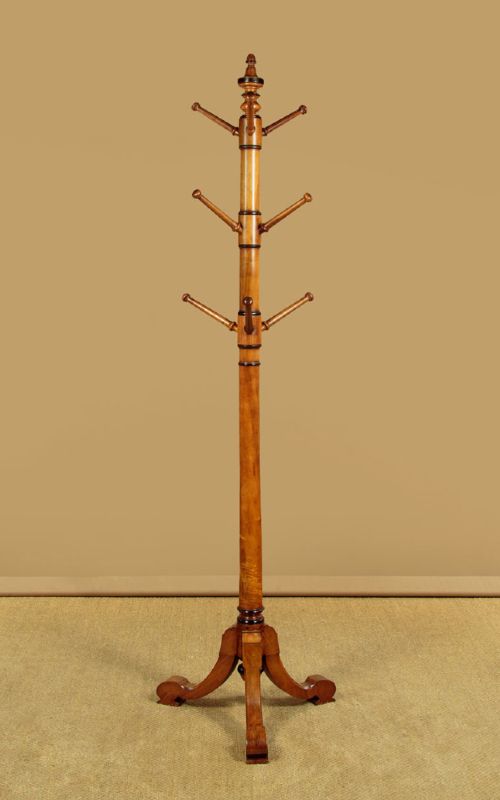
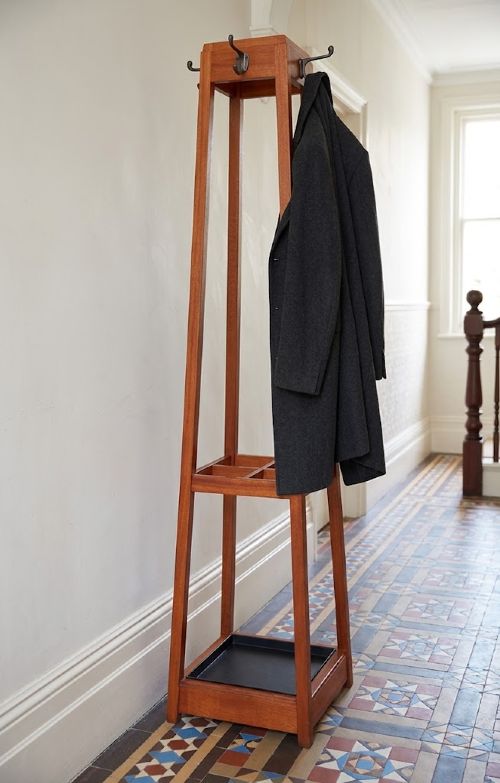
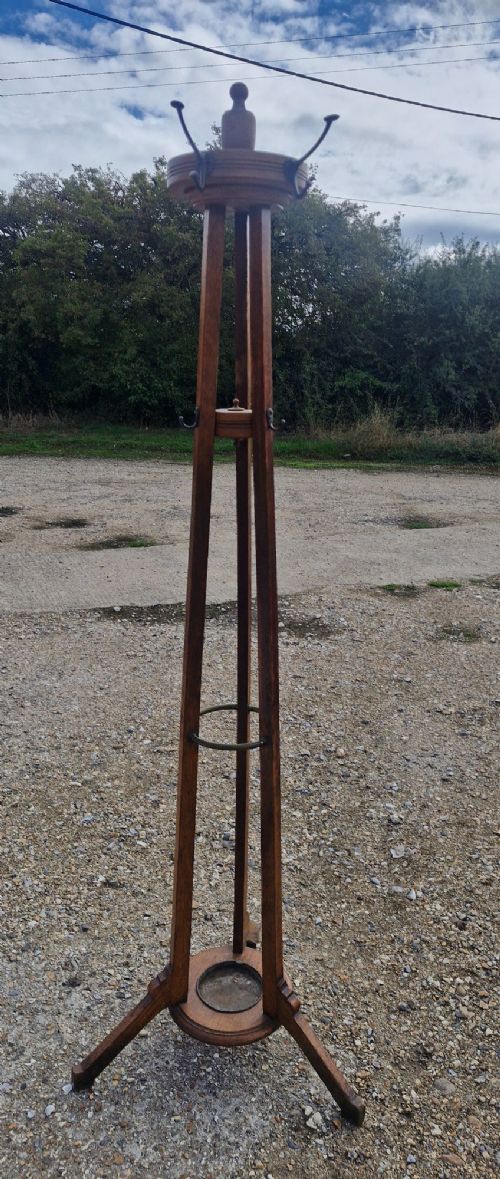
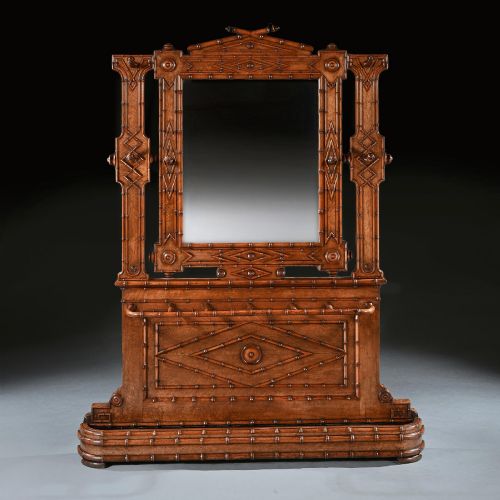
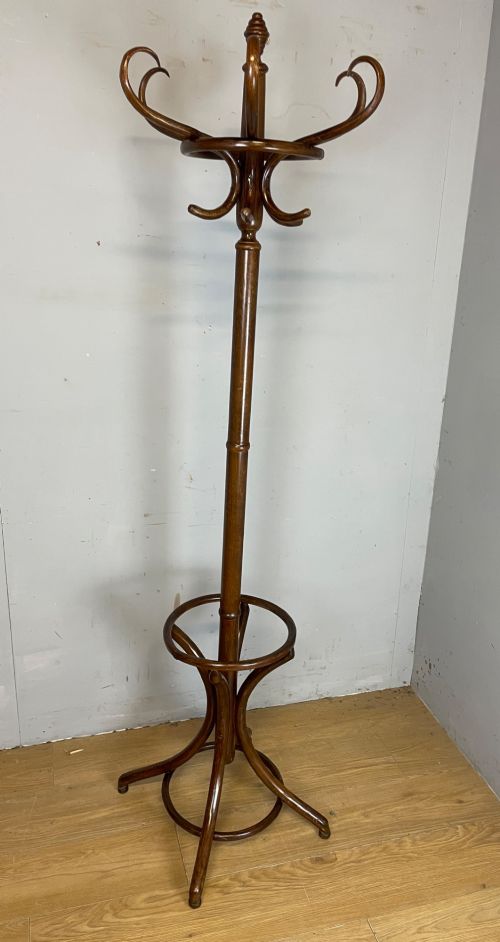
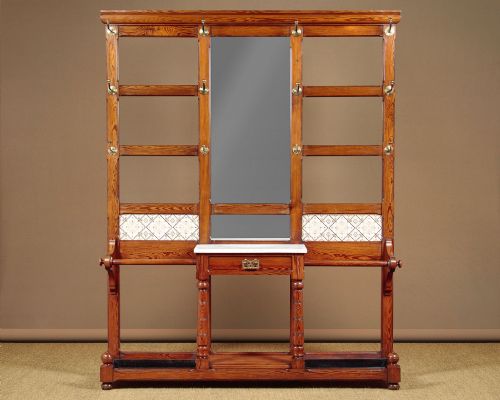
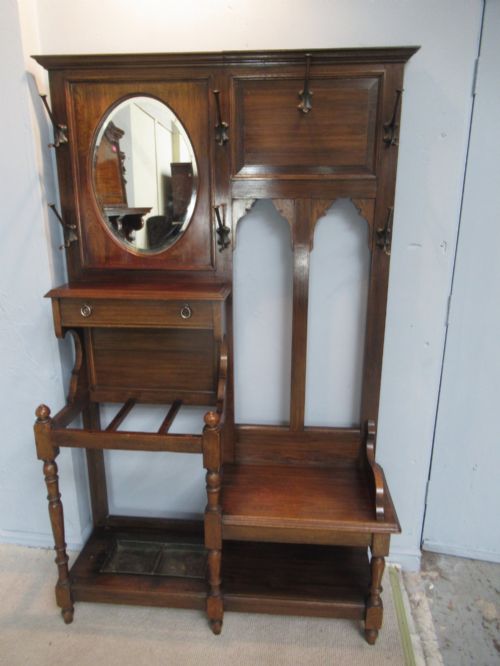
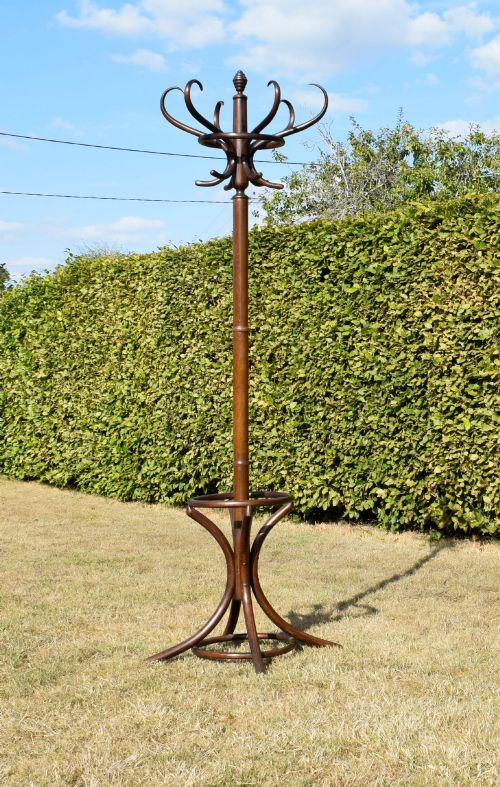
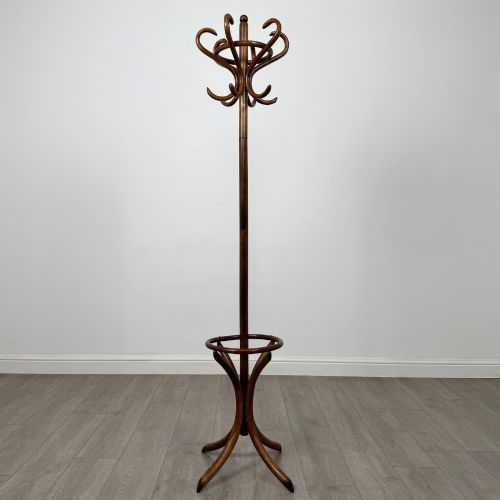
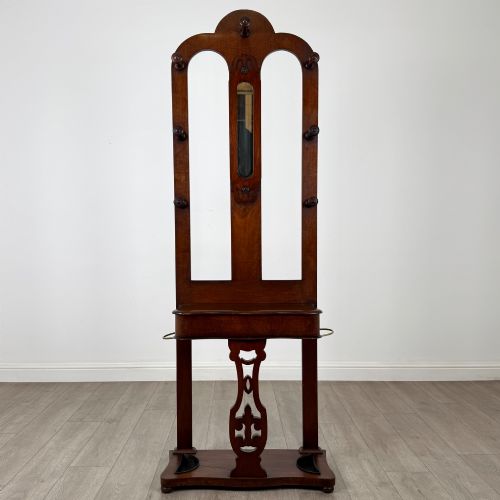
When you search for a hall tree coat stand, you find furniture designed for the entrance hall, encompassing forms like coat and umbrella stands, hat racks, and multi-functional hall seat stands. These pieces date primarily from the Victorian and Edwardian periods, stretching from the mid-nineteenth century into the early twentieth century.
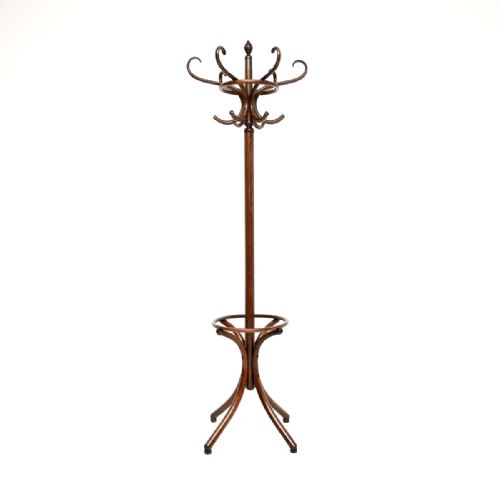
You are most likely to meet oak and mahogany examples from the Victorian and Edwardian eras, alongside bentwood designs in beech and beechwood. These range from simple wall-mounted racks to large, carved timber structures incorporating drip trays for wet umbrellas and integrated seating.
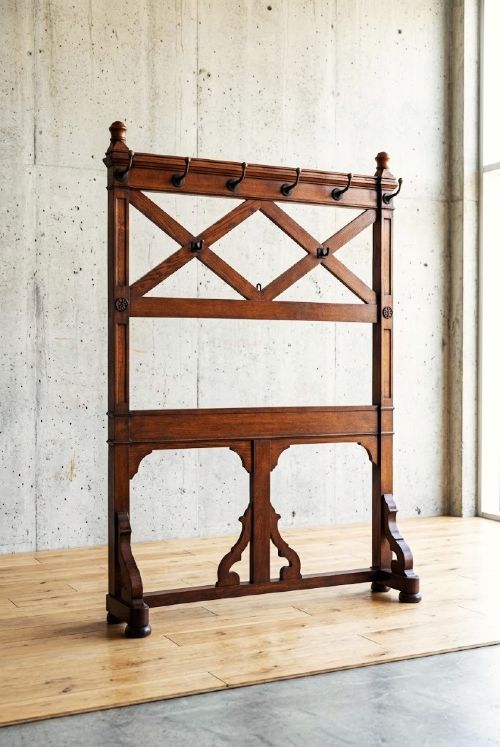
The materials and styles span straightforward utility pieces to elaborate items reflecting the Arts and Crafts, Aesthetic Movement, and Art Nouveau styles. Variants include revolving hat stands, Gothic Revival oak stands, and cast iron pieces with faux bamboo detailing.
Materials and Construction
Cabinet makers utilised solid hardwoods such as oak, mahogany, and pine for large Victorian and Edwardian hall stands, often incorporating carved details, brass hooks, and mirrored panels. Ironfounders cast heavy metal and cast iron into robust frames, sometimes moulding them to imitate natural bamboo or Gothic architectural motifs.
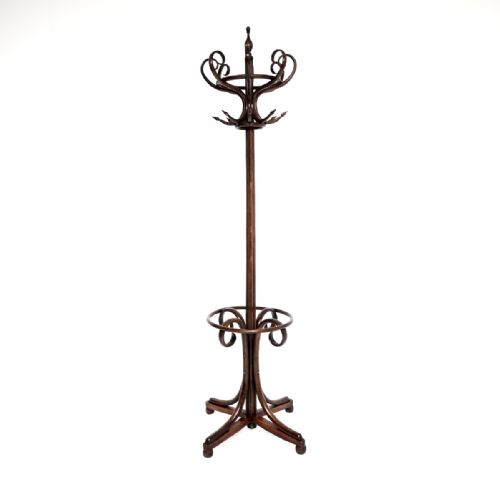
Bentwood manufacturers steamed beech and beechwood under heat to bend the timber into the graceful, curved framework characteristic of hat and coat stands from the late nineteenth and early twentieth centuries. These bentwood pieces frequently rely on clever joinery and screw-in attachments rather than heavy carving.
Functional additions such as metal drip trays, brass umbrella rings, and revolving top sections required precision engineering to withstand daily domestic use in busy entranceways.
Listings feature oak, mahogany, bentwood beech, and cast iron across Victorian and Edwardian periods.
Evaluating Construction and Design
Quality rests upon the integrity of the primary timber and the stability of the joints under the weight of heavy winter coats and umbrellas. Solid oak and mahogany examples with deep, crisp carving and original brass hardware sit at the upper end of the scale.
In bentwood pieces, the smoothness of the curved beech and the firmness of the revolving mechanisms determine the grade. Pieces that retain their original drip trays, matching hooks, and uncompromised structural alignment demonstrate superior preservation.
Thonet·J. Parker of Woodstock·William Whiteley
The Hall Tree Coat Stand Glossary
- Bentwood
- Timber shaped by steaming it until pliable and bending it into curves. This technique created lightweight, durable coat stands and hall trees.
- Hallstand
- A piece of entrance furniture incorporating coat hooks, hat pegs, and umbrella storage. Many also include a central mirror and a bench seat.
- Japonisme
- A late nineteenth-century artistic style influenced by Japanese art. It appears on hall stands through faux bamboo turnings and exotic motifs.
- Drip tray
- A metal tray placed at the base of a coat stand to catch water from wet umbrellas. These are often removable for easy emptying.
- Gothic Revival
- An architectural and decorative style popular in the nineteenth century. It is identified by pointed arches, heavy carving, and medieval motifs.
Hall Tree Coat Stand: Frequently Asked Questions
What is a hall tree coat stand?
A hall tree coat stand is a tall piece of furniture designed for entranceways to hold outerwear, hats, and umbrellas.
They often combine multiple functions, including upright hooks, umbrella wells, and sometimes a bench seat or mirror.
How were bentwood coat stands made?
Bentwood coat stands were produced by steaming beech timber until it became flexible.
Craftsmen then bent the wood into smooth curves to form the structural framework and coat hooks.
Where should I place a hall stand?
These pieces belong in an entrance hall, vestibule, or boot room where guests arrive.
Ensure there is enough floor space around the stand for coats and wet umbrellas without blocking doorways.
How do I care for an antique oak hall stand?
Clean the oak timber with a soft, dry cloth and apply a quality beeswax periodically to nourish the wood.
Protect the base from standing water by ensuring the drip tray is dry after holding wet umbrellas.