




Hadleys Worcester Ceramic
Hadleys Worcester ceramic pieces bring Victorian character and delicate coloration to a room through finely modelled figures and decorative vases.
Hadleys Worcester Ceramic
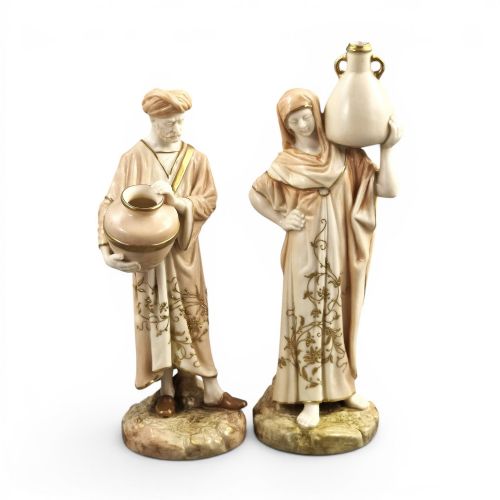
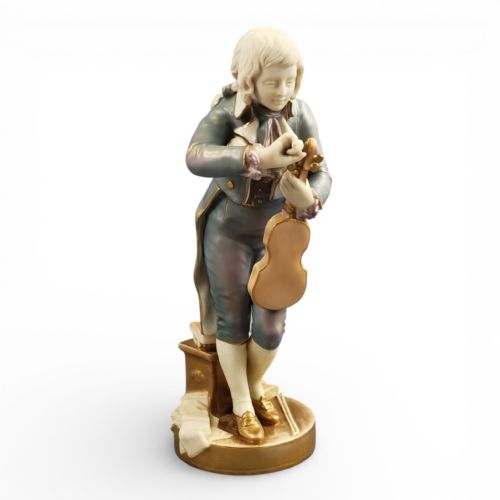
When you search for hadleys worcester ceramic, you encounter finely detailed figures, candlesticks, and vases originating from the late nineteenth and early twentieth centuries. These pieces reflect Victorian Orientalism, Aesthetic Movement influences, and classical revivals, capturing subjects ranging from water carriers and musicians to mythological figures and decorative bowls.
The objects span periods from the Victorian era into the Edwardian years, with manufacturing dates clustering around the late eighteen-eighties and eighteen-nineties. You meet items bearing specific model numbers and signatures, alongside pedestal vessels and jardinières that show the distinctive aesthetic of the period.
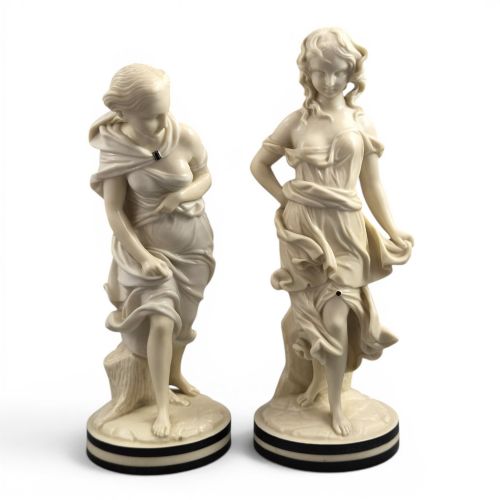
The forms on this page include elaborate candelabra, pot pourri jars, mugs, and figural pairs such as "The Breezes" or "Before the Wind". Each category demonstrates the factory's shift toward sculptural modelling and soft surface decoration during the late nineteenth century.
How Hadleys Worcester ceramic pieces were made
Potters shaped these objects from fine porcelain and parian ware, building intricate figurines, vases, and candelabra through skilled moulding and hand-finishing. The surfaces often received the characteristic blush ivory glaze, which provided a soft, matte backdrop for painted details.
Makers applied gold leaf, heavy gilding, and enamel highlights to accent robes, bases, and architectural elements on figures and vessels. Certain pieces employed specialised treatments such as the patent metallic finish, which added distinctive sheen and texture to the ceramic surface.
Object forms span figurines, candelabra, jardinières, and pedestal vases bearing nineteenth and twentieth-century dates.
What varies in quality in Hadleys Worcester ceramic pieces
The sophistication of the modelling determines the distinction of a figure or candelabra, particularly in the rendering of facial expressions, drapery folds, and intricate accessories like musical instruments or baskets. Pieces with crisp definition in the clay show superior craftsmanship compared to softer, worn examples.
The application of the blush ivory glaze and hand-painted enamel work dictates visual success, with skilled execution creating subtle gradients and harmonious tones. Preservation of the original gilding and gold leaf without rubbing or restoration maintains the integrity of the piece.
James Hadley·Royal Worcester·Hadley and Sons
The Hadleys Worcester Ceramic Glossary
- Blush Ivory Glaze
- A soft, creamy ceramic finish developed during the late nineteenth century. It provides a matte background that accepts hand-painted floral and figural details.
- Parian Ware
- A fine biscuit porcelain resembling marble, used for unglazed or partially glazed sculptural figures. It takes its name from the white marble of Paros.
- Candelabra
- Branched lighting fixtures designed to hold multiple candles, often produced in matching pairs. In this ceramic medium, they incorporate figural shafts and ornate pedestals.
- Jardiniere
- An ornamental ceramic pot or stand designed to hold growing plants or floral arrangements. These vessels frequently feature relief decoration or painted scenes.
- Patent Metallic
- A specialised surface treatment used on certain nineteenth-century ceramic wares. It produces a lustrous, metallic sheen across selected areas of the design.
Hadleys Worcester Ceramic: Frequently Asked Questions
What periods do hadleys worcester ceramic pieces date from?
The pieces span the nineteenth and early twentieth centuries, primarily covering the Victorian and Edwardian eras. Production dates concentrate heavily between eighteen-seventy and nineteen-twenty.
Items from this group reflect nineteenth-century revival styles and aesthetic movements, showing stylistic evolution from the mid-Victorian period through to the nineteen-twenties.
How were hadleys worcester ceramic items used originally?
Many of these objects served as decorative garnitures, centre pieces, and mantel ornaments in wealthy Victorian and Edwardian homes. Figurines and figural groups were displayed on tables and shelves to showcase taste.
Utility items like candlesticks, candelabra, mugs, and jardinières combined functional lighting or plant display with sculptural artistry, reflecting the period's love for ornamented interiors.
How do you identify a piece by James Hadley?
Identification relies on factory marks, inscribed signatures, and specific model numbers associated with the modeller's work at Worcester. Many pieces feature handwritten or stamped signatures alongside registration numbers.
The subject matter often points directly to Hadley's output, including figural studies of eastern water carriers, musicians, and literary or genre figures produced during the late nineteenth century.
How should I display hadleys worcester ceramic pieces?
Place these delicate porcelain and parian items in stable positions away from direct sunlight and high traffic areas to protect the blush ivory glaze and delicate gilding. Mantelpieces, cabinets, and dedicated display shelves provide secure environments.
Keep paired items, such as candelabra or figural groups like "The Breezes", together to preserve their intended visual balance and symmetry within a room.