




Victorian Ornamental Vase
A victorian ornamental vase brings nineteenth-century craftsmanship into a room through decorative porcelain, bronze, and glass.
Victorian Ornamental Vase
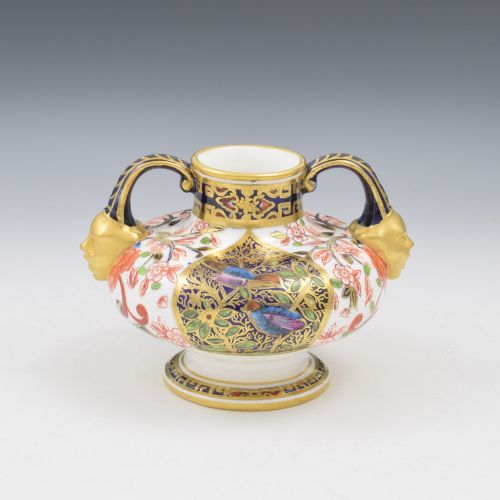
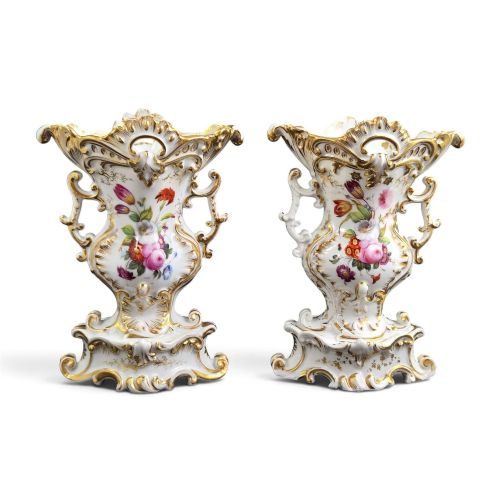
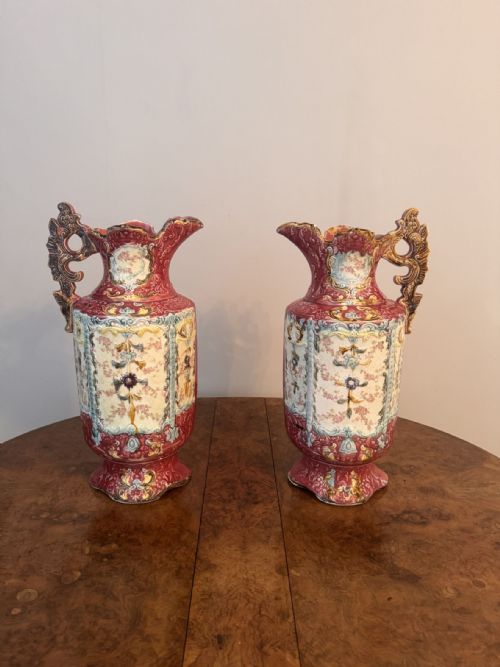
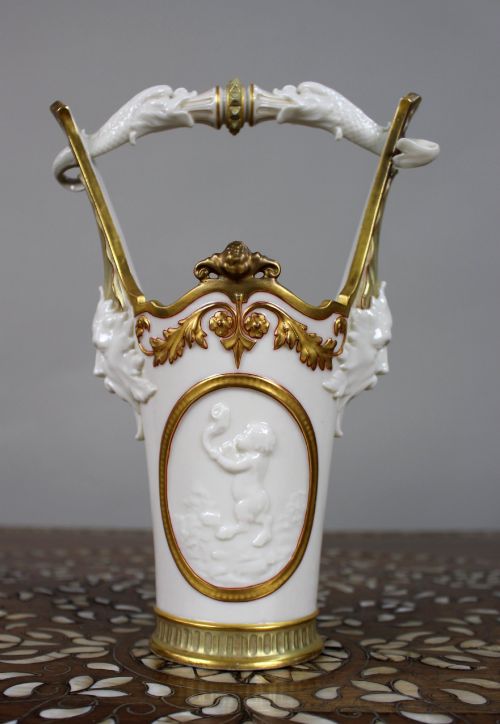
When searching for a victorian ornamental vase, buyers encounter a variety of forms including ewers, urns, centrepieces, and decorative figurines. These objects emerge from periods such as the nineteenth century, with specific pieces appearing from eighteen eighty, eighteen ninety, and nineteen twenty.
The styles span Victorian, Victorian Rococo Revival, French Neoclassical Revival, and Aesthetic movements. Makers and origins include Royal Worcester, Royal Crown Derby, Coalport, Hadley's and Sons, Vienna, and French workshops.
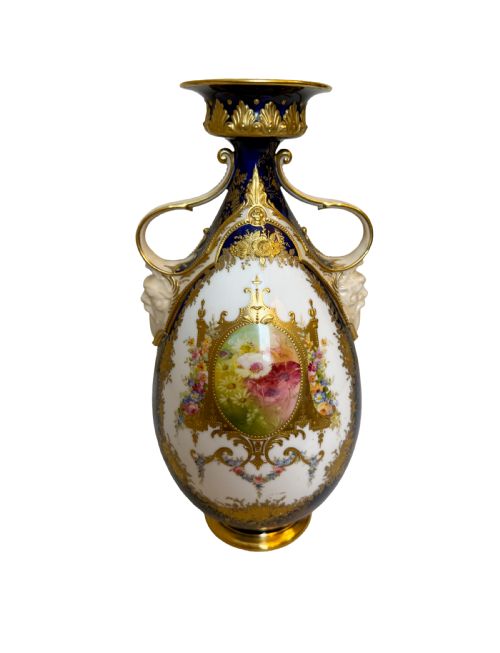
Porcelain and earthenware dominate the forms, accompanied by bronze and spelter urns. Buyers most frequently meet porcelain vases and ewers finished with hand painting, gilding, and raised gold decor.
How They Were Made
Potters shaped porcelain and earthenware into vases, ewers, and urns before applying glaze and hand-painted details. Artists utilised gilding, gold leaf, and gilt highlights alongside raised gold decoration to accent the surfaces.
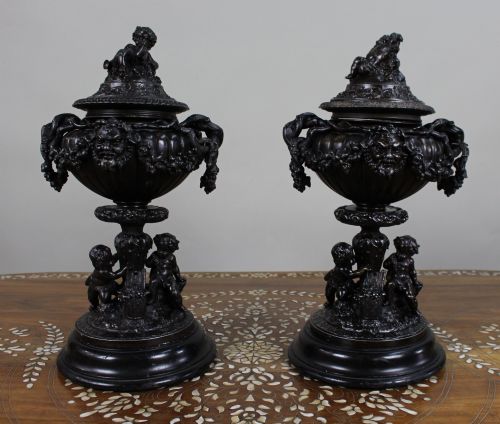
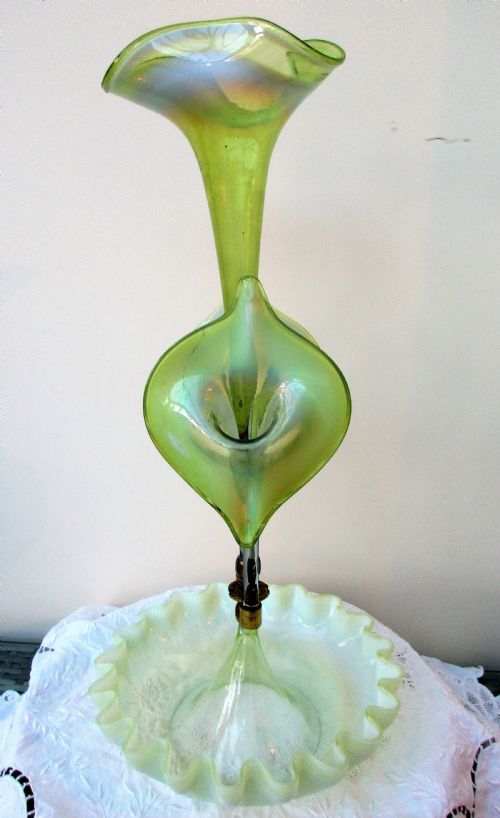
Foundries cast bronze and spelter into figurative urns and ewers featuring Bacchic masks and putti. Glassmakers produced green glass epergnes, while factories such as Royal Worcester and Vienna incorporated detailed hand painting by named artists.
Listings feature porcelain, earthenware, bronze, and glass across periods from the Regency era through the nineteenth century and into nineteen twenty.
What Varies in Quality
The distinction between standard production and the top of the range rests on the execution of hand painting and the crispness of moulded detail. Pieces featuring signed work by artists demonstrate superior craftsmanship compared to unmarked factory output.
The application of gilding and raised gold decor separates finer examples from simpler vessels. Materials also dictate quality, where cast bronze and finely potted porcelain command greater attention than standard earthenware.
Jacob Petit·Royal Worcester·Royal Doulton·Royal Crown Derby·Hadley and Sons·Coalport
The Victorian Ornamental Vase Glossary
- Ewer
- A large jug with a wide spout and handled body, often produced as a decorative pair alongside matching vases. Ewers served primarily as ornamental display pieces in nineteenth-century interiors.
- Gilding
- The application of gold leaf or gilt paste to ceramic or metallic surfaces. This technique highlights handles, rims, and ornamental motifs.
- Urn
- A classical vessel on a pedestal base, frequently cast in bronze or formed in porcelain. Urns often feature classical ornamentation including masks and putti.
- Epergne
- A centrepiece table ornament featuring multiple branches or receptacles for holding flowers, often executed in coloured glass.
- Spelter
- An alloy of zinc used as a less costly alternative to bronze for casting decorative figures and urns. It accepted patination and bronzed finishes effectively.
Victorian Ornamental Vase: Frequently Asked Questions
How were ornamental ewers used in the Victorian home?
Ornamental ewers served as decorative display objects on mantelpieces, sideboards, and occasional tables. Despite their historical utility as water jugs, these ceramic and metal pieces functioned purely as visual focal points.
Pairs of ewers were frequently arranged symmetrically alongside vases or urns to balance interior mantel displays. Their elaborate handles and painted surfaces were designed for admiration rather than service.
How do I identify a Royal Worcester piece?
Royal Worcester pieces often bear specific factory marks on the base alongside handwritten pattern numbers or artist signatures. The factory employed skilled painters who specialised in subjects like birds, flowers, and classical figures.
Pedestal vases and ewers from this maker frequently incorporate raised gold decoration and elaborate handles. Examining the base markings provides the primary confirmation of origin.
Where should I place a large porcelain urn?
Large porcelain urns require stable placement on sturdy console tables, pedestals, or wide fireplace hearths. Their significant weight and height mean they need secure surfaces away from household traffic.
Displaying them where natural light can catch the gilding and hand-painted details enhances their visual impact. Pairing them with matching smaller vases creates a balanced arrangement.