




Hadley Worcester Figure
A hadley worcester figure brings unmistakable Victorian character to a room through finely modelled porcelain and delicate painted detail.
Hadley Worcester Figure
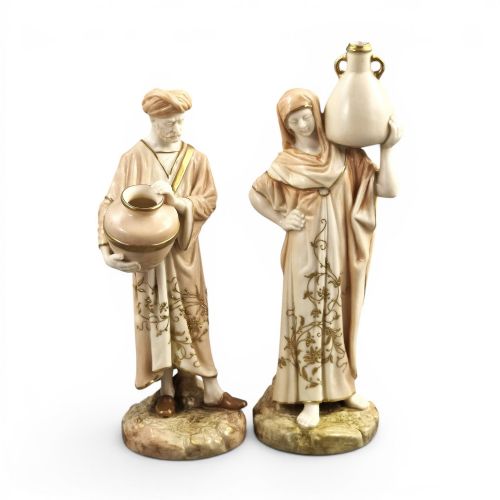
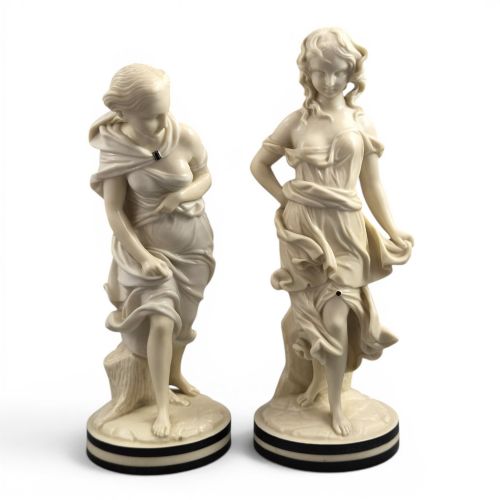
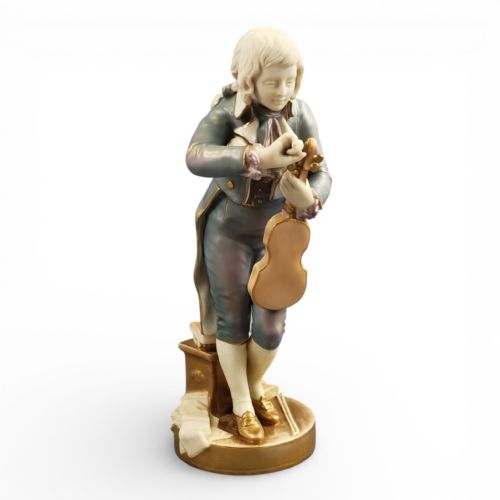
When you search for a hadley worcester figure, you encounter sculptural porcelain pieces spanning the nineteenth and early twentieth centuries. These works include individual figurines, pairs, candlesticks, and candelabra created in Victorian, Edwardian, and revival styles. Collectors meet subjects ranging from water carriers and musicians to classical maidens and regional character studies.
The most frequently encountered examples on this page are Victorian porcelain figurines shaped during the active periods of James Hadley's modelling career. These pieces often depict Eastern water carriers, classical figures, or symbolic pairs like 'The Breezes'. Candlesticks and candelabra bearing Hadley designs also appear regularly alongside figural groups.
Dating these objects relies on recorded model numbers, factory marks, and stylistic shifts spanning the 1870s to the 1920s. Victorian examples show strong links to orientalism and classical revivalism, while Edwardian pieces introduce refined modelling and distinct glaze treatments.
Materials and Construction
Makers shaped a hadley worcester figure from fine porcelain and parian ware, applying careful hand-finishing to each form. These ceramic bodies allowed for crisp retention of detail in facial expressions, drapery folds, and intricate accessories.
Surfaces received specialised treatments including enamel paint, gold leaf, gilding, and the characteristic blush ivory glaze. Patent metallic finishes also appear on specific nineteenth-century models to simulate bronze or mixed media effects.
Firing and glazing techniques varied across production dates, producing either soft matte surfaces or polished glossy finishes. Enamel colours were hand-applied over or under glaze depending on the desired visual depth.
The listings span 19th Century, Victorian, and Edwardian periods, featuring materials such as porcelain, blush ivory glaze, gold leaf, and parian ware.
Judging Quality and Execution
Painted surfaces separate standard production from masterworks through the subtlety of shading in the blush ivory glaze and the controlled placement of gilding and enamel. Richly decorated robes and finely tinted skin tones indicate skilled studio work rather than routine factory output.
Complexity of the subject and scale also dictate the standing of a piece within the range. Multi-figure compositions, candelabra with intricate armatures, and large-scale water carriers demand greater technical mastery in the kiln than single standing figurines.
James Hadley·Royal Worcester
The Hadley Worcester Figure Glossary
- Blush Ivory Glaze
- A softly tinted matte porcelain glaze developed by Royal Worcester that mimics the appearance of natural ivory. It provides a warm background for delicate hand-painted floral or figural enamel work.
- Parian Ware
- A fine biscuit porcelain resembling white marble, named after Parian marble from the Greek island of Paros. It is cast in moulds rather than thrown, allowing for high levels of sculptural detail.
- Patent Metallic
- A specialised nineteenth-century finish applied to ceramics to imitate bronze, copper, or other metals. This technique creates dark, lustrous metallic tones across the surface of the figure.
- Enamel
- Vitrified glass powder fused to the porcelain surface during a secondary low-temperature firing. It supplies the vibrant reds, blues, and golds found on garments and accessories.
- Candelabra
- Branched lighting fixtures designed to hold multiple candles. Hadley Worcester versions incorporate figural pedestals or columns as structural supports.
Hadley Worcester Figure: Frequently Asked Questions
Who was James Hadley?
James Hadley was a principal modeller and designer working for the Royal Worcester porcelain factory during the nineteenth century. His output defined much of the sculptural character associated with the firm during the Victorian era.
After leaving the main factory, he established his own works before returning to collaborate closely on figural and decorative earthenware and porcelain.
How are these figures dated?
Dating relies on a combination of factory date ciphers stamped into the porcelain base, registered design numbers, and known production periods for specific models. Examining the style of the base mark often narrows the year of manufacture.
Stylistic cues such as the blush ivory glaze point toward the late nineteenth century, while model numbers help sequence the release of individual subjects.
What is blush ivory?
Blush ivory is a proprietary glazed ceramic body introduced by Royal Worcester that combines a creamy, matte off-white background with delicate flesh-tone shading. It became the signature canvas for hand-painted floral and orientalist subjects.
The subtle warmth of the surface distinguishes it from standard white porcelain or glazed parian ware.
How should I display them?
These pieces require stable, enclosed display cabinets away from direct sunlight to protect delicate enamel colours and gilding from fading. Because many examples feature intricate protruding elements like staffs or water jars, placement should prevent accidental knocks.
Pairing candlesticks or figures symmetrically on a mantelpiece or sideboard echoes nineteenth-century decorative arrangements.