

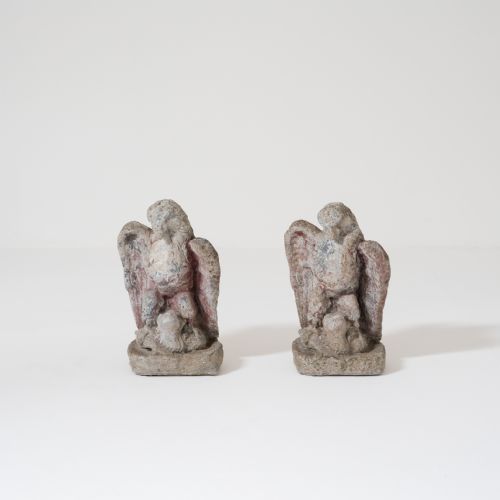
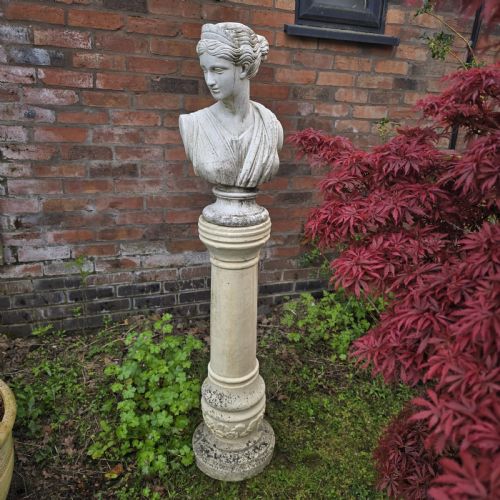
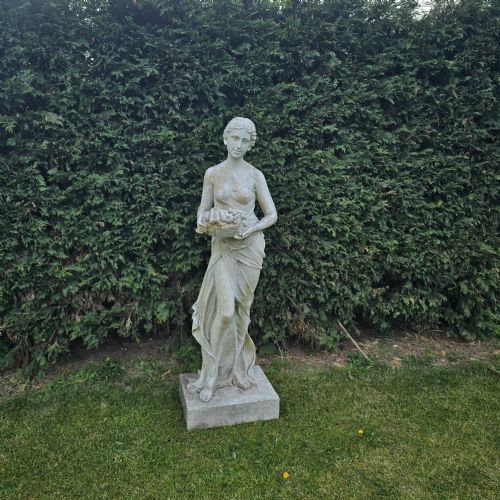

Grey Stone Garden Statue
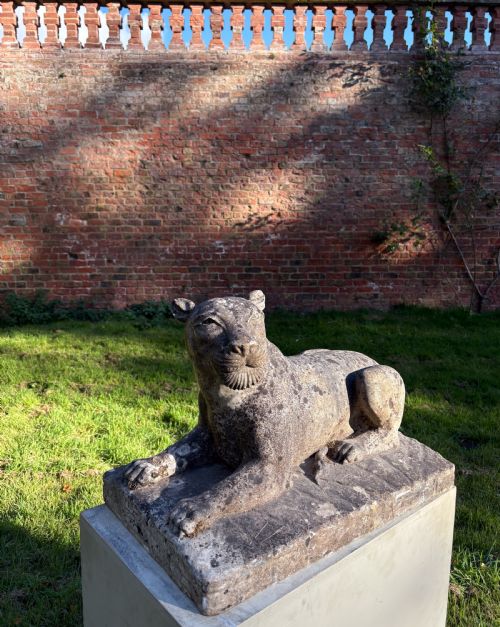
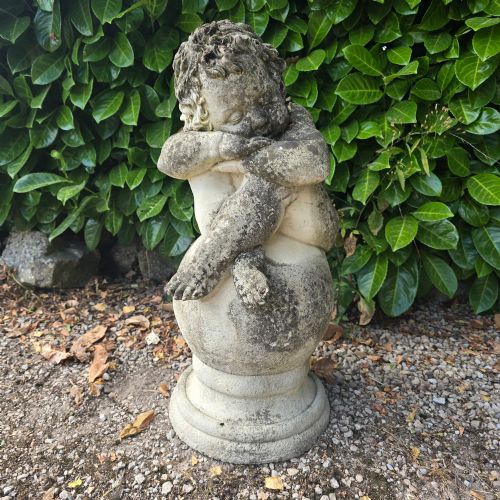
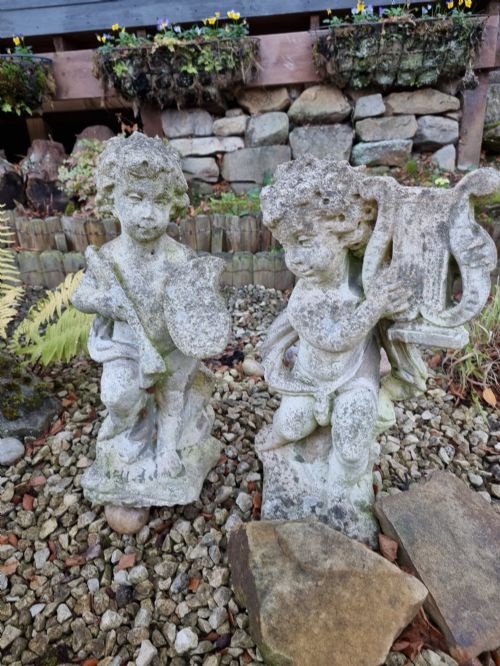
A grey stone garden statue brings enduring Classical presence to an outdoor space, ranging from lions and cherubs to life-sized figures.
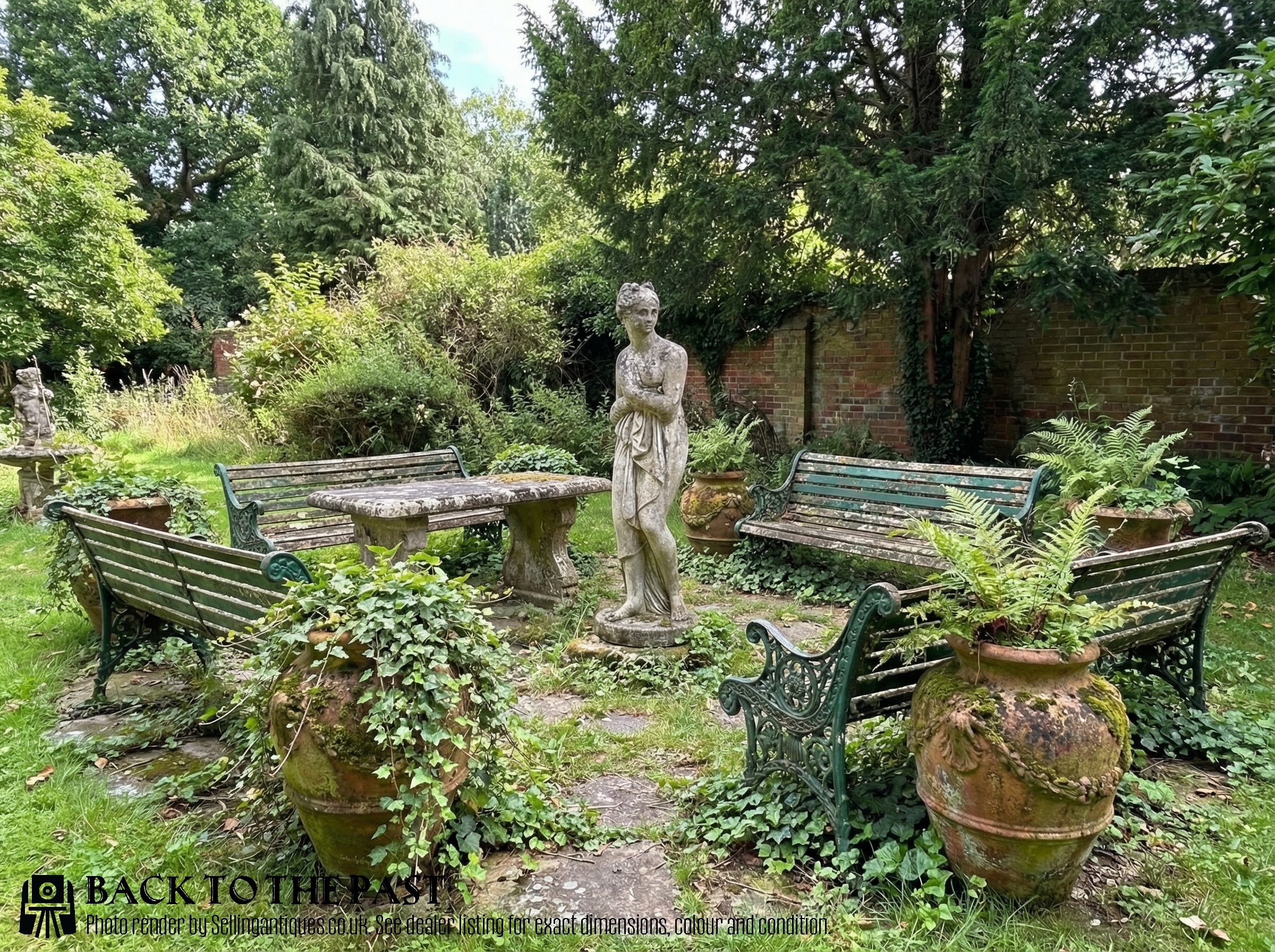
Grey Stone Garden Statue
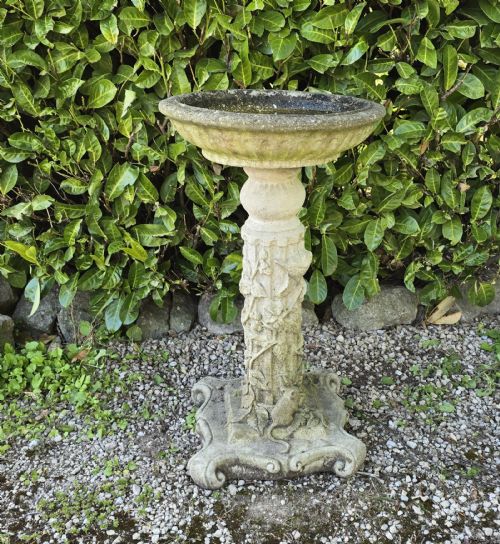
A grey stone garden statue encompasses garden ornaments, bird baths, gate finials, and large sculptural figures created for exterior settings. The pieces available span from pre-sixteenth century carvings to twentieth-century compositions, drawing on Neoclassical, English Country, and Classical Revival styles.
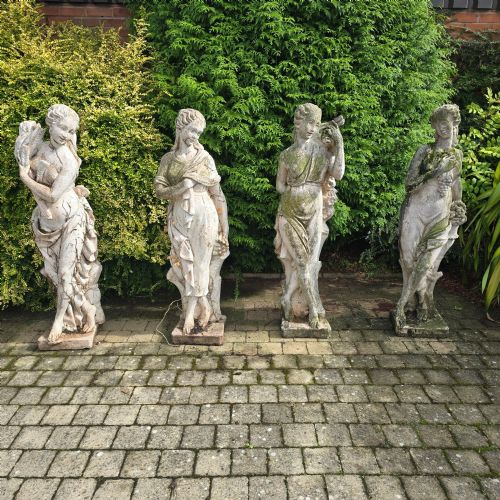
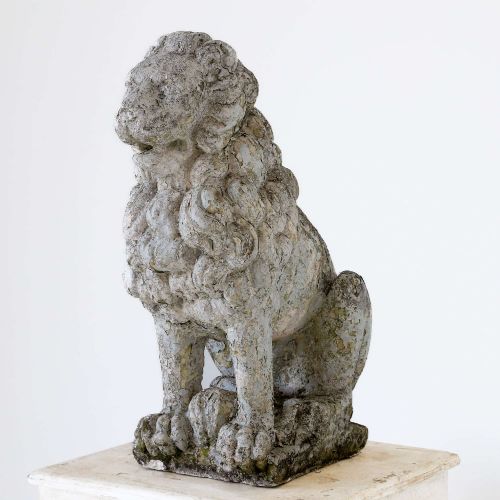
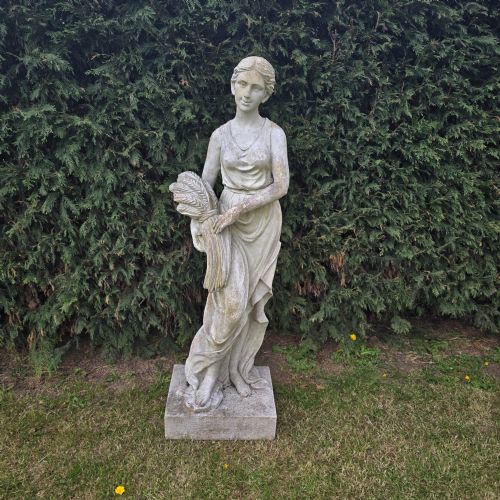
The selections most frequently met on this page include cast and reconstituted stone lions, cherubs, busts of figures such as Athena and David, and allegories representing the Four Seasons. These objects often incorporate pedestals or plinths to elevate the sculpture within the garden landscape.
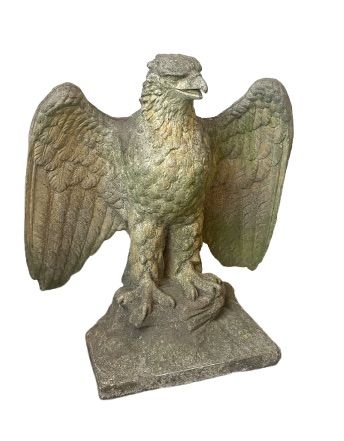
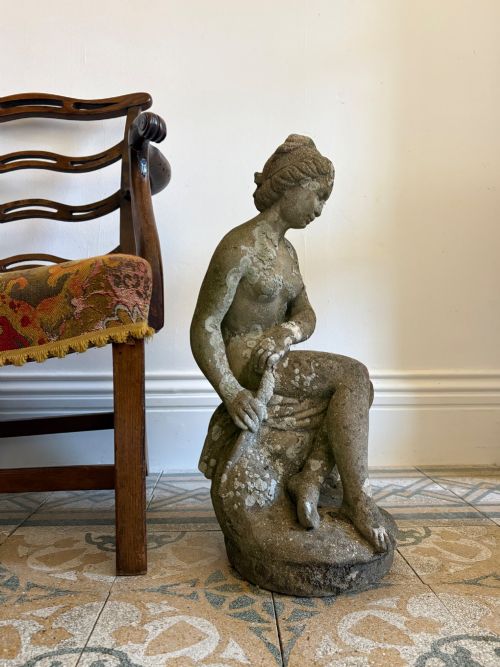
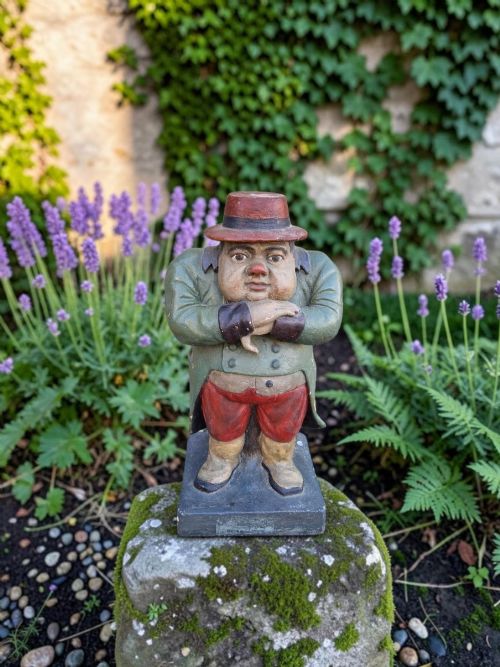
Origins range widely across periods, including eighteenth-century Cornish granite staddle stones, nineteenth-century stoneware figures, and mid-twentieth-century cast stone animals. Forms extend from life-sized representations of ladies to architectural ornaments and post finials.
Materials and Techniques
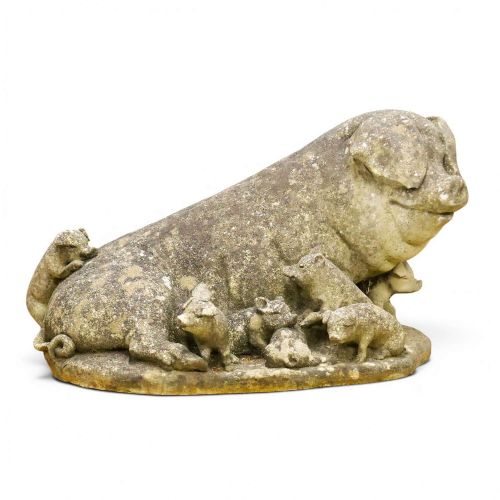
Makers utilised reconstituted stone, cast stone, concrete, and composition stone poured into moulds to form durable garden ornaments and animal figures. These cast materials often received surface treatments such as original old paint to emulate natural weathered surfaces.
Traditional masonry involved carved stone, Cornish granite, stoneware, and marble shaped by hand into architectural elements, baskets, and sculptural figures. Salt-glazed pottery and terracotta also served for figures like garden lions on bases.
Exposure to the elements created the well-weathered patinas visible on many pieces, softening the edges of cast and carved surfaces over decades of outdoor placement.
Grey Stone Garden Statue Retail Price Guide 2026
Typical asking prices for grey stone garden statue among the pieces listed under this phrase on Sellingantiques today, from the lower quarter to the upper quarter. They describe what is for sale here now, not the wider market.
Materials include reconstituted stone, Cornish granite, marble, and salt-glazed pottery shaped into animals, busts, and architectural finials.
Assessing Quality
The choice of material significantly influences the character and longevity of the piece, with dense carved granite, marble, and high-grade stoneware holding finer detail than basic concrete mixes. Original surface treatments and genuine age-related weathering add depth to the material.
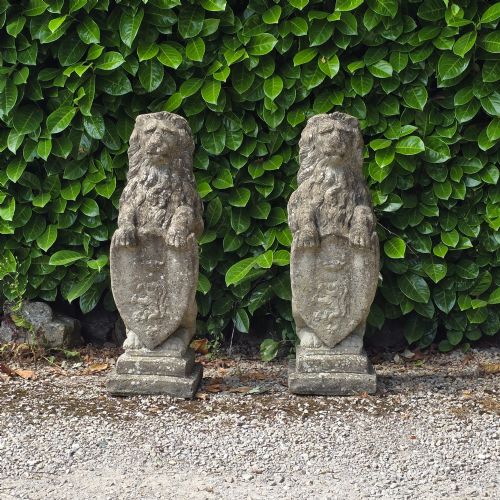
Proportion and scale dictate the visual success of statues paired with plinths, finials, or matching sets such as the Four Seasons. Balanced symmetry in pairs of lions or architectural guardians reflects deliberate design and careful manufacture.
Hurlford Kilmarnock
The Grey Stone Garden Statue Glossary
- Reconstituted stone
- Manufactured material composed of crushed stone or aggregate mixed with a binder, moulded into architectural ornaments and statues. This technique allowed workshops to replicate carved stone forms reliably.
- Staddle stone
- Architectural mushroom-shaped support historically used to elevate granaries off the ground to prevent damp and vermin. These granite or stone structures now function as garden ornaments.
- Finial
- Decorative architectural element placed at the apex of a gate post, wall, or pier. Pairs of stone lions frequently serve this specific structural and ornamental role.
- Composition stone
- Proprietary aggregate mixture used in the twentieth century for durable garden statuary. It offers the appearance of natural stone while facilitating mass production.
- Stoneware
- Impervious ceramic fired at high temperatures, suitable for outdoor statues and bird baths. Salt glazing often provided a textured protective finish to nineteenth-century examples.
Grey Stone Garden Statue: Frequently Asked Questions
How do I care for a stone statue outdoors?
Clean the surface gently with water and a soft brush to remove moss and debris without damaging the weathered patina or original paint.
Protect vulnerable cast stone and concrete pieces from severe frost expansion during winter months where possible.
Are these statues suitable for year-round garden display?
Most pieces formed from cast stone, reconstituted stone, and granite are designed to withstand outdoor conditions permanently.
Pieces featuring delicate carved marble or original old paint benefit from sheltered placement during harsh weather.
How can I tell the age of a garden statue?
Examine the material composition, surface weathering patterns, and tool marks left by the maker during shaping or casting.
Twentieth-century cast pieces often show distinct aggregate textures compared to nineteenth-century stoneware or earlier hand-carved granite.
What is the purpose of a garden plinth?
Plinths and pedestals elevate busts and statues to improve their visibility and presence within a garden layout.
They provide structural stability on lawn or gravel surfaces while referencing Classical architectural display traditions.