

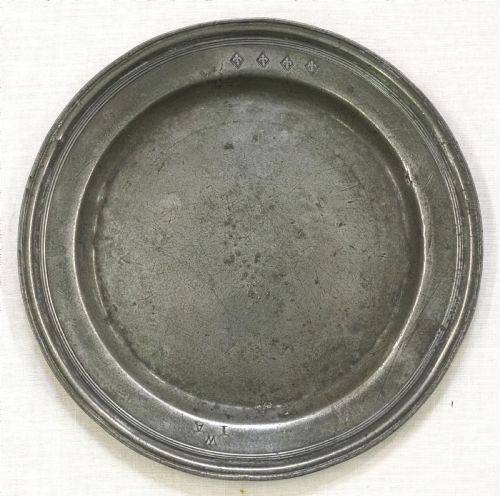
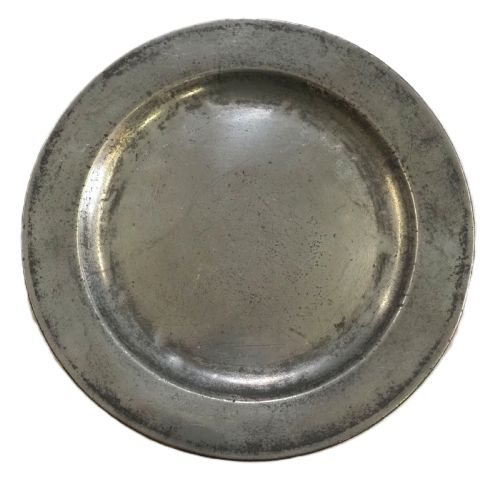


Grey Pewter Plate
When you handle a grey pewter plate, you hold centuries of domestic metalwork shaped by hammer and mould from the Stuart era onward.
Grey Pewter Plate
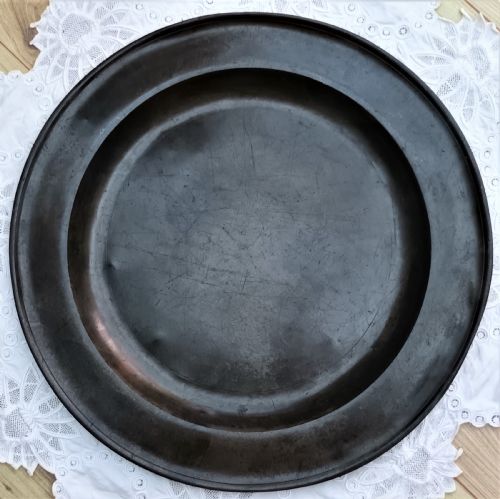
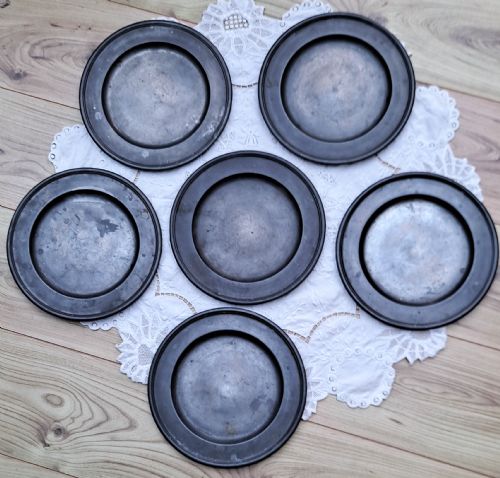
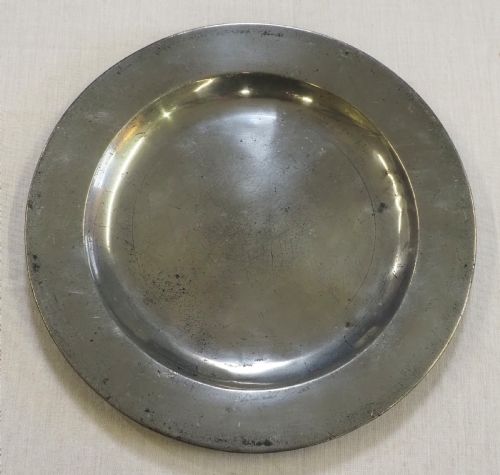
A grey pewter plate is a utilitarian vessel created for dining or display, encompassing circular dishes, deep plates and large chargers across this selection. Most examples you meet here originate in English workshops from the seventeenth and eighteenth centuries, bearing the simple circular forms standard to the period.
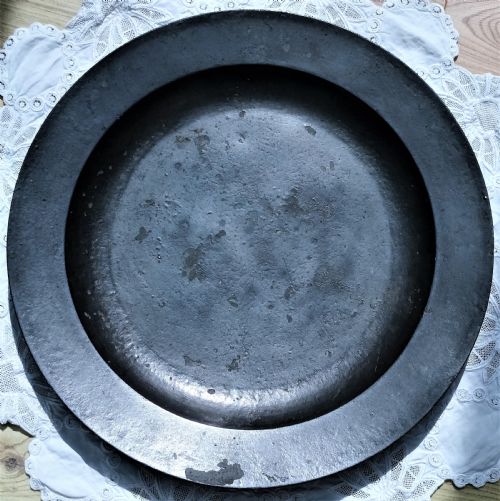
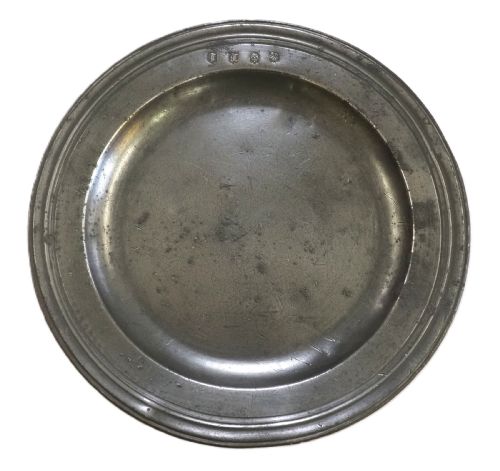
The assortment includes plain rim, triple reeded, multiple reeded and broad rim varieties, alongside rarer incised and wavy edge designs. You will find chargers spanning over twenty inches alongside smaller nine-inch plates, reflecting the diverse scale of historical table service.
How they were made
These items are fashioned from pewter, an alloy primarily of tin combined with lead, copper or antimony to provide rigidity. Metalworkers cast the plates in moulds before hammering them by hand to achieve a dense, durable structure with a characteristic grey surface.
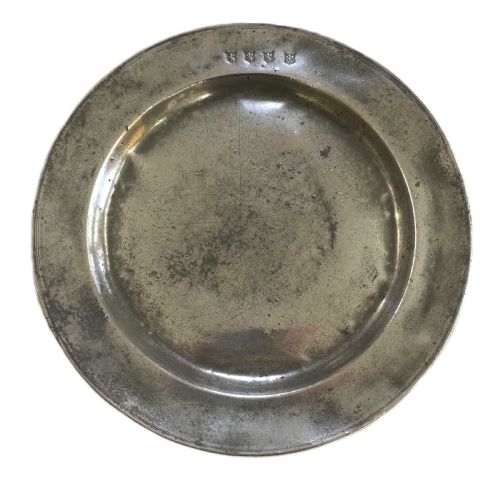
Details such as reeded rims, crests and touchmarks are struck or incised directly into the metal using punches and graving tools. Hammering marks visible across the surface indicate the manual work involved in thinning and shaping the metal plates.
Grey Pewter Plate Retail Price Guide 2026
Typical asking prices for grey pewter plate among the pieces listed under this phrase on Sellingantiques today, from the lower quarter to the upper quarter. They describe what is for sale here now, not the wider market.
Listings feature items spanning the 17th century, 18th century and 19th century, produced in England and wider Europe from pewter.
What varies in quality
Quality rests in the crispness of the maker's touchmarks, the weight of the metal and the presence of hand-beaten hammering across the surface. Finer plates retain their original broad rims and sharp reeding without excessive thinning from centuries of scouring.
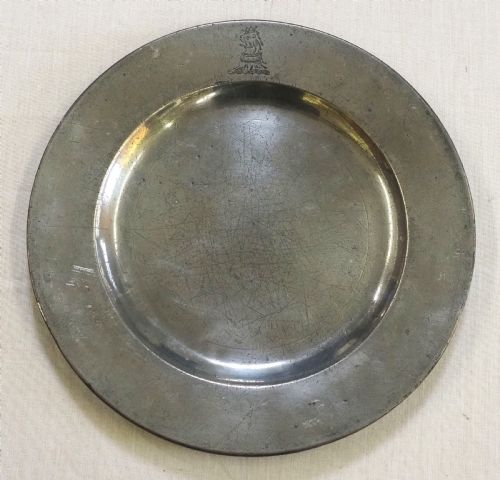
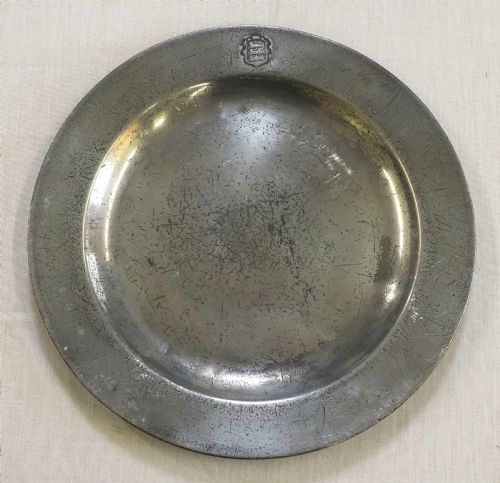
The addition of engraved armorials, crests or commemorative details elevates an ordinary domestic dish into a piece of significant social record. The integrity of the edge, whether plain, reeded or wavy, dictates the visual authority of the charger.
John Duncomb·William Wright·Samuel Smith·T & H Compton·James Spackman·Richard King·Wood & Michell·John Trapp II·John Tubb·Robert Moulins II·Humphrey Evans II·Thomas Alderson·Lawrence Dyer·Thomas Haward·Thomas Powell·Edward Leapidge I·Nehemiah Cloudesley·John Barlow·S Duncomb·Yates, Birch & Spooner
The Grey Pewter Plate Glossary
- Charger
- A large circular plate or dish used historically for serving food at communal tables or as a base for smaller courses. They often measure upwards of sixteen inches across.
- Touchmark
- The individual or guild stamp impressed into pewter by the maker to denote standard and origin. These marks act as signatures for dating and attributing the piece.
- Reeded
- A rim decorated with parallel raised bands or moulding lines running around the circumference. Triple and multiple reeded variants are typical of late seventeenth-century work.
- Broad rim
- A wide, flat outer border characteristic of seventeenth-century chargers, particularly those from the Charles II and Stuart periods. This generous width provides space for armorial crests.
- Plain rim
- A simple, undecorated circular border lacking mouldings or reeding. These plates rely on proportions and metal texture for their visual impact.
Grey Pewter Plate: Frequently Asked Questions
What is a grey pewter plate used for?
Historically, these items served as tableware for dining or as chargers beneath smaller dishes during formal meals. Today, collectors utilise them primarily for wall display or cabinet exhibition.
Their substantial metal weight and subdued grey tone suit traditional interiors and historical collections.
How do I date an antique pewter plate?
Dating relies on the rim style, overall proportions, and touchmarks struck into the metal by the maker. Broader rims and reeded borders typically point to the seventeenth century, while plain rims often span the Georgian era.
Comparing touchmarks against recorded pewterers' registers narrows the decade of production.
What is the difference between a plate and a charger?
Chargers are significantly larger circular vessels, often measuring sixteen to over twenty-three inches across, designed for communal serving. Plates are smaller dining vessels intended for individual use.
Both share similar manufacturing techniques and alloy compositions.
Why do some pewter plates have crests?
Engraved crests and coats of arms indicate original ownership by landed families, civic bodies or institutions. These armorials personalise the vessel and often link the piece to specific historical figures or locations.
Plates bearing crisp crests hold particular interest for social historians.