



Green Wool Turkish Rug
A green wool turkish rug brings genuine Anatolian character into a room, offering rich botanical tones woven by village and city hands over a century ago.
Green Wool Turkish Rug
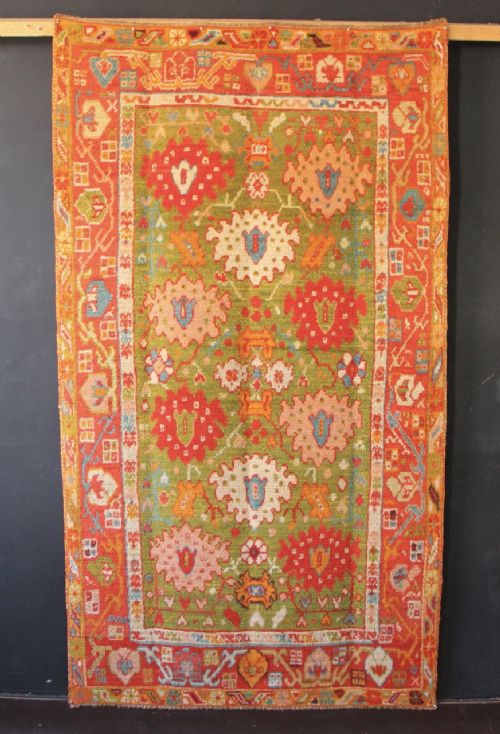
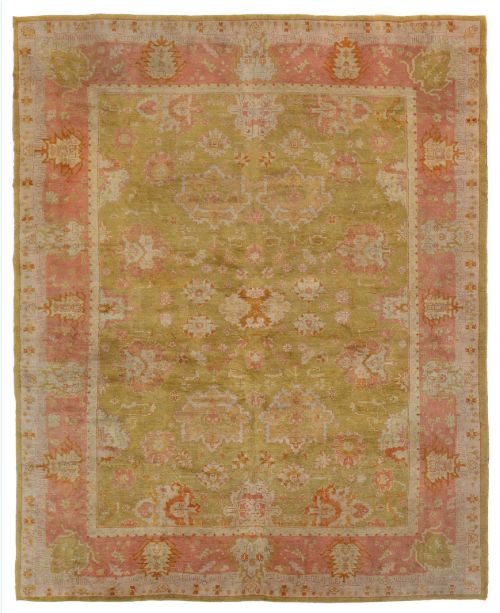
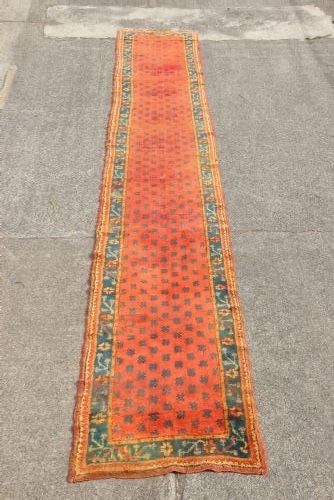
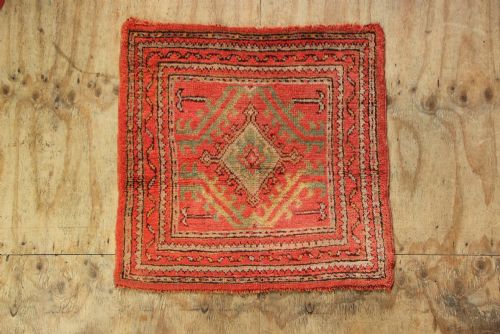
A green wool turkish rug encompasses regional village works and grand city carpets originating from Anatolia, spanning the eighteenth century through to the early decades of the twentieth century. These textiles appear in varied formats, from long narrow runners and square accent pieces to expansive carpets and directional prayer rugs.
The green wool turkish rug you encounter on this page frequently takes the form of an Ushak carpet or a village prayer rug from centres such as Ghiordes, Kirsehir, Konya, or Bergama. These pieces demonstrate traditional Anatolian design vocabulary, where verdant grounds highlight intricate geometric medallions and floral motifs.
Materials and construction methods
Weavers constructed these floor coverings primarily using wool for the pile and foundation structures, occasionally incorporating cotton or angora wool to achieve specific textures and pile heights. Natural dye baths produced the distinctive green fields and contrasting border tones seen across these antique carpets.
Village and workshop makers knotted these textiles by hand onto vertical looms, employing symmetrical or asymmetrical knotting techniques depending on the local tradition. Finished edges and secured ends protected the foundations from fraying during daily use.
Green Wool Turkish Rug Retail Price Guide 2026
Typical asking prices for green wool turkish rug among the pieces listed under this phrase on Sellingantiques today, from the lower quarter to the upper quarter. They describe what is for sale here now, not the wider market.
Listings feature pieces spanning from the eighteenth century through the nineteenth and early twentieth centuries, constructed in wool, cotton, and angora wool.
Distinguishing quality and execution
The standard of a piece rests on the handled density of the wool pile and the precision with which the weaver translated traditional motifs onto the loom. Superior examples maintain crisp medallion outlines and balanced proportions across the field.
Depth and saturation of the dye work also separate exceptional rugs from standard production. Artisans who achieved luminous, even green tones without muddy transitions created pieces that retain visual strength over generations.
The Green Wool Turkish Rug Glossary
- Ushak
- A prominent weaving centre in western Anatolia known for producing large-scale decorative carpets with expansive fields and soft colour palettes.
- Prayer rug
- A devotional textile featuring a central niche or mihrab design that worshippers orientated towards Mecca during daily prayers.
- Kilim
- A flatwoven textile produced without a pile by tightly interweaving warp and weft threads to form geometric patterns.
- Mihrab
- The arched niche depicted on prayer rugs, representing the direction of prayer and serving as the focal point of the composition.
- Anatolian
- Pertaining to the geographic region of Asia Minor, encompassing diverse tribal and village weaving traditions across Turkey.
Green Wool Turkish Rug: Frequently Asked Questions
Where should I place a long runner?
These narrow formats suit hallways, corridors, and long landings where floor coverings soften footsteps and protect timber boards.
Ensure the space allows the piece to lie flat without folding against skirting boards or door swings.
How do I clean an antique wool rug?
Gentle surface brushing and professional dusting remove embedded grit that wears down the foundation fibres over time.
Avoid immersion washing or harsh chemical treatments unless handled by a specialist conservator familiar with natural dyes.
How can I tell a village rug from a city carpet?
Village pieces from places like Bergama or Dazkiri display bolder geometric patterns and heavier wool handles.
City workshops in Ushak or Hereke generally produced finer knotting, curved floral motifs, and more expansive symmetrical fields.
Why do green backgrounds appear uncommon?
Green dye recipes in nineteenth-century Anatolia required complex combinations of yellow and blue vats that proved difficult to fix consistently.
Consequently, surviving examples with verdant fields remain scarce compared to red or blue ground counterparts.