

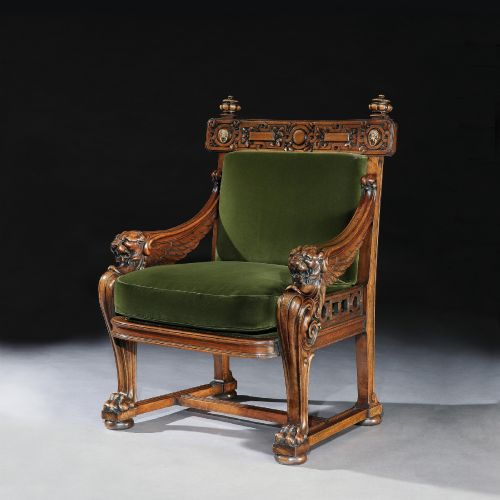
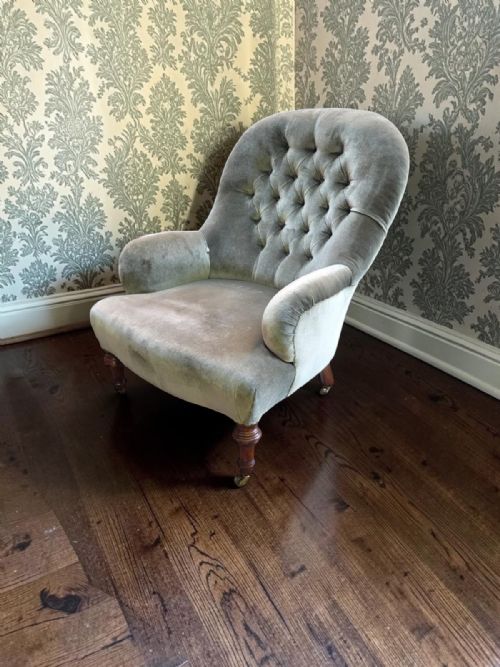
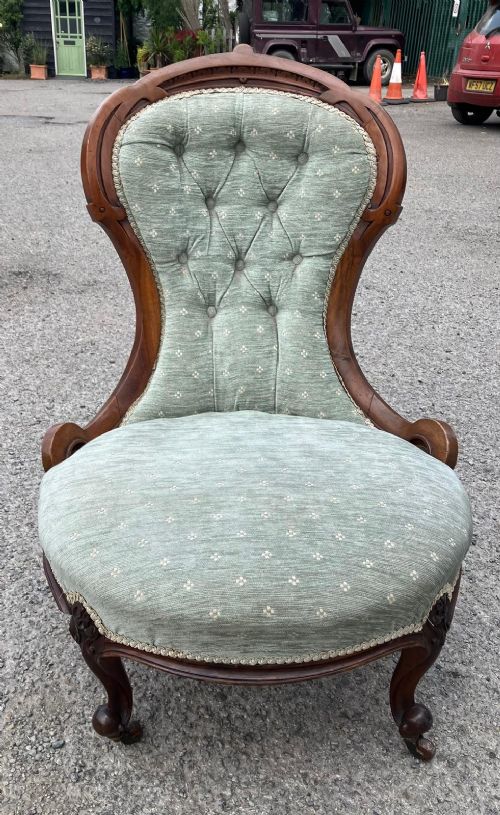
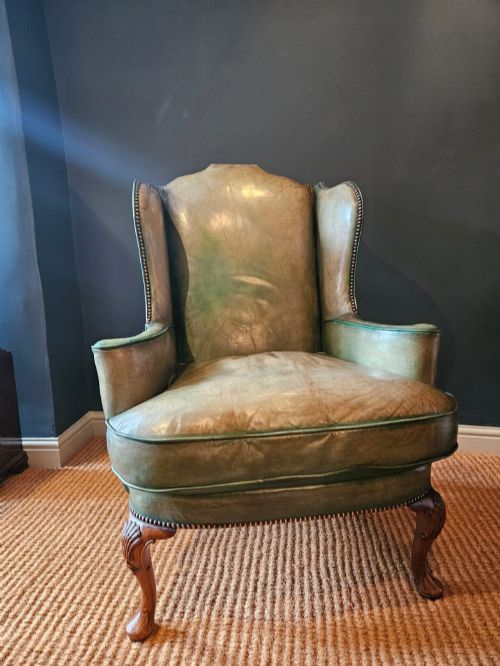

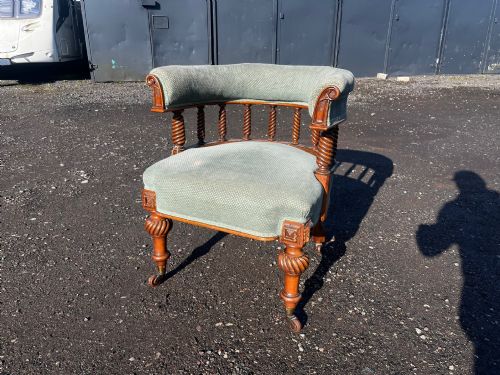

Green Walnut Armchair
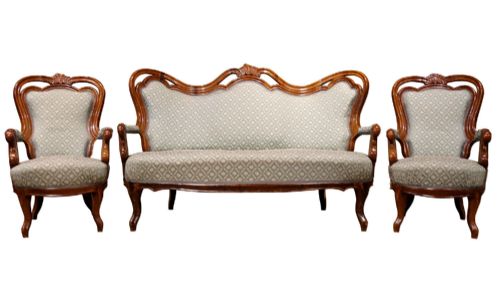
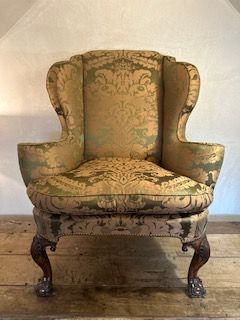
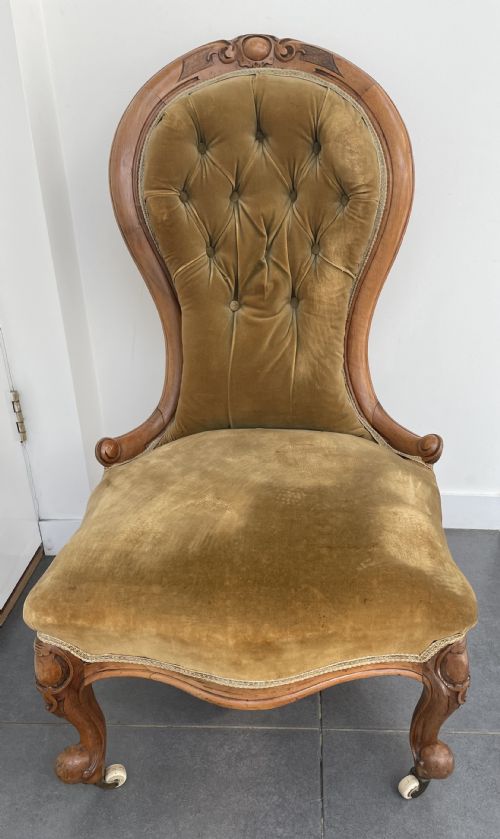
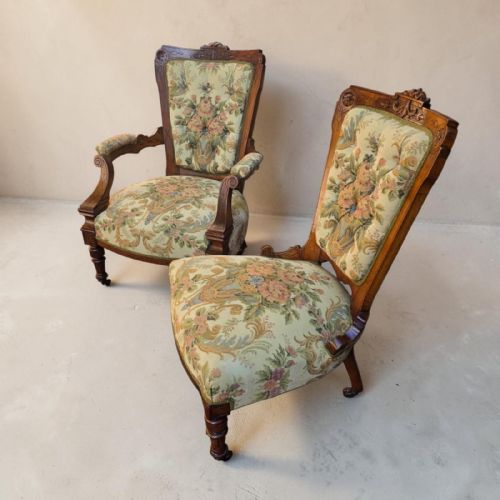
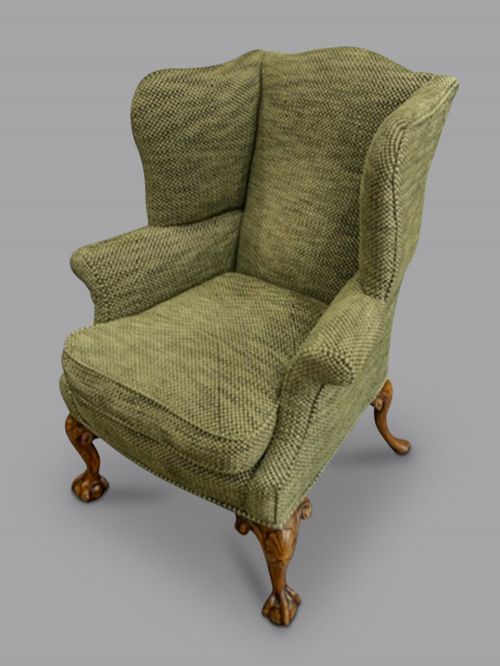
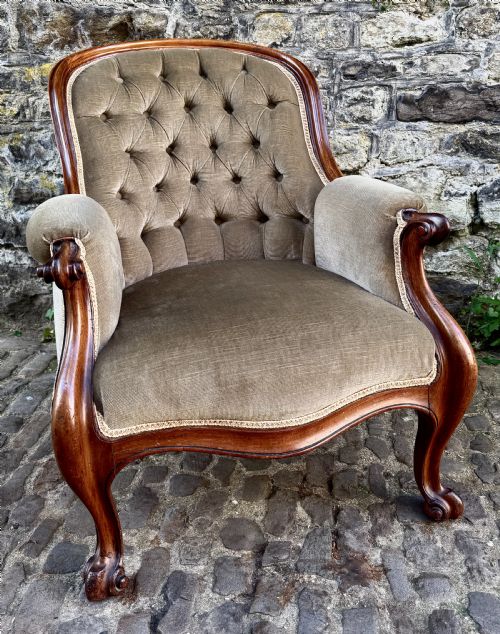
A green walnut armchair offers solid timber framing paired with distinctive textile upholstery, ranging from compact salon seats to expansive wingbacks.
Green Walnut Armchair
A green walnut armchair encompasses various seating forms encountered across multiple centuries, including occasional chairs, wing chairs, and desk chairs. These pieces emerge from periods such as the Victorian era, the eighteenth century, and the early twentieth century.
The selections available on this page lean heavily toward nineteenth-century Victorian pieces alongside eighteenth-century examples and early twentieth-century revivals. Buyers frequently encounter diverse styles like Queen Anne, Rococo Revival, and Georgian within these listings.
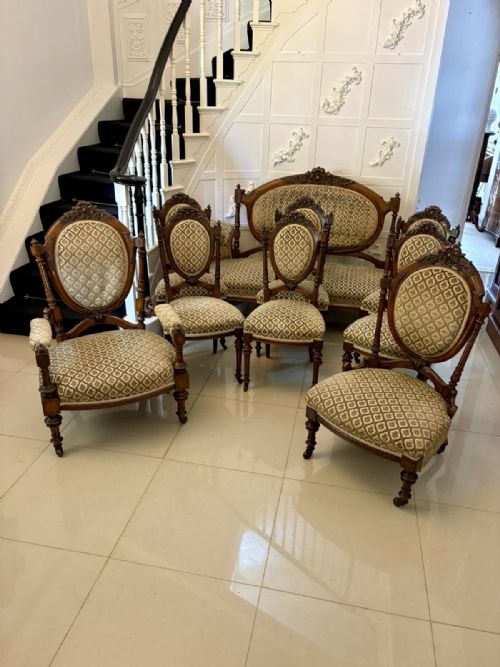
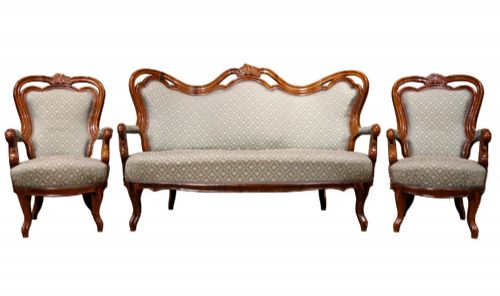
Makers and workshops across Britain and continental Europe utilised walnut timber to construct these armchairs, frequently incorporating matching salon suites or individual library seats. The resulting forms serve both formal reception rooms and private studies.
Materials and construction methods
The structural framework relies upon walnut timber, shaped through carving, turning, and joinery techniques to form cabriole legs, barley twist supports, or carved arms. Artisans utilised brass hardware and inlaid details to accent the wooden frames.
Upholstery forms a vital component of construction, employing textiles such as velvet, leather, tapestry fabric, and needlepoint. Makers secured these coverings over button backs, sprung seats, and padded armrests using traditional stuffing methods.
Listings feature walnut framing paired with diverse textiles including velvet, leather, and tapestry across Victorian, Georgian, and Edwardian periods.
Assessing quality in walnut armchairs
The standard of carving and the crispness of detail on the walnut frame separate standard pieces from exhibition quality examples. Superior pieces display deeply sculpted woodwork, balanced proportions, and integrated design motifs across the legs and arms.
The integrity of the original upholstery materials, including needlepoint, leather, or tapestry, influences the overall character of the chair. Pieces retaining period fabric or substantial framing demonstrate higher craftsmanship.
J. & T. Scott·Howard and Sons
The Green Walnut Armchair Glossary
- Cabriole leg
- A furniture leg that curves outward at the knee and tapers inward at the ankle, often ending in a pad or claw foot. This form draws inspiration from animal limbs and appears frequently on eighteenth-century pieces.
- Wingback
- An armchair featuring side panels attached to the back, designed to shield the occupant from drafts. These chairs typically incorporate upholstered sides and deep seats.
- Needlepoint
- A type of canvas work embroidery used for upholstery on historical chairs. Artisans stitch dense patterns using wool or silk yarn directly onto a mesh backing.
- Marquetry
- The art of applying pieces of veneer to a structure to form decorative patterns. Craftsmen use contrasting woods to create intricate pictorial designs on furniture surfaces.
Green Walnut Armchair: Frequently Asked Questions
How do I identify a Victorian green walnut armchair?
Victorian examples frequently display darker walnut framing with carved details, button-backed upholstery, or turned wooden supports. These pieces often align with revival styles popular during the nineteenth century.
Examinations of the underside and frame construction help distinguish mid-nineteenth-century manufacturing techniques from later twentieth-century reproductions.
What rooms suit a walnut wing armchair?
A walnut wing armchair fits well in a study, library, or living room where its substantial wooden frame and upholstered back provide structured seating. The traditional proportions anchor large spaces effectively.
Placing the chair away from direct heat sources helps preserve both the walnut timber and the textile upholstery over time.
How should I care for leather upholstery on an antique chair?
Leather upholstery requires gentle cleaning with appropriate conditioning products to maintain suppleness and prevent the material from drying out. Avoid harsh chemical cleaners that strip natural oils.
Keeping the chair away from direct sunlight protects both the leather surface and the underlying walnut frame from fading.
What is the difference between an occasional chair and a salon chair?
An occasional chair is typically a light, movable seat designed to be brought out as needed for extra seating in a room. A salon chair is usually part of a larger matched suite intended for formal entertaining.
Salon chairs often feature more elaborate decorative carving and matching fabric upholstery suited to formal reception spaces.