



Antique Italian Chairs
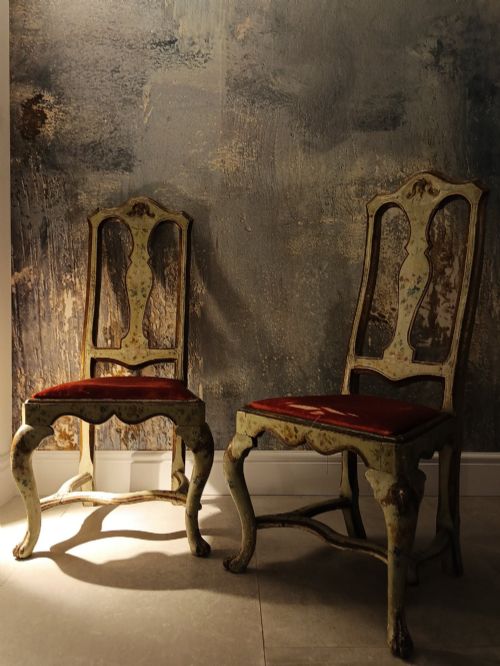
These antique italian chairs span centuries of timber carving and giltwood finish, offering rich regional forms from Venetian gondola seats to sturdy hall benches.
Antique Italian Chairs
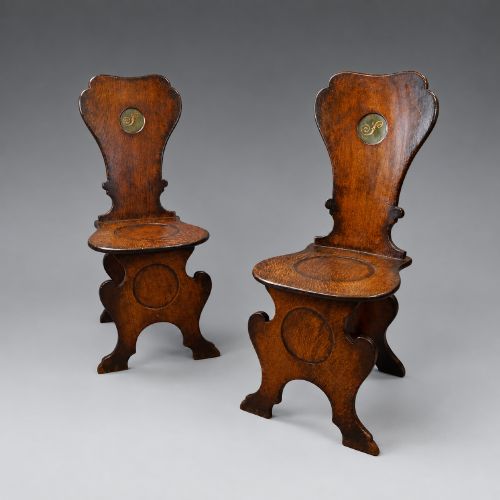
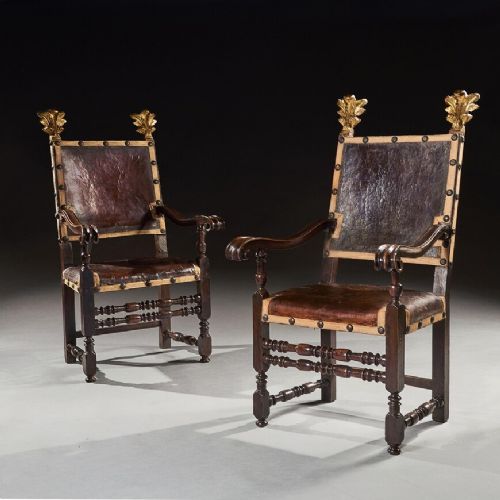
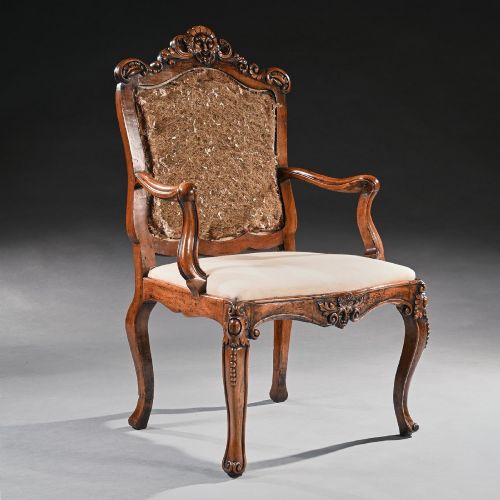
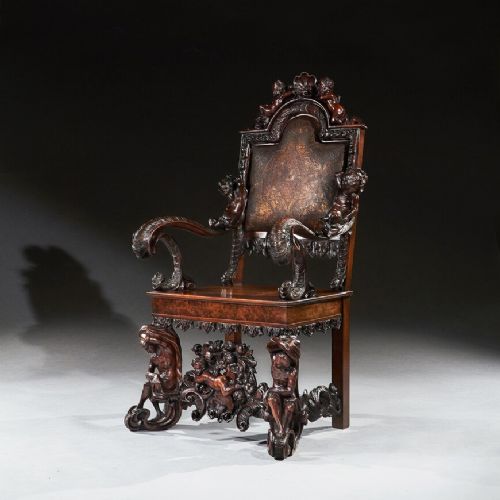
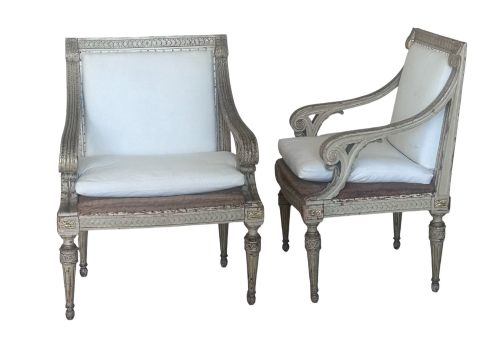
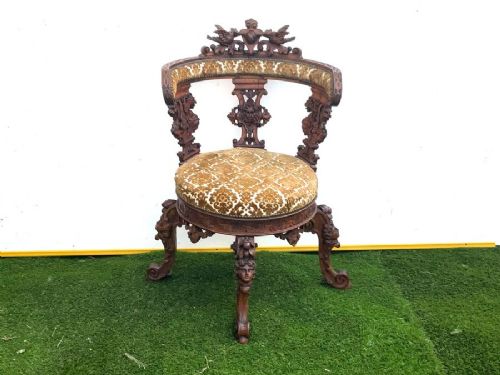
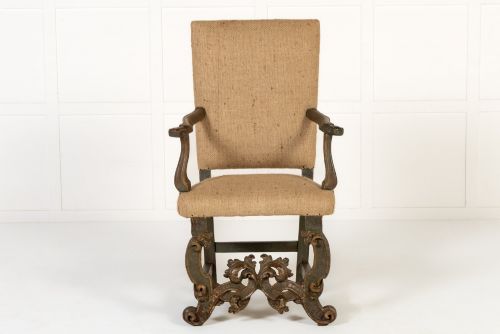
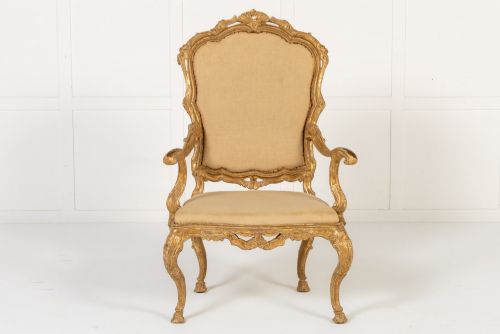
When you search for antique italian chairs, you encounter a diverse range of seating encompassing everything from humble oak sgabello hall chairs to grand walnut armchairs and gilded salon suites. The examples appearing here stretch across multiple centuries, featuring regional expressions from Piedmont, Lombardy, and Venice alongside classic Baroque and Rococo designs.
Buyers most frequently meet nineteenth-century interpretations alongside eighteenth-century originals, spanning armchairs, side chairs, and specialised forms like X-framed stools and gondola chairs. These pieces reflect varied domestic functions, transitioning from formal audience rooms and narrow hallways to intimate corners and grand reception spaces.
Materials and Technique
Makers relied heavily on solid walnut and oak for structural integrity, shaping dense timber through hand carving to achieve deep relief work and elaborate figural elements. Surface decoration often involved gesso, gold leaf, silver gilt, and paint applied directly to the carved wood.
Joinery techniques ranged from traditional mortise and tenon construction to intricate bobbin turning and bone inlay. Upholstered variants integrated supportive fabrics, leather, and needlework fixed directly to the wooden frame.
Antique Italian Chairs Retail Price Guide 2026
Typical asking prices for italian chairs among the pieces listed under this phrase on Sellingantiques today, from the lower quarter to the upper quarter. They describe what is for sale here now, not the wider market.
Early hall benches from Lombardy were built sturdy enough to survive centuries of boots, children, and dropping parcels in drafty Italian corridors.
Distinctions in Execution
The distinction between ordinary seating and exceptional work lies in the crispness and depth of the hand carving, particularly along head rails, crests, and arms. Master carvers achieved fluid lines and intricate sculptural details that lesser workshops rendered with rigidity and shallow relief.
Proportion and the integrity of the original surface finish dictate the standing of a piece. Original gilding, untouched paint layers, and patinated walnut elevate the historical value far above examples that have undergone heavy structural intervention or unsympathetic overpainting.
White Allom and Co·Henry Thomas Peters·Andrea Brustolon
The Antique Italian Chairs Glossary
- Sgabello
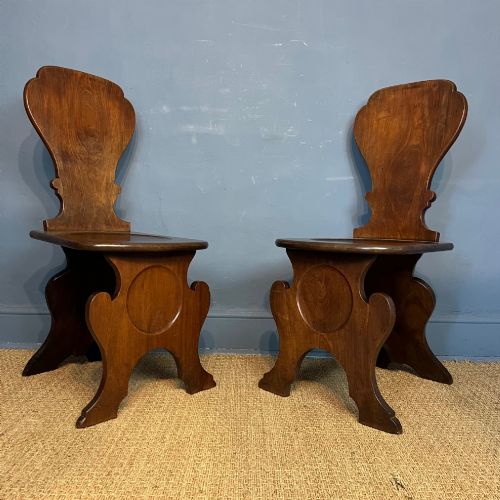
- A lightweight wooden hall chair featuring a high back and trestle supports instead of conventional legs. These pieces were historically positioned in hallways for temporary seating.
- Giltwood
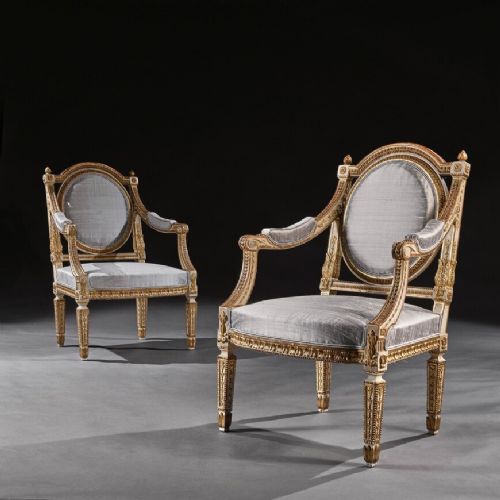
- Timber coated with gold leaf over a prepared gesso ground. This finish catches candlelight and natural illumination in formal rooms.
- Barocchetto
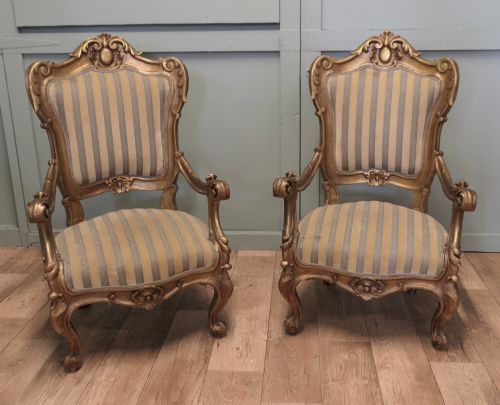
- An Italian variation of the Rococo style characterised by asymmetrical curves and playful ornamentation. It appears frequently on mid-eighteenth-century seating.
- X-Framed Stool
- A folding or rigid seat constructed with intersecting diagonal supports forming an X shape. This ancient form enjoyed revivals during the Renaissance and nineteenth century.
- Gondola Chair
- An upholstered seating form with a curved, enclosing backrest resembling the traditional Venetian boat. These pieces often feature compact proportions for corner placement.
Antique Italian Chairs: Frequently Asked Questions
How do I spot a reproduction?
Examine the tooling marks on the timber and the consistency of the wear patterns across high-contact zones. Authentic pieces display tool work appropriate to their era rather than uniform modern machine cutting.
Check the timber shrinkage and the composition of the underlying gesso or primer layers. Genuine older pieces exhibit natural micro-cracking and timber movement that synthetic reproductions fail to replicate convincingly.
Where should I place a hall chair?
Hall chairs work best against narrow walls, in entranceways, or as sculptural accent pieces in larger living spaces. Their shallow profiles allow them to fit into compact areas without blocking movement.
Because many historic examples feature rigid wooden seats rather than upholstery, they function primarily as visual focal points or transient seating rather than long-term lounging chairs.
What defines Baroque revival?
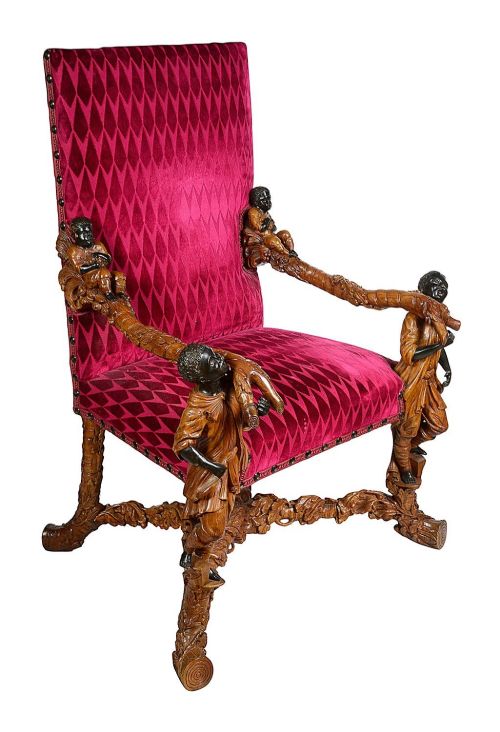
Baroque revival pieces replicate the heavy scale, dramatic carving, and ornate scrolls of the seventeenth century while incorporating nineteenth-century construction methods. These chairs often utilise dense walnut and bold figurative elements.
Distinguishing original Baroque work from revival copies requires careful examination of internal framing timbers and secondary woods. Nineteenth-century interpretations generally show machine-sawn components hidden beneath hand-finished exteriors.