




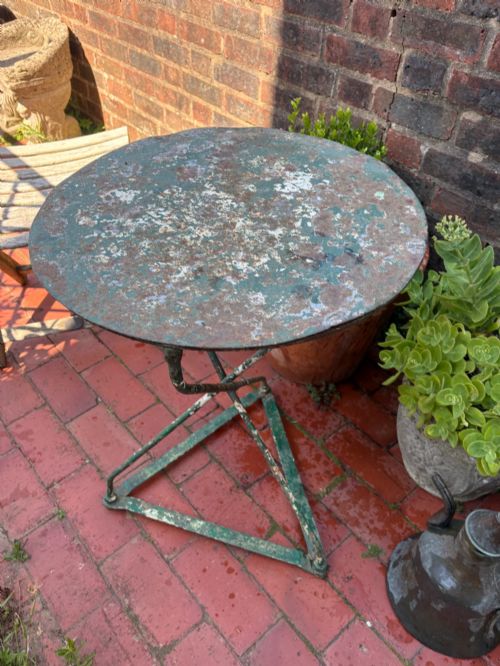

Green Plant Stand
A green plant stand brings architectural height and living foliage together, drawing the eye upwards with natural stone, painted timber or cast iron.
Green Plant Stand
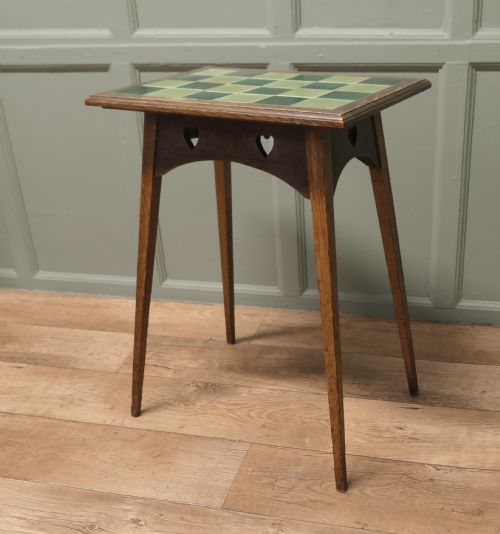
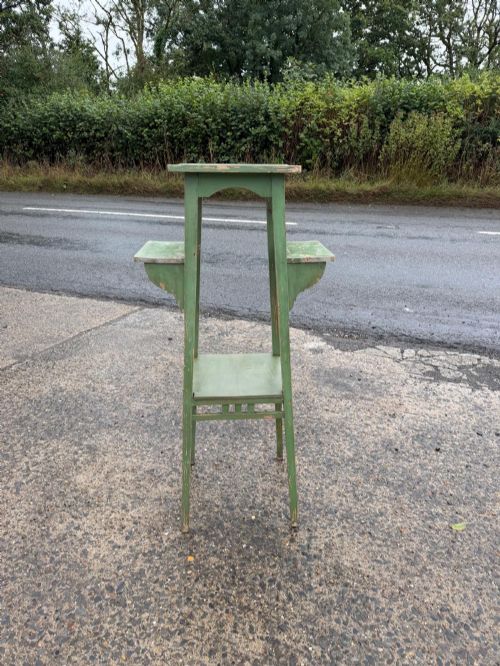
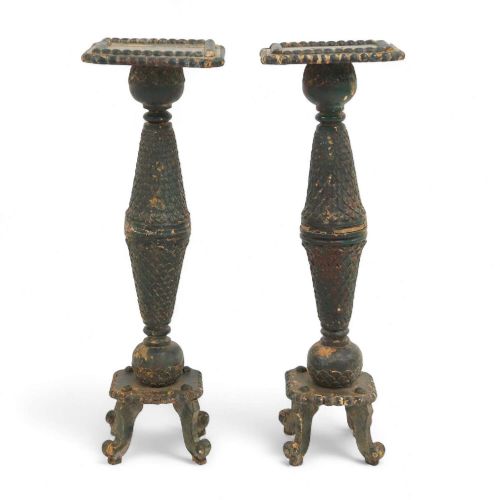
A green plant stand serves to elevate greenery, jardinières and sculptural urns within a room, utilising vertical space effectively. When searching for a green plant stand, buyers encounter diverse forms ranging from slender columns and torchères to tiled occasional tables and heavy garden planters.
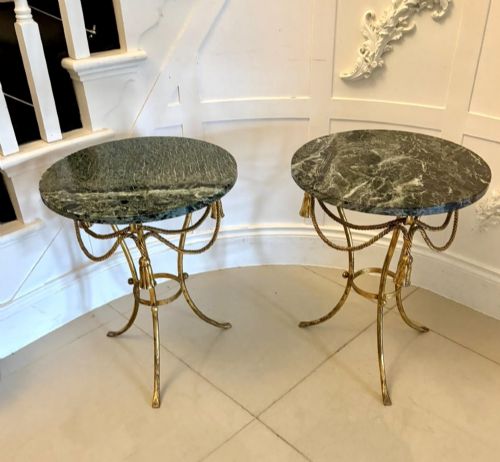
The selections span the nineteenth century through the early decades of the twentieth century, reflecting periods such as the Victorian era, Regency, and Art Nouveau. Materials vary widely, encompassing rich marbles like verde antico alongside wrought iron, oak, mahogany, and original painted finishes.
How they were made
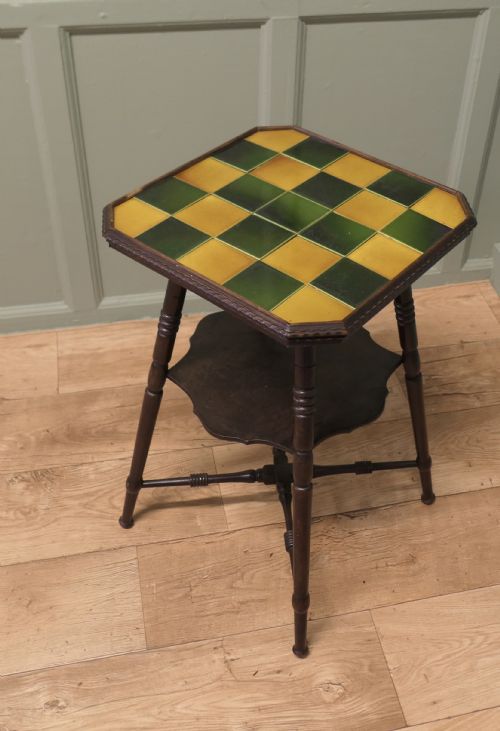
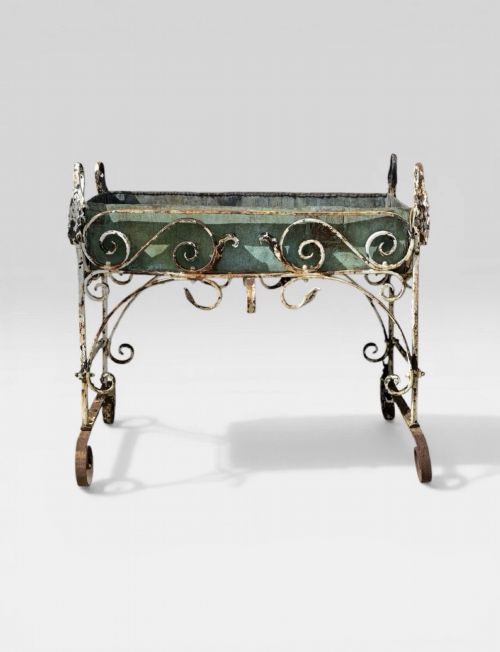
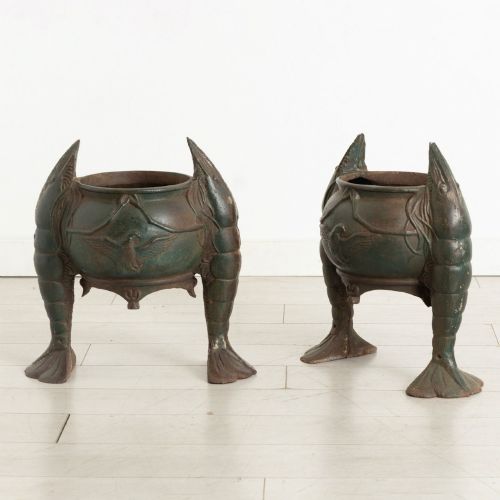
Construction relies heavily on durable hardwoods like oak and mahogany, often paired with decorative ceramic tiles or inset marble tops. Ironworks utilise cast and wrought techniques to form robust garden planters, urns, and tripods.
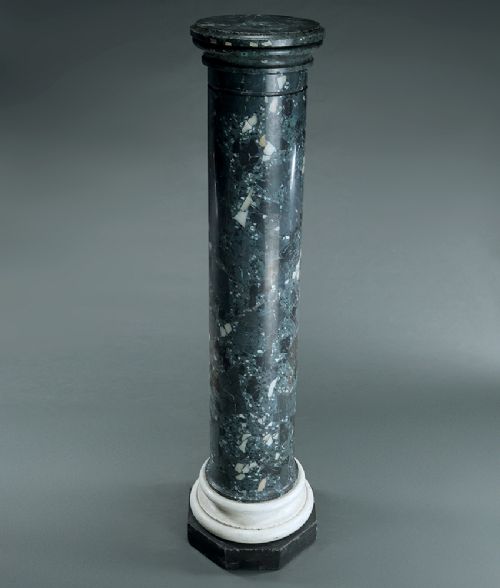
Stonework relies on carved scagliola and various green marbles, shaped into smooth classical columns and pedestals. Surface treatments include original decorative paint layers and gilt metal accents.
Listings feature nineteenth-century cast iron urns alongside oak tables with Art Nouveau ceramic tiles.
What varies in quality
Material selection dictates the upper tier of the range, with solid variegated green marbles, finely carved woodwork, and intact original paint surfaces commanding attention. The integration of maker-marked ceramic tiles or specialist foundry work elevates individual pieces significantly.
Structural integrity and the preservation of original patination separate utilitarian items from finer decorative examples. Subtle details in neoclassical carving and quality metalwork define the distinction between standard production and exceptional workshop output.
Liberty London·Shapland and Petter·Minton·Julius Dressler
The Green Plant Stand Glossary
- Pedestal
- A structural support or column designed to elevate a bust, urn or plant. These architectural elements provide height and stability in interior spaces.
- Jardiniere
- An ornamental pot or stand intended for holding plants and flowers. They frequently appear in ceramic, majolica or cast iron.
- Scagliola
- A composite material made from selenite, glue and pigments, mimicking true marble. Artisans use this technique to create smooth columns and tabletops.
- Torchiere
- A tall standing light or plant stand originating from classical forms. They introduce vertical emphasis to room corners.
- Verde Antico
- A dark green serpentine marble often interspersed with white calcite veins. Italian quarries supplied much of this decorative stone for nineteenth-century columns.
Green Plant Stand: Frequently Asked Questions
Where should I place a plant stand?
These pieces suit corners, window recesses, or empty wall spaces where height creates visual balance. They work well paired with trailing foliage or heavy ceramic pots.
Ensure the surface supports the weight of your chosen container, particularly with marble columns or iron urns.
How do I care for antique marble?
Dust surfaces regularly with a soft dry cloth and avoid harsh acidic cleaners that etch stone. Use protective pads beneath heavy pots to prevent scratching.
Wax can be applied sparingly to maintain the polish on timber elements associated with these stands.
Can I use these stands outdoors?
Cast iron and wrought iron planters endure outdoor patio conditions when properly maintained against weathering. Painted wooden items and scagliola marble columns belong indoors to protect their finishes.
Check material specifications before exposing any antique piece to moisture.
What is the difference between a pedestal and a table?
Pedestals focus on vertical elevation with a narrow top designed for a single focal object or plant. Occasional tables provide broader surfaces intended for lamps and decorative items.
Some hybrid designs incorporate tiled tops within a table frame for dual utility.