




Green Pine Dresser
A green pine dresser brings honest utility and quiet colour to a room, offering practical storage with the enduring charm of vernacular woodwork.
Green Pine Dresser
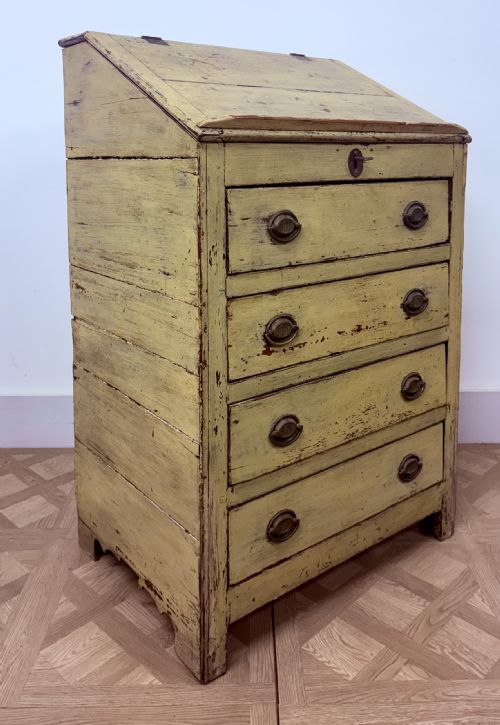
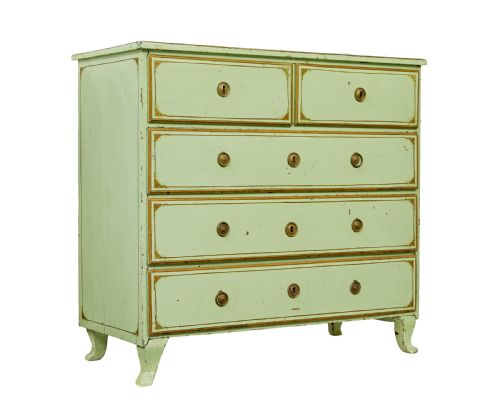
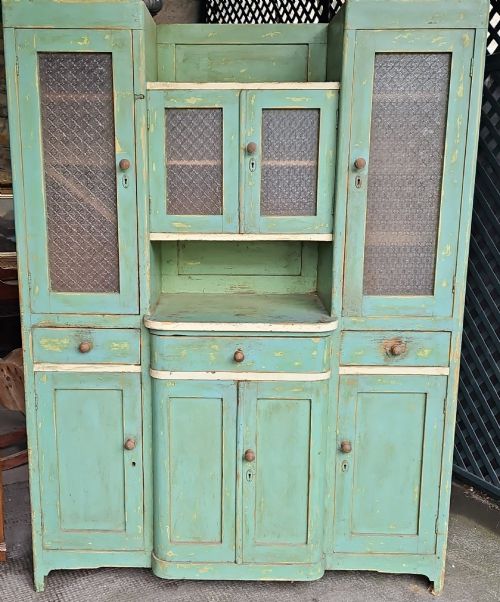
A green pine dresser is a functional kitchen or dining piece designed for storage and display, most frequently encountered in nineteenth-century English and continental vernacular forms. These sturdy items range from open-shelf dressers and pot board bases to enclosed cupboards and food safes, built to serve daily domestic life in country houses, dairies, and farmhouses.
The pieces appearing in this selection reflect diverse regional traditions, spanning English country workshops, Scottish households, and Scandinavian folk art. Buyers will regularly find nineteenth-century examples alongside eighteenth-century Georgian foundations, Edwardian utility items, and regional specialities like West Country dressers or dog kennel bases.
How they were made
Makers constructed these carcasses predominantly from solid pine, utilising timber planking for backboards, drawer sides, and top surfaces. Structural stability relied on traditional joinery techniques, paired with iron or brass fixings and occasionally textured glass panels for upper cabinet doors.
Surfaces frequently received layers of paint, including traditional scumble finishes, lime green tones, and hand-applied rural pigments. This painted skin protected the softwood beneath while giving the furniture its characteristic rustic appearance.
What varies in quality
Quality rests primarily in the integrity of the timber and the survival of early or original paint surfaces. Pieces retaining their initial finish or showing honest patination from decades of domestic use stand apart from later repaintings or heavily restored examples.
Proportion and regional carpentry detail also separate standard utility items from finer vernacular work. Well-balanced cornices, tight joinery in the drawer construction, and original hardware all indicate superior craftsmanship within the country tradition.
The Green Pine Dresser Glossary
- Dresser base
- The lower section of a kitchen dresser, often constructed with drawers and cupboards beneath a solid wooden top without upper plate racks.
- Scumble paint
- A decorative translucent glaze manipulated over a lighter base coat to imitate grain or create mottled, aged textures on softwood.
- Pot board
- An open lower shelf built into a dresser base, traditionally used for storing heavy pots and culinary vessels.
- Dog kennel dresser
- A regional furniture form featuring a central recessed space flanked by banks of drawers or cupboards beneath the main surface.
- Vernacular furniture
- Domestic pieces made by local joiners and country craftsmen for everyday use rather than high-style urban consumption.
Green Pine Dresser: Frequently Asked Questions
How do I care for antique pine?
Softwood furniture responds best to stable indoor humidity and gentle cleaning with a dry or slightly damp cloth. Avoid harsh chemical polishes that can soften or degrade historic painted finishes.
Allowing the wood to breathe and keeping it away from direct heat sources preserves the structural integrity of the pine and protects the original surface patination.
Are these pieces strictly English?
While many examples originate from English counties like the West Country or Somerset, the selection regularly includes continental pieces. Swedish, Danish, and Hungarian cupboards and commodes appear alongside domestic items.
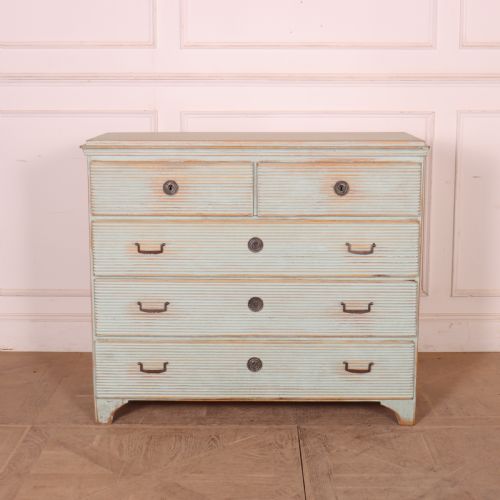
These continental examples often display distinct regional traits, such as fluted drawer fronts, Gustavian lines, or vibrant folk art paintwork.
How can I tell the age?
Dating relies on construction methods, timber selection, and nail types, alongside the style of the hardware and mouldings. Eighteenth-century pieces typically show hand-planed surfaces and pegged joinery, while nineteenth-century items introduce machine-sawn elements.
The presence of original paint layers and handwritten maker or owner marks can also provide clues to a piece's chronological origin.