

Traditional Pine Storage
Traditional pine storage brings practical utility and honest warmth into domestic spaces through enduring forms built to hold everyday household goods.
Traditional Pine Storage
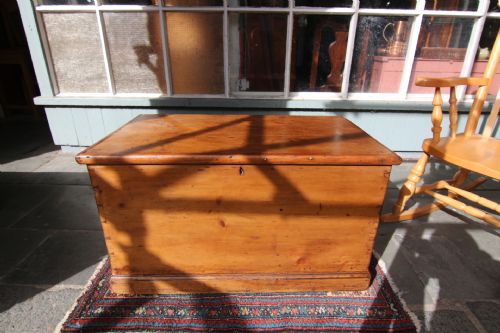
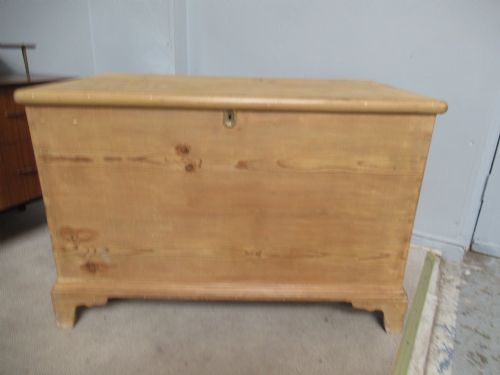
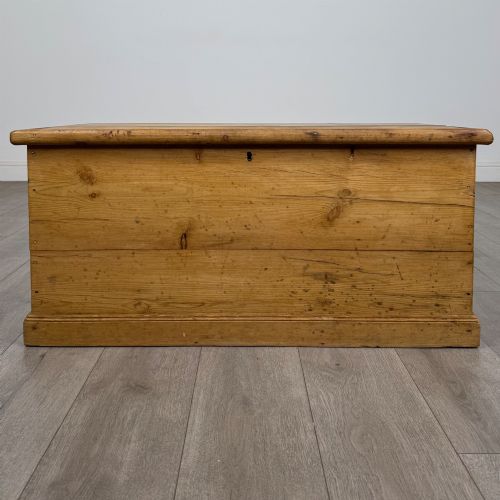
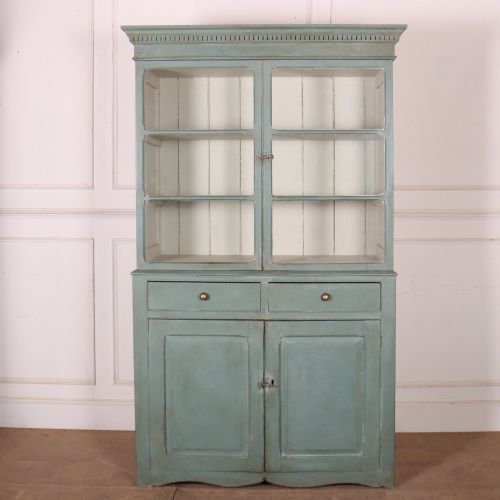
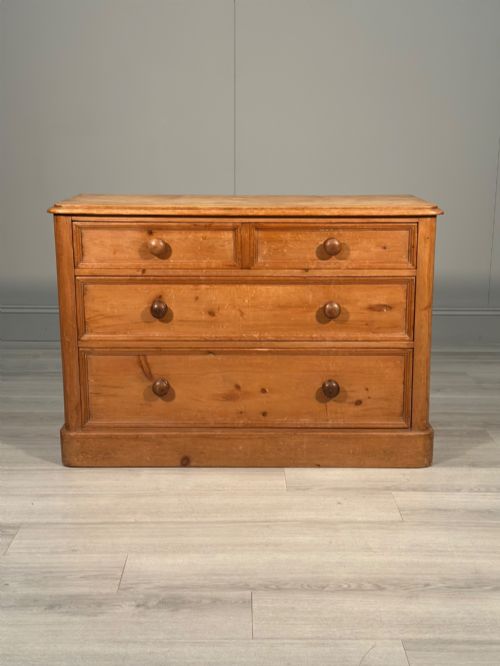
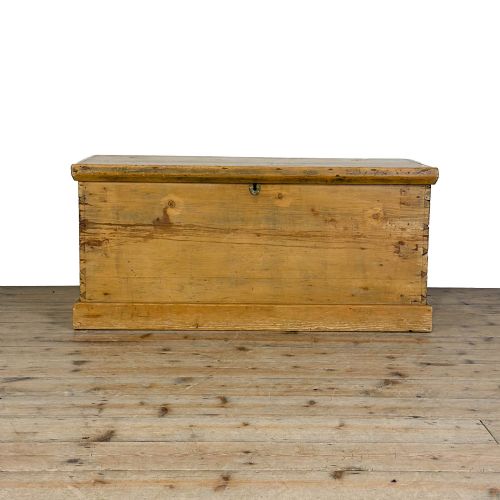
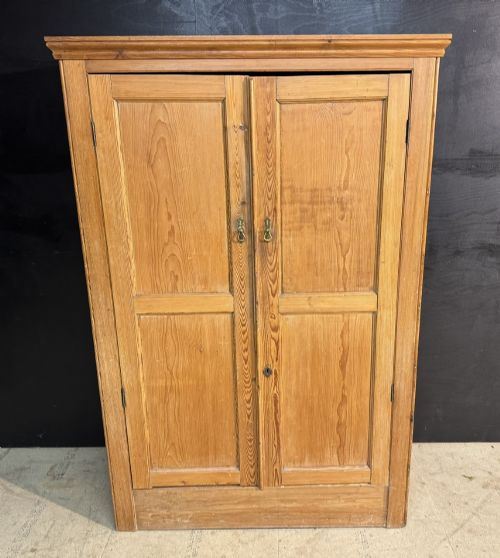
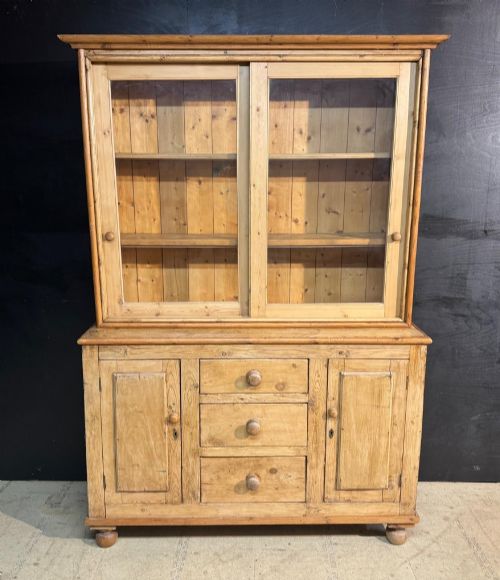
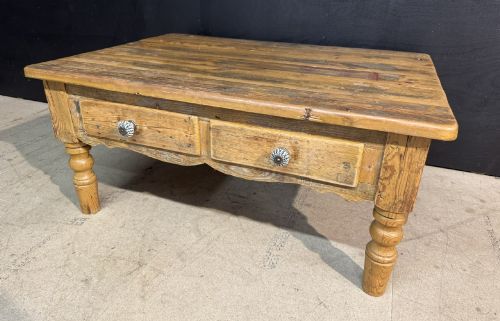
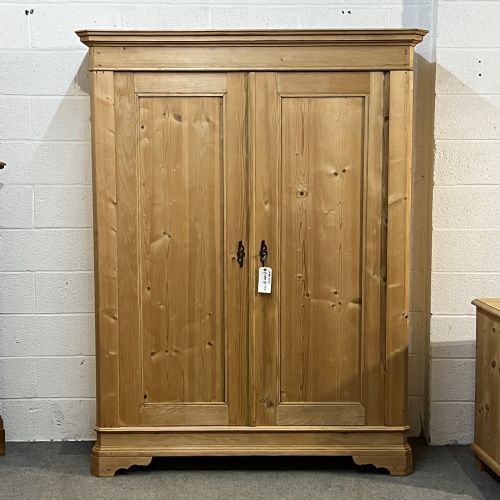
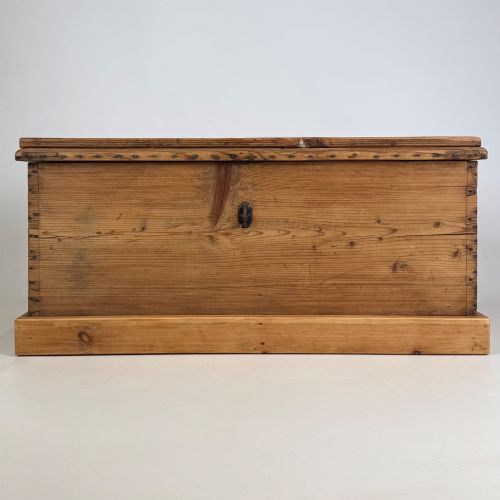
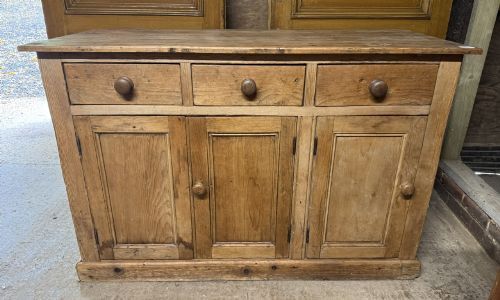
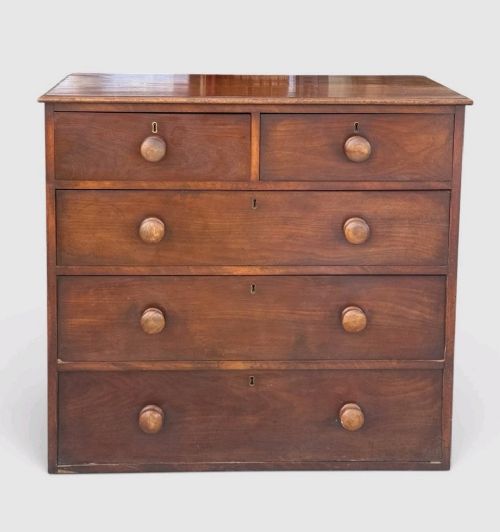
Traditional pine storage encompasses robust chests of drawers, blanket boxes, cupboards, and kitchen dressers designed for domestic organisation. When searching for traditional pine storage, buyers most frequently encounter nineteenth-century Victorian pieces alongside regional variations from Wales, Scotland, and France. These items range from simple blanket boxes and tool chests to larger glazed bookcases and kitchen dressers.
The utility of these pieces stems from their original domestic roles in farmhouses, country houses, and provincial homes. Chests of drawers and wardrobes provide substantial bedroom storage, while cupboards and dressers serve kitchens and pantries. Regional styles, such as Welsh and Scottish country pieces, display distinct local proportions and joinery methods that distinguish them from standard Victorian workshop output.
Construction dates span primarily from the eighteenth century through to the early twentieth century, with Victorian examples forming the majority of available pieces. Materials remain straightforward, centring on solid pine augmented by functional metal hardware like brass and iron. Buyers select these items for their capacious proportions and the straightforward utility embedded in their original rural and provincial designs.
Factors determining quality
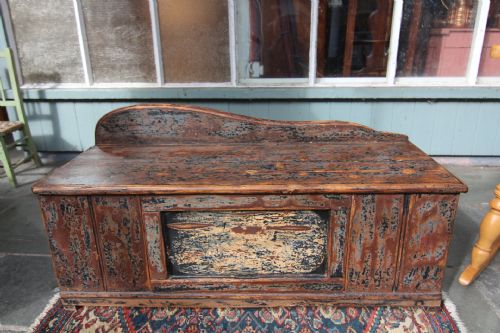
Quality in traditional pine storage rests upon the integrity of the original construction and the survival of surface treatments. Pieces retaining their original paint or authentic waxed patination command greater interest than those subjected to aggressive modern stripping or inappropriate alterations. Structural soundness in drawer dovetails and door hinges indicates the standard of the original workshop.
Proportion and regional character further differentiate pieces within this category. Well-balanced proportions, such as those found on vernacular dressers and chests from Welsh or French workshops, reflect careful planning by regional makers. The quality of supplementary materials, including hand-forged iron strapwork and period brass or ceramic hardware, completes the assessment of a piece.
One remarkably specific piece includes an early Victorian croquet set preserved inside its original handmade pine box.
The Traditional Pine Storage Glossary
- Scrubbed pine
- A finish achieved through repeated washing and scrubbing of the bare wooden top, common on kitchen dresser bases and tables used for food preparation. This treatment leaves the timber pale and clean.
- Strapwork
- Flat strips of metal, usually iron, applied to the exterior of chests and blanket boxes to reinforce the wooden corners and joints. Hand-forged examples add decorative texture to utilitarian boxes.
- Coffer
- A large wooden chest with a hinged lid, traditionally used for storing valuables, textiles, or documents before dedicated wardrobes became common. Eighteenth-century regional examples often display robust boarded construction.
- Dresser base
- The lower section of a kitchen dresser featuring drawers and cupboards without the upper plate rack. These sturdy units served as domestic counters and storage in country houses.
- Glazed cabinet
- A storage piece featuring glass-fronted doors that allow the display of books, china, or pantry items while protecting them from dust.
Traditional Pine Storage: Frequently Asked Questions
How do I date traditional pine furniture?
Dating relies on examining construction techniques, joinery methods, and hardware styles across the piece. Hand-cut dovetails, original painted surfaces, and specific regional proportions often point towards nineteenth-century Victorian or earlier eighteenth-century origins.
Secondary clues include the type of fixings, such as hand-forged iron or brass, and the specific variety of pine used, like pitch pine in later Victorian items. Comparing these elements against known period forms helps narrow down the decade of manufacture.
Were these pieces painted originally?
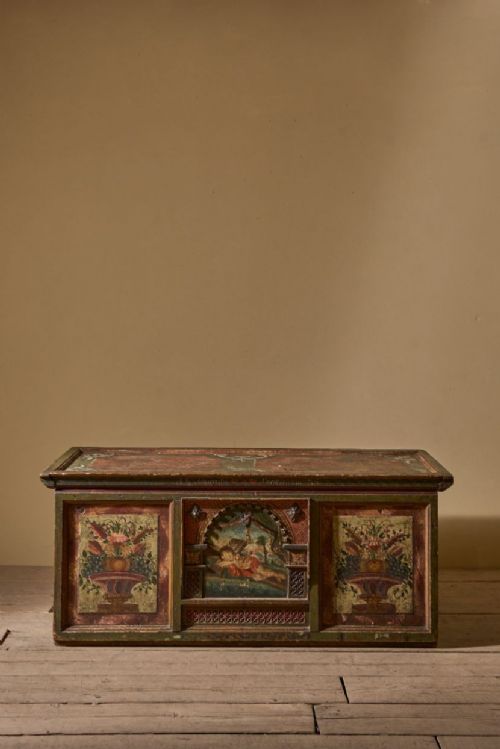
Many traditional pine storage items were painted in historic lead paints or milk paints to protect the soft timber and brighten dark rural interiors. Paint colours were often renewed over generations of domestic use.
Today, some pieces retain their original painted surfaces, while others have been stripped back to reveal the warm grain of the bare pine beneath. Both stripped and painted variants reflect authentic historical treatment depending on the region and setting.
How do I care for waxed pine furniture?
Maintaining waxed pine requires regular applications of natural beeswax to nourish the soft timber and preserve the protective patination. Avoid placing pine storage directly next to heat sources like radiators to prevent the wood from warping or cracking.
Cleaning should be done with a soft, dry cloth rather than harsh liquid detergents that can strip the wax finish. Gentle dusting keeps the surface clear without harming the historical finish of the wood.
What is the difference between pitch pine and standard pine?
Pitch pine is a denser, more resinous variety of pine timber known for its prominent grain pattern and durability. It was frequently utilised for heavy-use furniture and architectural joinery during the nineteenth century.
Standard pine, softer and lighter in weight, was the default material for general cabinet making, drawer linings, and painted furniture. Pitch pine pieces generally feel heavier and display a darker, more variegated reddish-brown hue.
Are regional pine pieces different from Victorian pieces?
Regional pieces from areas like Wales, Scotland, and France often display distinct vernacular proportions and construction quirks tied to local workshop traditions. These items frequently pre-date or run concurrent with mass-produced Victorian furniture.
Victorian factory and workshop production tended towards standardised sizes and established revival styles, whereas regional items prioritised local utility and available materials. This gives regional cupboards and dressers a distinct architectural character.