


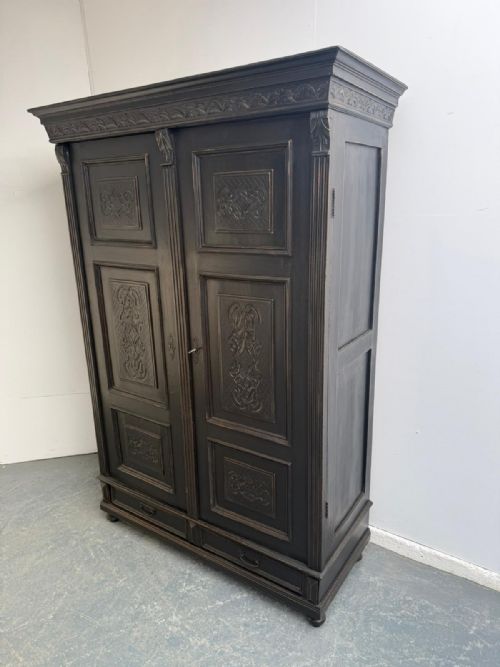

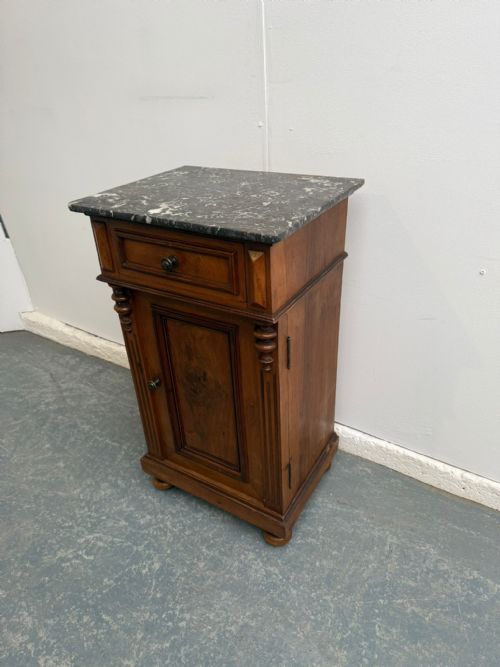


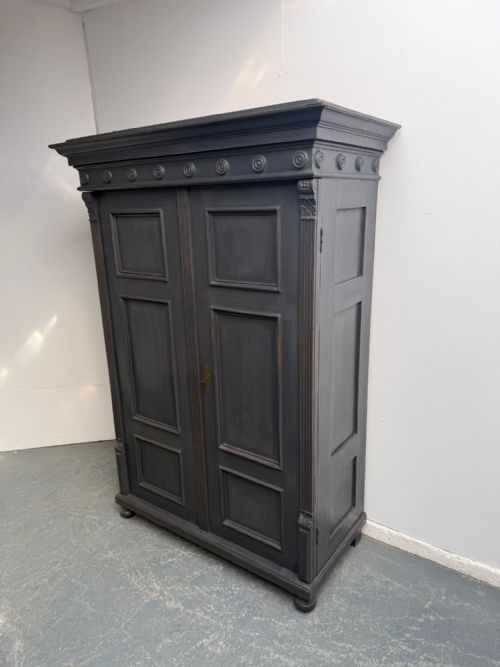
Antique Hungarian Cupboard
An antique Hungarian cupboard brings rustic charm and practical storage to a room, offering genuine regional character and solid country construction.
Antique Hungarian Cupboard
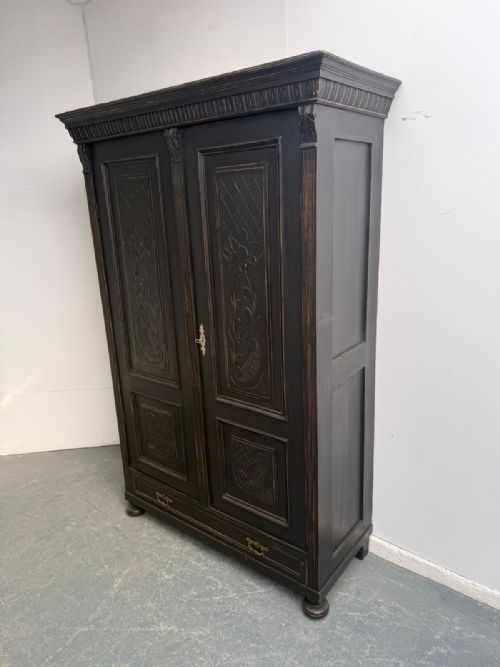
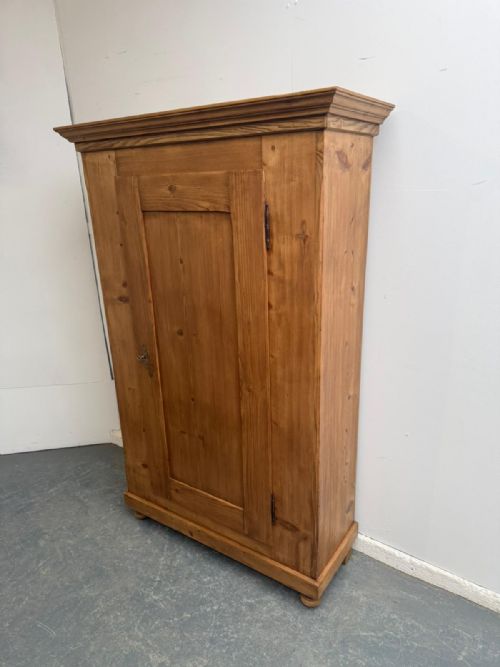
When you search for an antique Hungarian cupboard, you look at robust pieces spanning the Victorian and Georgian eras alongside the broader nineteenth century. These items encompass substantial hall wardrobes, kitchen dressers, bedside cabinets, and multi-drawer shop fittings.
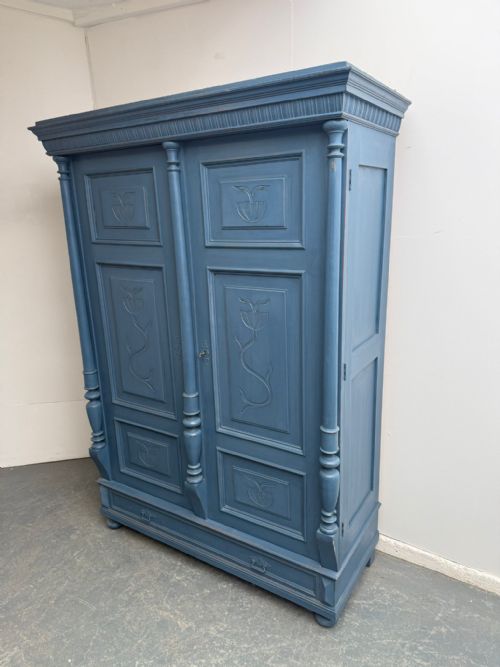
The pieces on this page appear in various regional guises, including Hungarian folk art, European country, and rustic farmhouse styles. You are most likely to meet painted pine and oak wardrobes or storage cupboards originating from this distinctive continental tradition.
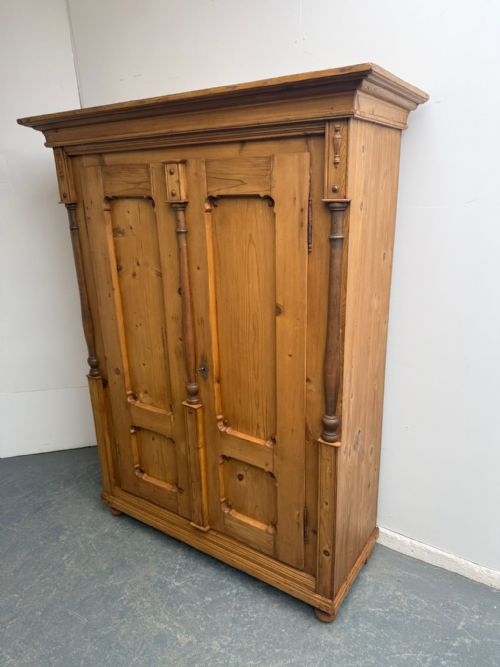
Forms range from compact one-piece two-door cupboards to massive multi-door kitchen dressers and marriage armoires. Each type reflects the practical domestic needs of nineteenth-century rural households and European country workshops.
How they were made
Makers built these pieces primarily using solid pine and oak, frequently incorporating ash, walnut, and metal hardware such as iron and brass. Surfaces received protective wax finishes or distinctive layers of paint in black, blue, green, cream, teal, grey, and white.
Construction techniques combine sturdy joinery with decorative elements like hand-painted floral motifs, carved details, and columned panels. Marble tops appear on specific items like bedside cabinets, adding a refined surface to the rustic timber bodies.
Object types seen across the inventory include hall wardrobes, kitchen dressers, bedside cabinets, multi-drawer shop fittings, and marriage armoires.
What varies in quality
Quality in an antique Hungarian cupboard rests on the preservation of original painted surfaces and the integrity of the timber. Pieces retaining their authentic early paintwork and original hardware command greater interest than those stripped down or heavily altered over time.
The sophistication of decorative carving and the balance of regional proportions also separate standard storage from exceptional examples. Finer items exhibit careful joinery in woods like oak and walnut alongside intact folk art detailing.
The Antique Hungarian Cupboard Glossary
- Pine
- A softwood commonly used for the carcase and body of continental country furniture. It takes paint and wax finishes readily.
- Armoire
- A large standing cupboard or wardrobe used for storing garments. These pieces often feature two or three doors and robust internal shelving.
- Dresser base
- The lower section of a kitchen dresser featuring cupboards and drawers without the upper plate rack. It serves as a practical sideboard or serving surface.
- Shop fitting
- Heavy-duty commercial cabinetry, such as multi-drawer units, adapted from nineteenth-century retail environments into domestic storage.
- Waxed finish
- A traditional treatment applied to timber to nourish the wood and provide a soft sheen while preserving the natural grain.
Antique Hungarian Cupboard: Frequently Asked Questions
How do I use a Hungarian cupboard at home?
These pieces provide substantial storage for clothing, kitchenware, or linens in bedrooms, hallways, and living spaces. Their generous proportions make them practical as focal points in modern country-style interiors.
Matching the scale of the cupboard to your room is essential, as many pieces are deep and tall. Ensure you measure ceiling height and clearance before placing a large wardrobe or dresser.
Are these cupboards made of solid wood?
Most examples utilise solid timbers such as pine, oak, and ash rather than modern manufactured boards. This solid construction contributes to their enduring weight and stability.
Because they are built from heavy timbers, checking access routes into your home is recommended before delivery. Solid wood construction also means the pieces respond to humidity changes in modern heated rooms.
How do I identify a Victorian Hungarian piece?
Victorian examples date from the nineteenth century and often feature distinct regional characteristics like folk art paintwork or specific hardware. The listings on this page span the Victorian period alongside Georgian and general nineteenth-century eras.
Examining the construction methods, tool marks, and fastener types helps confirm the period. Original paint layers and traditional beeswax patination also offer strong clues to age.
What is the difference between an armoire and a hall wardrobe?
An armoire often denotes a grander continental piece, such as a marriage armoire, whereas a hall wardrobe served specific entranceway storage needs. Both provide enclosed vertical hanging or shelving space.
Regional variations in decoration and door configuration distinguish these forms from standard British wardrobes. Examining the internal layout clarifies how each specific cabinet functioned originally.