





European Folk Furniture
European folk furniture brings authentic rural character into a room through practical wooden seating and storage crafted for everyday life.
European Folk Furniture
European folk furniture comprises rustic seating, benches, settles, and cupboards originating from rural communities in regions such as Austria, Hungary, Switzerland, and Eastern Europe. These items were built for utilitarian purposes in farmhouses and village homes rather than grand estates.
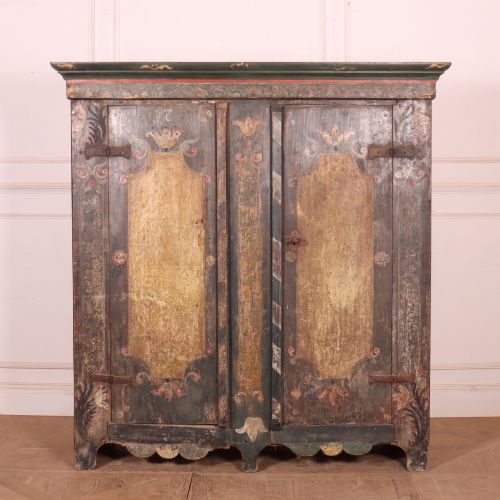
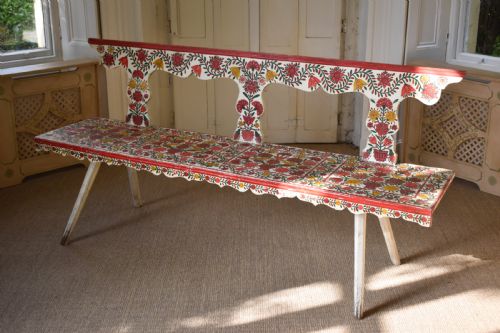
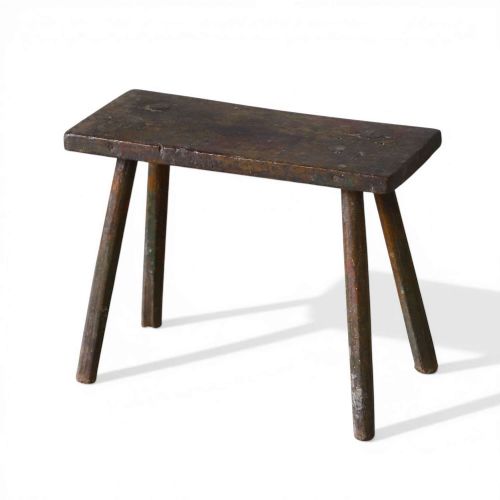
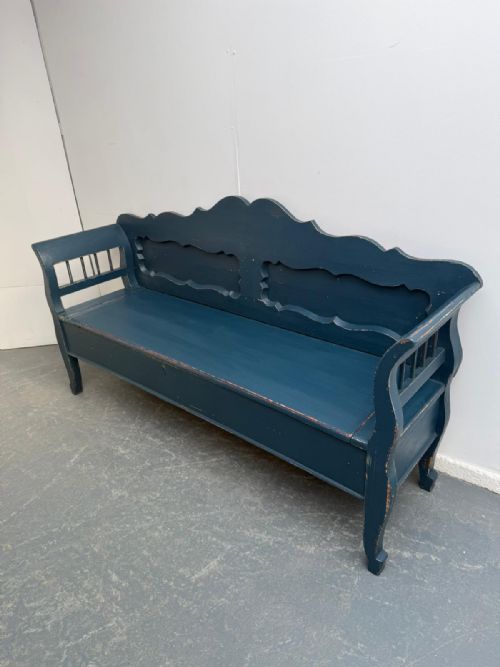
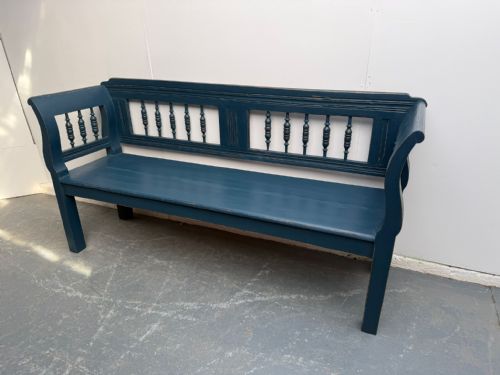
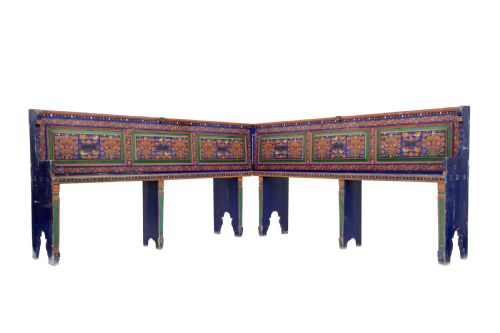
The pieces available here most frequently include nineteenth-century benches, settles, and painted cupboards fashioned from native timbers. Buyers commonly encounter seating options like three-seater benches, corner seats, and milking stools alongside small coffers and hanging wall cabinets.
Stylistically, the selection spans European country, Alpine, and Central European folk art traditions. Many examples exhibit regional vernacular traits that distinguish them from formal urban furniture of the same periods.
Materials and construction
Makers relied primarily on native pine and other available hardwoods, utilising solid timber planks joined simply and solidly for daily endurance. Iron hardware such as hinges and braces frequently reinforces these structural elements.
Surfaces were frequently finished with hand-painted pigments, resulting in distinctively coloured pine benches and cupboards. These original paint layers often display regional palettes, including blues, greens, and decorative hand-painted motifs.
European Folk Furniture Retail Price Guide 2026
Typical asking prices for european folk furniture among the pieces listed under this phrase on Sellingantiques today, from the lower quarter to the upper quarter. They describe what is for sale here now, not the wider market.
The listings show nineteenth-century pine benches and cupboards utilising hand-painted pigments.
Assessing quality in folk pieces
Quality in this category rests heavily upon the survival and integrity of the original painted surface. Pieces retaining their early pigment layers display a depth and patination that later overpainting simply cannot replicate.
Proportion and functional restraint also separate finer examples from standard workshop output. Well-balanced forms with honest construction details reflect the skilled hand of the regional carpenter.
The European Folk Furniture Glossary
- Settle
- A wooden bench featuring a high back to block drafts and often incorporating a box seat beneath for storage. These items served as central seating fixtures in rural homes.
- Coffer
- A heavy wooden chest with a lid, traditionally used for storing linens, valuables, or dry goods. They represent some of the earliest forms of domestic storage furniture.
- Escabelle
- A traditional style of wooden stool or chair associated with Alpine regions. They are typically sturdy, functional forms built with splayed legs.
- Commode
- A low cabinet or chest of drawers designed for domestic storage. In rural contexts, these often feature robust pine construction and painted decoration.
- Pigment
- Natural or synthetic colouring matter used to create the paint finishes found on these wooden pieces. The application of these materials defines the folk art aesthetic.
European Folk Furniture: Frequently Asked Questions
What is European folk furniture?
European folk furniture comprises practical wooden items made by rural craftspeople for everyday use in farmhouses and village homes. The category includes benches, settles, cupboards, and chests from regions such as Austria, Hungary, and Switzerland.
These pieces are distinguished by their simple construction, native timber materials, and often brightly painted original surfaces. They reflect the specific decorative and utilitarian traditions of their local communities.
How were these pieces used?
These items served strictly utilitarian roles in rural households, providing places to sit, sleep, and store household goods. Benches and settles offered communal seating around the hearth while blocking household drafts.
Cupboards, coffers, and commodes held textiles, food, and daily essentials. Their robust construction ensured they could withstand the heavy demands of farm life.
How do I live with painted folk furniture?
Living with these pieces involves placing them in environments where their aged surfaces and rustic timber can be appreciated without excessive exposure to moisture or direct sunlight. They anchor modern or traditional interiors by introducing warmth, colour, and historical texture.
Because many pieces feature original paint, gentle care is required to preserve the historical pigment layers. A simple dry dusting and stable indoor humidity levels protect the wood and surface finish.
How can I tell the periods apart?
Distinguishing periods relies on observing construction methods, hardware types, and stylistic shifts in painted decoration. Nineteenth-century examples often display specific regional painting techniques and simpler joinery than formal cabinet furniture.
Earlier pieces from the Georgian era or the late nineteenth century show variations in pine working and ironmongery. Comparing the patination of the wood helps confirm the age of the structure.