



Green Pastoral Landscape Art
Green pastoral landscape art brings the quietude of the countryside into rooms through traditional rural scenes.
Green Pastoral Landscape Art
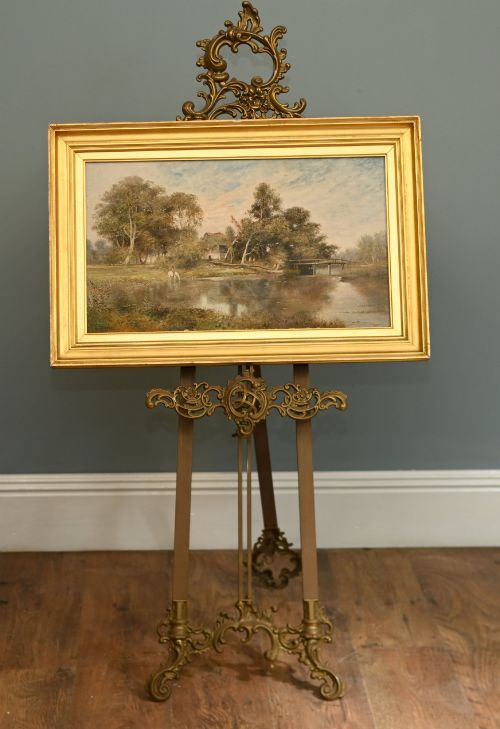
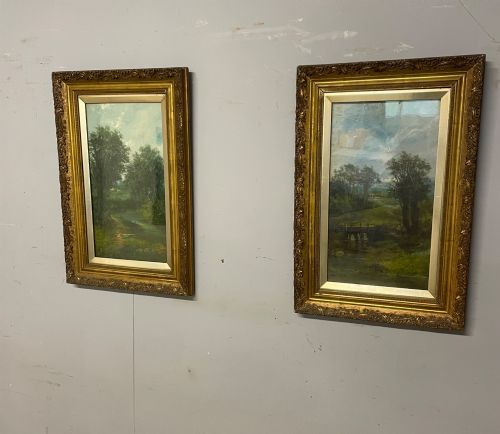
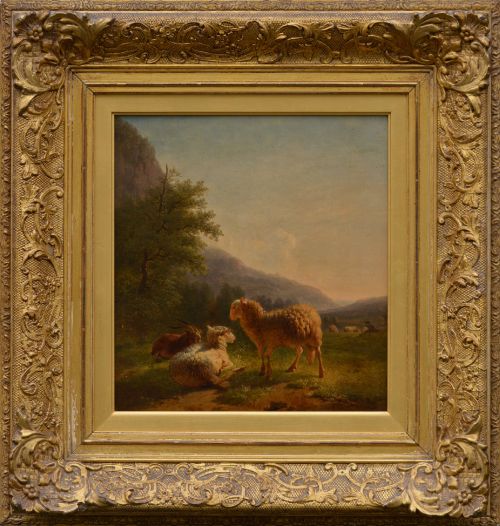
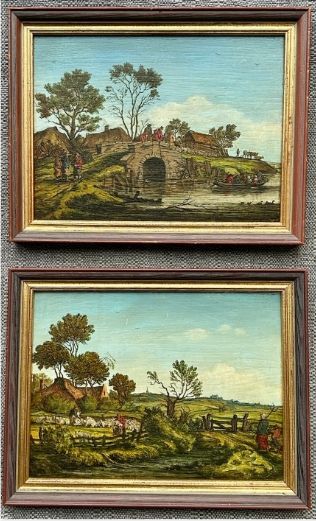
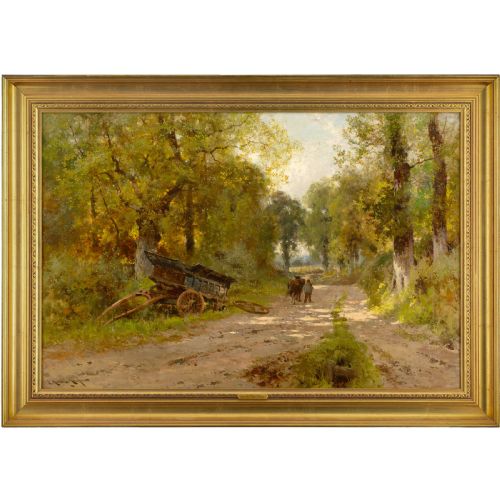
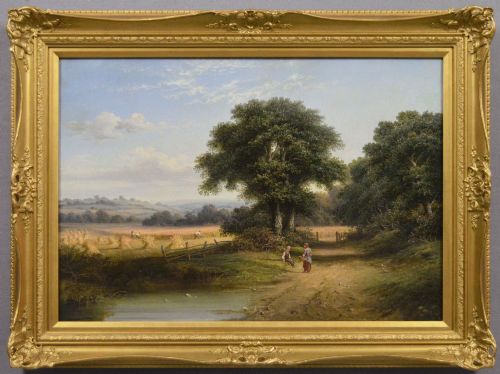
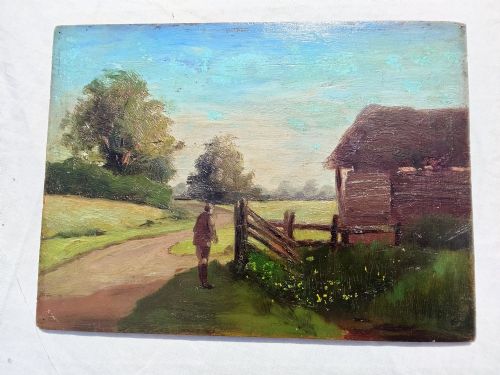
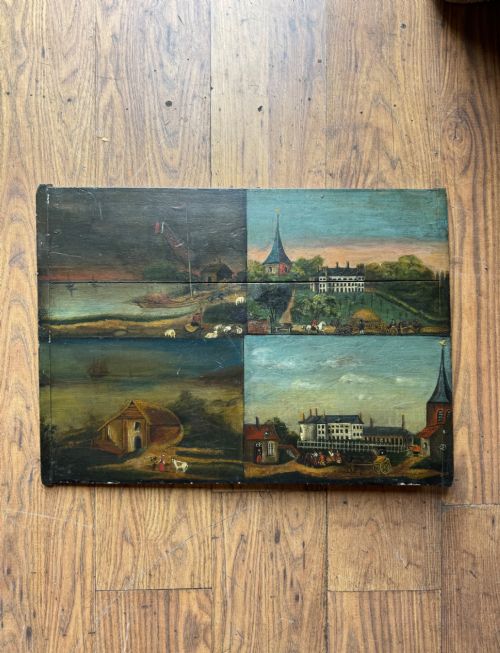
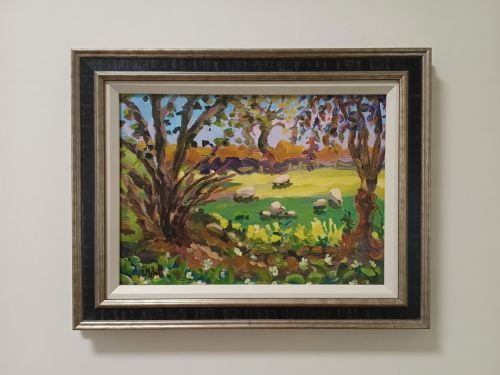
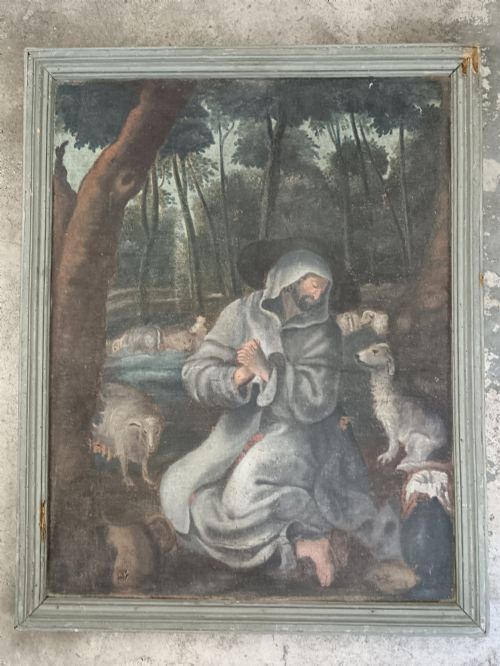
Green pastoral landscape art depicts rural scenes filled with fields, rivers, livestock, and country figures, capturing a peaceful view of nature. These works reflect romantic, realist, and impressionist traditions from the nineteenth and early twentieth centuries.
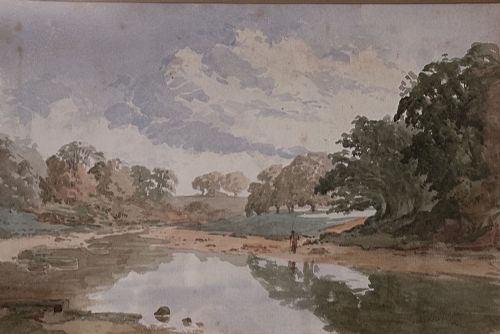
Most pieces on this page are oil paintings on canvas or wood panels, alongside watercolours on paper. Subjects frequently include shepherds, cattle, and harvesters situated in British and European countryside settings.
How they were made
Artists applied oil paint to stretched canvas or prepared wooden boards, building depth through layered brushwork and subtle tonal shifts. Watercolours utilised fluid washes on paper to capture the changing light of river valleys and meadows.
Frames of giltwood and gesso often enclose these paintings, shaped with decorative moulding that matches the period of the artwork.
Materials recorded on this page include oil paint, canvas, wood panels, paper, giltwood, and gesso.
What varies in quality
The finesse of brushwork and the naturalism of animal and human figures set finer works apart from simpler decorative pieces. Skill in rendering atmospheric light and depth defines the better achievements within this tradition.
The preservation of the original paint surface and the intact condition of the accompanying period frame influence the overall integrity of the piece.
Eugène Verboeckhoven·David Bates·Walter Heath Williams·George Oyston·William Henry Mander·Thomas Sidney Cooper·Franz van Severdonck
The Green Pastoral Landscape Art Glossary
- Oil on Canvas
- A painting medium where pigments suspended in oil are applied to a woven fabric support. This combination allows for rich colour blending and textured brushwork.
- Wood Panel
- A rigid support made from timber used for painting before canvas became dominant. Panels provide a smooth, stable surface for detailed brushwork.
- Giltwood
- Timber carved and coated with gold leaf or a gold-coloured metallic finish. It frames many traditional paintings to enhance their visual weight.
- Gesso
- A plaster-like mixture applied to wood or canvas as a base for painting or gilding. It creates a smooth, absorbent surface for the final finish.
- Watercolour
- A painting method where water-soluble pigments are applied to paper. This technique produces translucent washes and delicate effects.
Green Pastoral Landscape Art: Frequently Asked Questions
What subjects appear in green pastoral landscape art?
These works typically feature rural views containing grazing sheep, cattle, rivers, and farmworkers engaged in daily countryside labour. Artists focused on capturing the tranquil atmosphere of fields and woodlands.
Scenes often draw from British and European locations, reflecting the realistic and romantic art styles of the nineteenth and early twentieth centuries.
How do I care for an oil painting on wood?
Keep the piece away from direct sunlight and sudden temperature shifts to protect the wooden panel from warping. Stable indoor environments preserve both the timber and the paint layer.
Dust the surface gently with a soft, dry brush and avoid using any liquid cleaners on the paint or the gilt frame.
Are watercolours different from oil paintings?
Watercolours use pigments bound in a water-soluble medium applied to paper, resulting in transparent and luminous effects. Oil paintings utilise a slower-drying oil base on canvas or wood, allowing for thicker impasto and deeper colour blending.
Watercolour works require protective glass framing to prevent moisture damage, whereas oil paintings on canvas remain exposed to the air.
How can I tell the period of a landscape painting?
Examine the materials, stretcher frames, and canvas types, as manufacturing methods shifted noticeably between the nineteenth and twentieth centuries. Artist signatures, inscriptions on the reverse, and stylistic clues offer further chronological context.
The style of the accompanying giltwood frame often matches the era in which the artwork was created.