

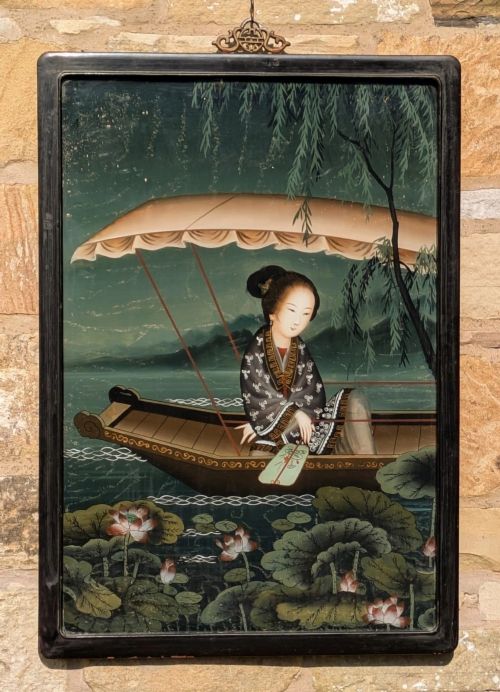


Green Painted Mirror
A green painted mirror brings a soft, weathered colour to a room, catching the light through layers of historic pigment.
Green Painted Mirror
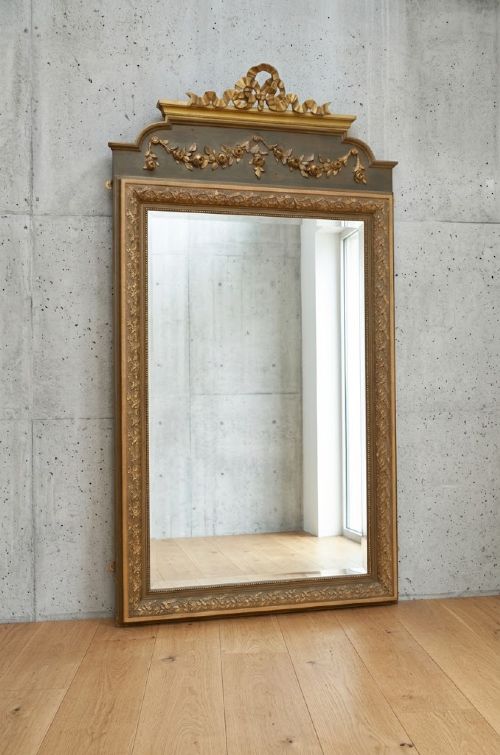
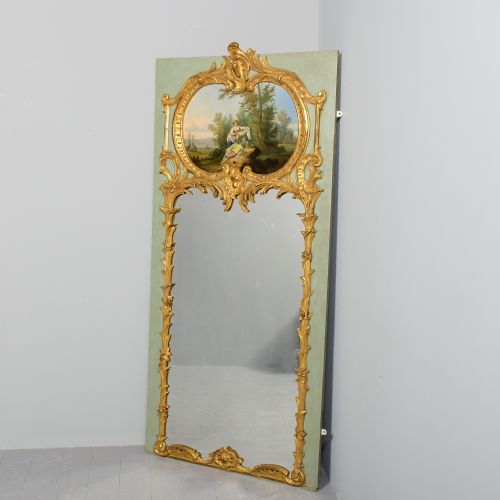
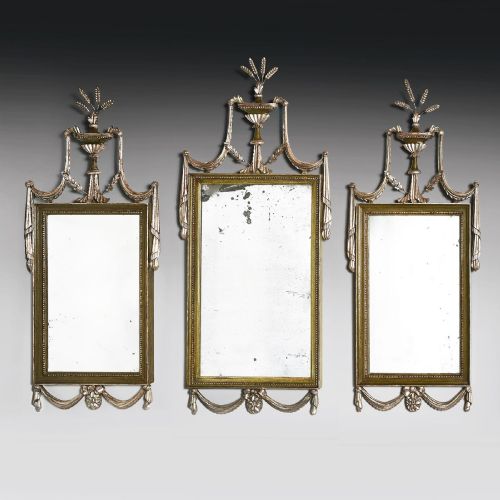
When you search for a green painted mirror, you encounter pieces that range from slender French pier glasses and trumeau overmantels to small gypsy mirrors and dressing table glass. The examples on this page predominantly date from the nineteenth century into the Edwardian era, with significant representation from French workshops and English makers.
Forms vary from grand architectural overmantels designed for nineteenth-century drawing rooms to simpler wall-hung items and decorative mirrors featuring carved wood and gesso. Styles lean towards Victorian, Louis XV Rococo, and Regency aesthetics, often incorporating gilt highlights alongside the underlying green paint.
The painted surfaces show diverse patination, from pale sage and olive tones to brighter historic hues worn down by time. Many incorporate original mirror glass with foxing and oxidation that marks their age honestly.
Assessing quality in painted mirrors
Quality rests in the integrity of the original carved wood and gesso foundation, where crisp relief work and deep mouldings outlast flat, machine-cut replacements. The retention of original painted surfaces, rather than later overpainting, determines the historical value of the piece.
The sophistication of the frame design, whether a restrained Regency profile or an elaborate French Rococo crest, dictates the tier of craftsmanship. Original mirror glass with genuine age adds to the desirability, completing the harmonious balance between frame and plate.
A self-portrait in a mirror keeps watch over artists' tools from nineteen-twenty, proving some reflections refuse to leave the room.
Gillows Of Lancaster·Pauly et Cie·Joseph Biel
The Green Painted Mirror Glossary
- Trumeau
- A decorative wall mirror combined with a painted panel or oil painting above the glass. These were designed to fit neatly between windows in formal European interiors.
- Gesso
- A plaster-like mixture applied to wooden frames as a smooth base for gilding and painting. Fine carving beneath the gesso layer indicates superior workshop execution.
- Overmantel mirror
- A wide glass proportioned to sit directly above a fireplace mantelpiece. These pieces anchor the reception room and reflect light across the hearth.
Green Painted Mirror: Frequently Asked Questions
How do I clean an antique mirror?
Use a soft, dry microfibre cloth to gently remove dust from the painted frame and glass surface. Avoid chemical sprays and harsh commercial glass cleaners, as moisture can seep behind the silvering or damage fragile historic paint layers.
Take care not to press too firmly against the glass, particularly if the mirror plate is loose within its antique rebate. Gentle maintenance preserves both the original pigments and the delicate patination of the historic plate.
Are these mirrors original or reproduction?
The pieces shown date from historical periods including the nineteenth century and the early twentieth century. Construction details, such as hand-carved gesso, oxidised mirror glass, and weathered paint layers, indicate genuine age rather than modern manufacture.
Examining the backboards, fixings, and wear patterns confirms the authenticity of each item. Historic surfaces show natural degradation that modern replicas cannot replicate.
Where should I hang a trumeau mirror?
Trumeau mirrors work exceptionally well above low sideboards, mantelpieces, or positioned to reflect natural light from a window. Their vertical proportions suit rooms with high ceilings, drawing the eye upward and expanding the sense of space.
Ensure the wall fixings match the substantial weight of a wood and gesso frame. Secure hanging points distribute the load safely across the structure of the wall.
What causes foxing on old mirror glass?
Foxing occurs when moisture and air interact with the silver backing of the glass over many decades. This chemical process creates dark spots, clouding, and atmospheric patches across the reflection.
Collectors prize genuine foxing as a primary indicator of antique glass authenticity. It softens the reflection and contributes to the historic character of the piece.