



Green Onyx Base Figurine
A green onyx base figurine brings striking mineral depth and sculpted metal together, offering a tactile anchor for a desk or mantelpiece.
Green Onyx Base Figurine
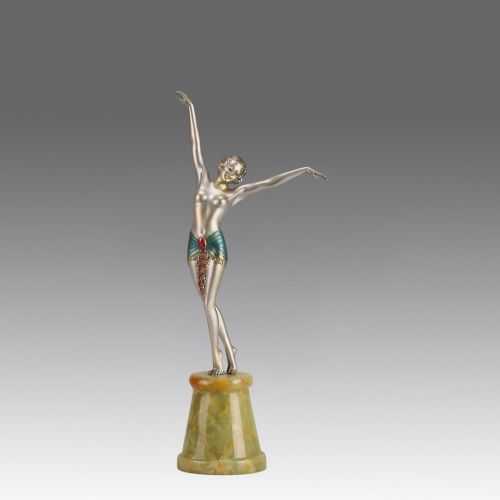
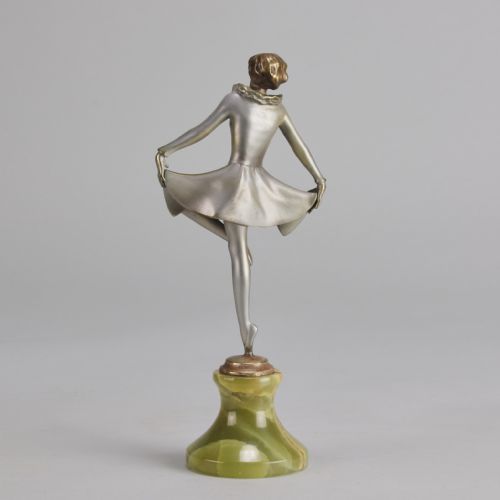
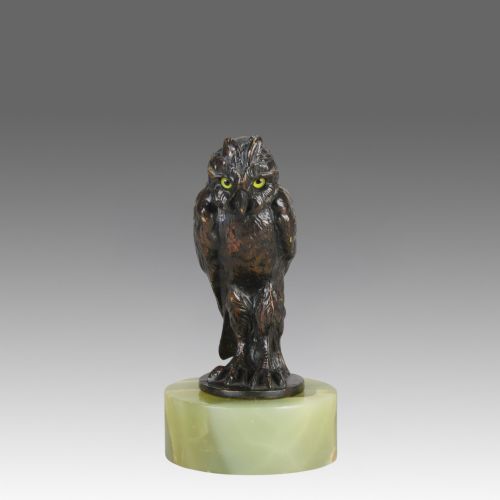
When you search for a green onyx base figurine, you encounter sculptural works that pair a polished stone plinth with a metal figure. These pieces date from the nineteenth and twentieth centuries, spanning Art Nouveau and Art Deco movements.
The objects on this page predominantly take the form of human figures, dancers, and animals rendered in bronze, cold-painted bronze, or spelter. The mineral base provides a contrasting weight and banding of green tone beneath each subject.
Materials and construction
Makers shaped the figurative elements using bronze or spelter, sometimes applying cold-painted details or silver plate to finish the surface. Figures like dancers and animals required precise casting techniques common to European foundries.
The foundations were cut from natural onyx, then shaped and polished to create a smooth mounting surface for the metal sculptures.
The documented periods span the mid-nineteenth century through nineteen thirty.
Assessing quality and execution
The stone plinth itself dictates distinction through the richness of its green banding and the absence of heavy chips along the polished edges.
Josef Lorenzl·Bruno Zach
The Green Onyx Base Figurine Glossary
- Spelter
- A zinc alloy utilised as a less costly alternative to bronze for sculptural castings. It takes patination and paint well while offering a lighter overall weight.
- Art Deco
- A design style from the interwar period characterised by stylised geometry and sleek lines. Figures from this era often capture dynamic movement in dance or sport.
- Art Nouveau
- An earlier decorative style defined by flowing, organic lines inspired by natural forms. Works from this period display softer curves and vegetal motifs.
Green Onyx Base Figurine: Frequently Asked Questions
What metals are used for these figures?
The sculptural figures on these bases are cast in bronze or spelter. Some examples feature additional surface treatments like silver plate or cold-painted pigments.
These materials determine the weight and tactile feel of the sculpture mounted on the stone.
How do I care for green onyx?
Onyx is a relatively soft stone that benefits from gentle dusting with a dry microfibre cloth. Avoid abrasive cleaners and moisture to protect the polished mineral surface.
Keeping the piece away from direct sunlight preserves any cold-painted details on the metal figure above.
What periods do these sculptures date from?
The pieces listed span the nineteenth and early twentieth centuries. They cover specific stylistic eras including Art Nouveau and Art Deco.
Dates range from the mid-nineteenth century through the decades leading up to nineteen thirty.
Are all the bases made of onyx?
The evidence for these listings consistently points to green onyx utilised as the primary base material. The stone provides a heavy, decorative foundation for the bronze or spelter subjects.
Each plinth exhibits natural mineral variations in tone and pattern.