
Green Oil Portrait Painting
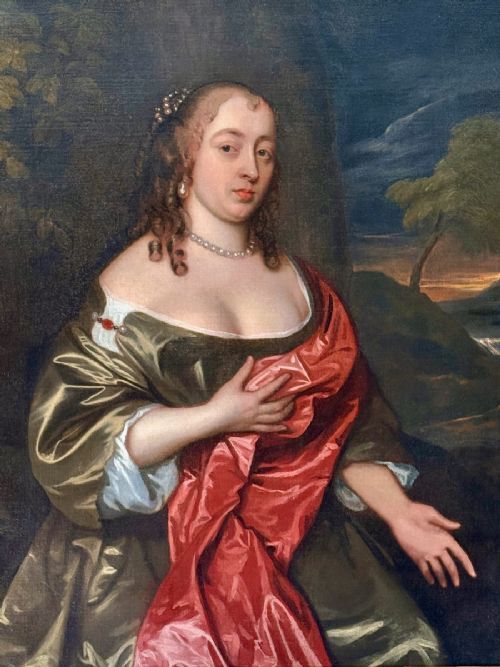
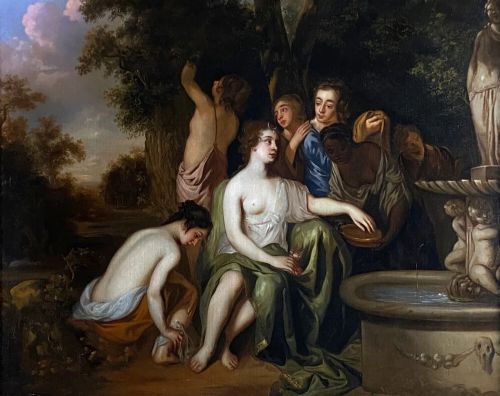
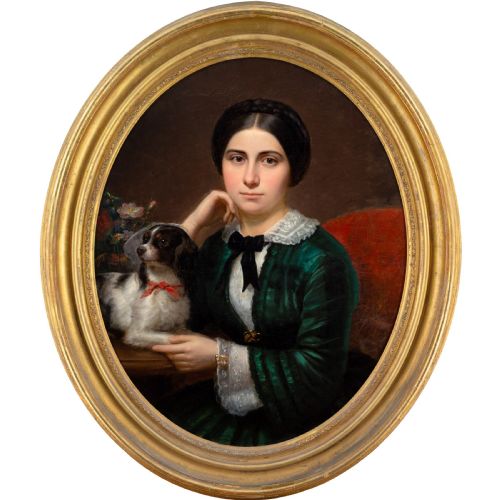
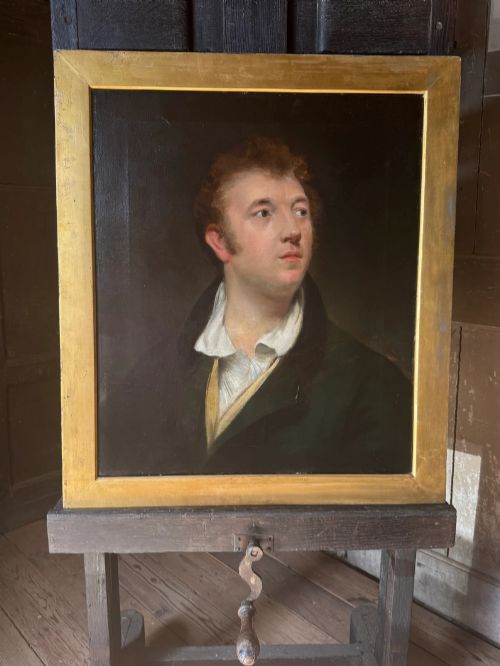
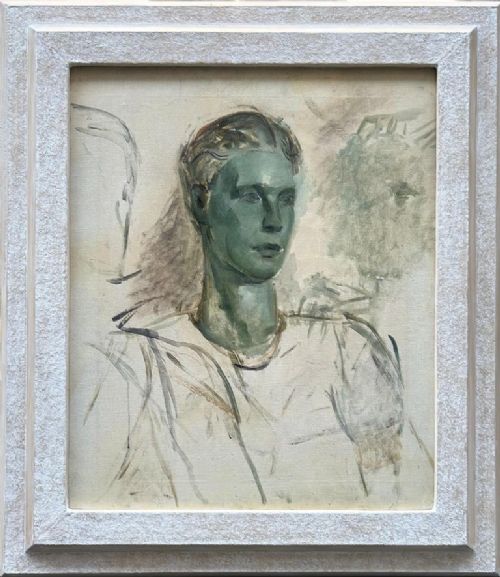
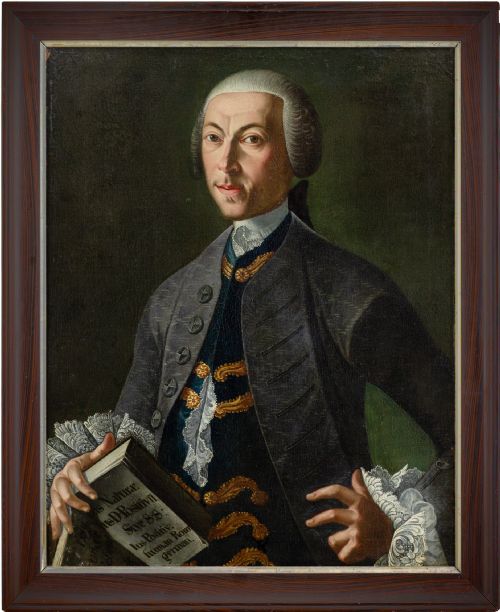
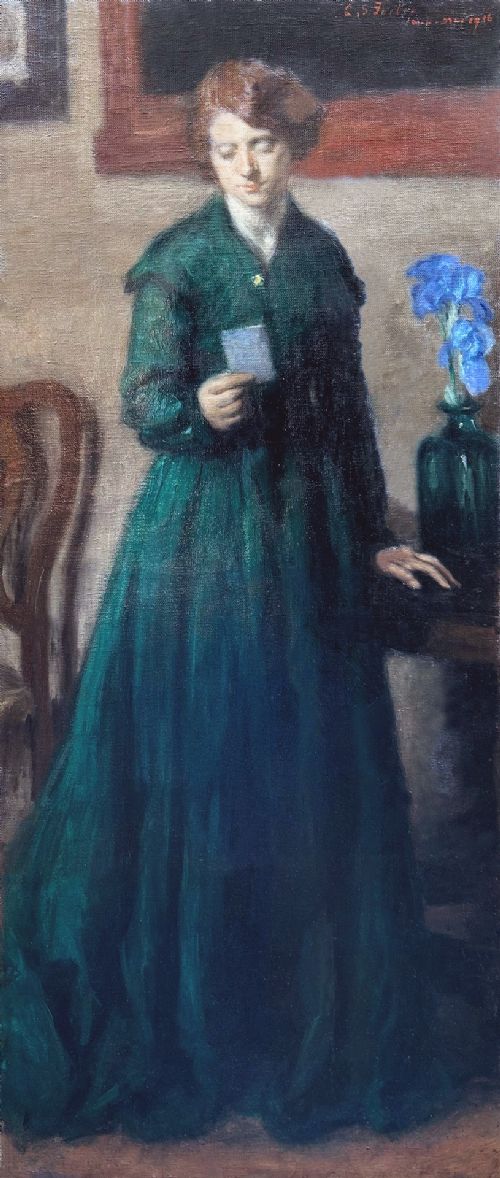
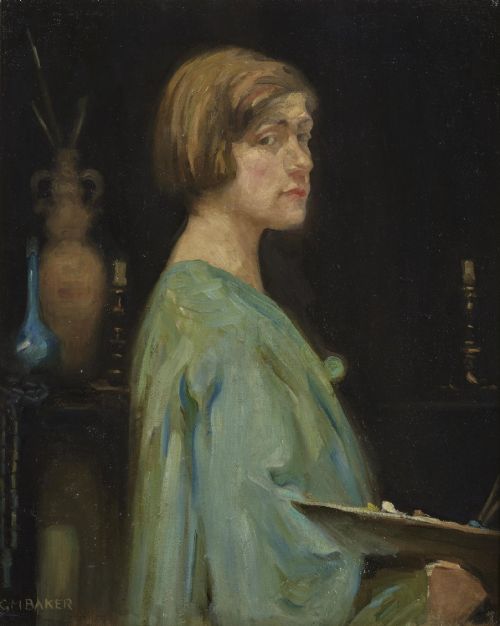
When you encounter a green oil portrait painting, you are looking at centuries of pigment work capturing human likeness against verdant backdrops or within dark garments.
Green Oil Portrait Painting
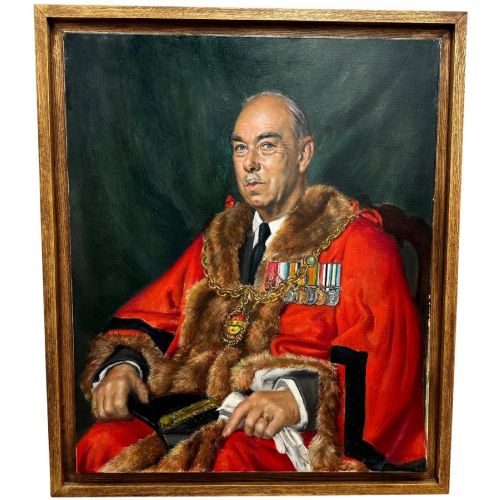
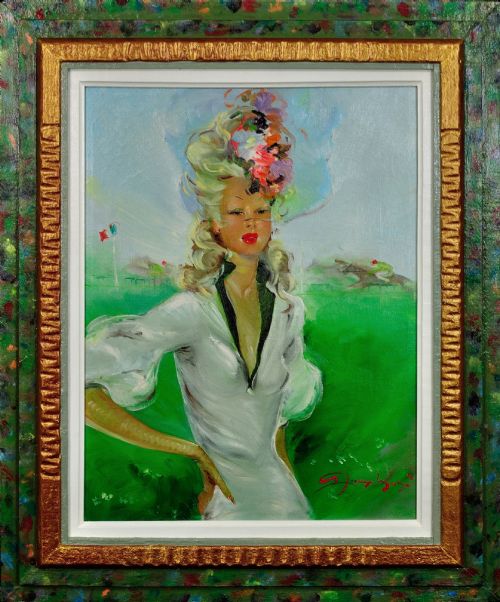
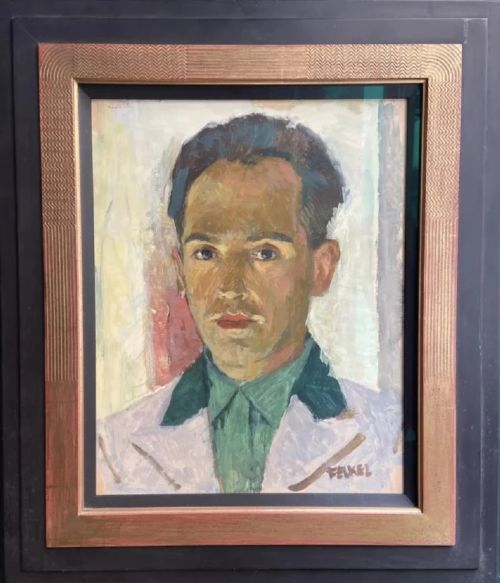
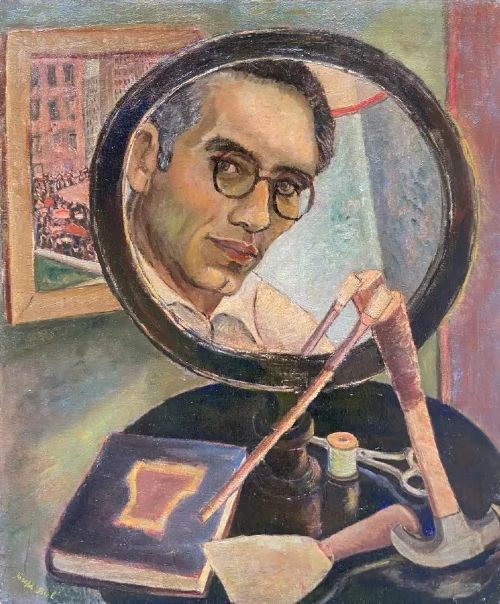
A green oil portrait painting encompasses depictions of sitters ranging from seventeenth-century nobility to twentieth-century self-portraits, executed in oil medium on various supports.
The phrase brings together works spanning the seventeenth century through to the mid-twentieth century, including pieces by named regional artists and anonymous European schools.
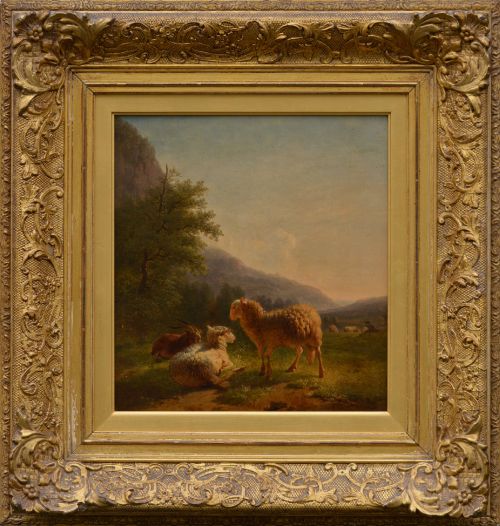
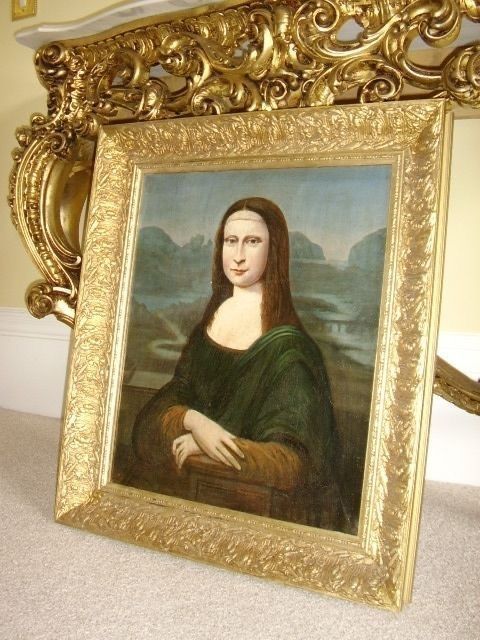
Buyers will find these works presented on canvas, wood panels and board, frequently housed within period giltwood frames that complement the depth of the oil pigments.
Materials and construction
These artworks utilise oil paint applied to stretched canvas, wooden panels or prepared boards, relying on traditional binder and pigment mixtures to build up tone.
Support structures involve timber stretchers or solid wood panels, sometimes accompanied by historic frames finished in gilt or carved wood.
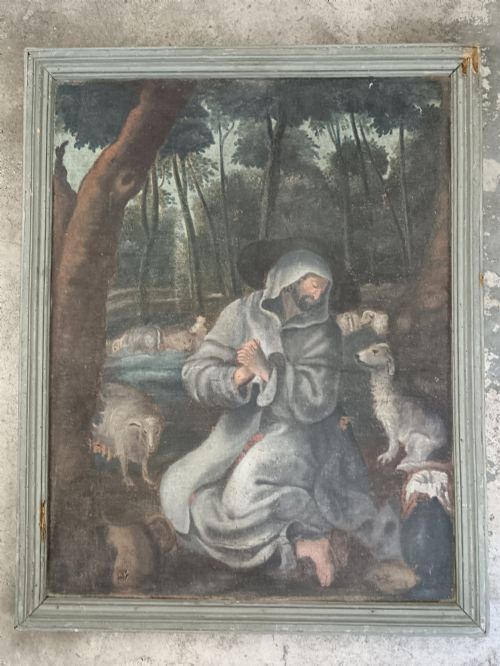
Several sitters throughout history insisted on posing beside their favourite domestic animals, immortalising sheep, dogs and horses alongside their human likenesses.
Judging the work
Quality rests upon the confidence of brushwork, the anatomical precision in rendering the sitter's face and hands, and the preservation of the original pigment layers.
The depth of the composition, the handling of light and shadow across drapery, and the integrity of the support distinguish finer examples from standard decorative works.
JOHN HAYLS·Sir Peter Lely·Cornelius Johnson·Nicolaes Maes·Michael Dahl
The Green Oil Portrait Painting Glossary
- Pentimento
- Alteration in a painting where an earlier layer of brushwork shows through the upper paint surface. This occurrence helps confirm the authentic hand of the artist during historic periods.
- Giltwood
- Timber carved and coated with a thin layer of gold leaf or metallic powder. It provides a reflective border often seen on antique frames.
- Canvas
- Heavy woven fabric stretched tightly across a wooden frame to form a foundation for painting. It replaced wooden panels as a preferred support in many European traditions.
- Baroque
- Artistic style originating around the seventeenth century characterised by dramatic use of light, deep shadows and theatrical composition. It influences many of the darker portrait backgrounds found in these collections.
Green Oil Portrait Painting: Frequently Asked Questions
How do I identify a seventeenth century portrait?
Seventeenth century portraits typically display specific costume details such as lace collars, distinct hair styling, and darker, earthy palettes that reflect the portraiture conventions of that era.
Examination of the canvas weave, stretcher construction, and panel preparation can also offer clues to the age of the physical object.
What is a pentimento in old paintings?
A pentimento occurs when an artist changes their mind during the painting process and paints over an initial composition, which gradually becomes visible again as the top layers age.
This phenomenon serves as an indicator of an authentic, working historic canvas rather than a later copy.
How should I care for an oil on canvas painting?
Oil paintings require stable indoor humidity and temperature levels to prevent the canvas from slackening and the paint from cracking over time.
Keep them out of direct sunlight and consult a professional conservator rather than attempting DIY cleaning.
Are these frames original to the paintings?
Some pieces retain their period giltwood frames, whilst others have been reframed in later styles suited to the centuries they have survived.
Checking the rabbet and the fit of the artwork can help determine the association between the frame and the canvas.