



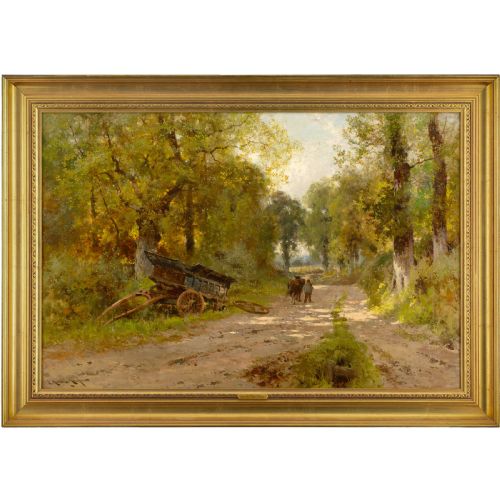
Green Oil Painting
A green oil painting brings together centuries of pigment and brushwork, offering buyers a rich piece of visual history for the wall.
Green Oil Painting
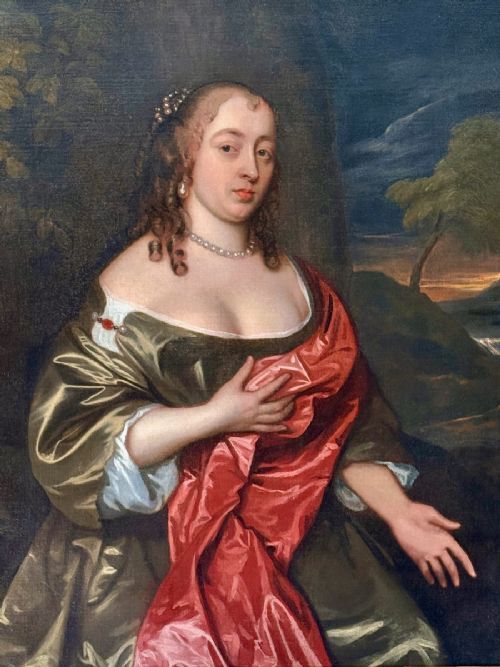
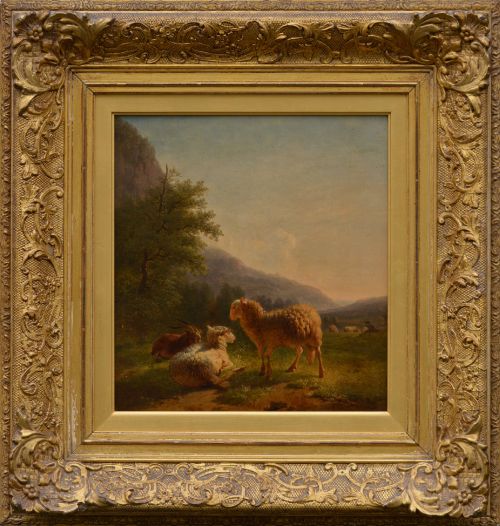
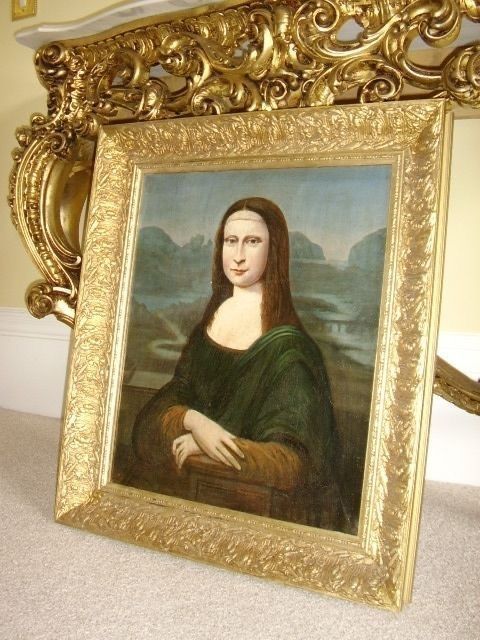
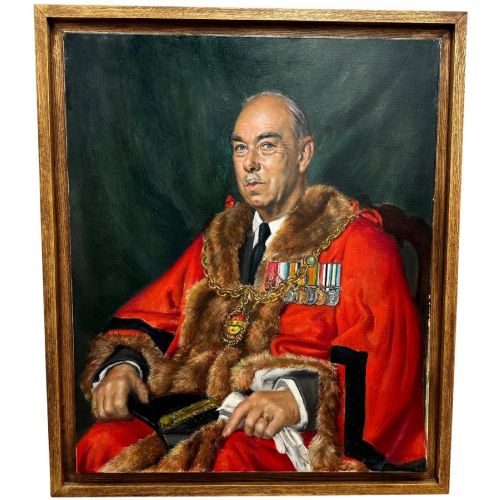
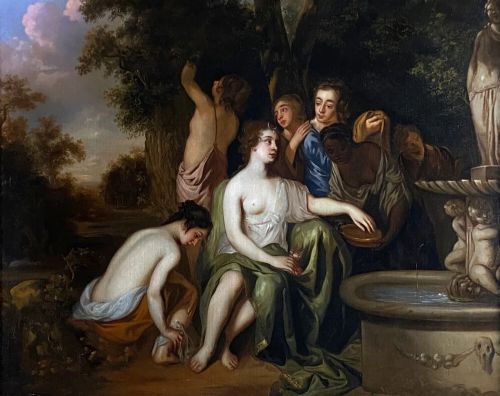
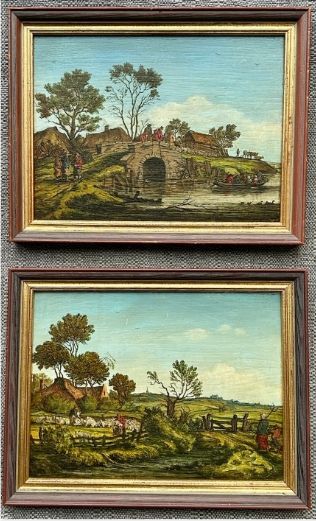
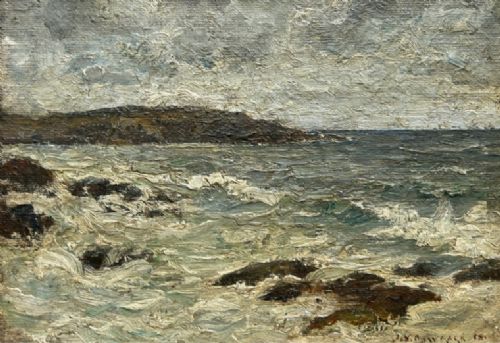
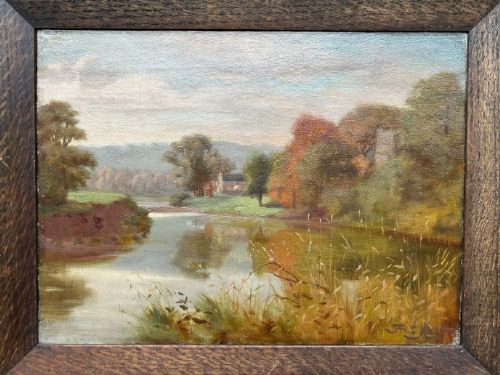
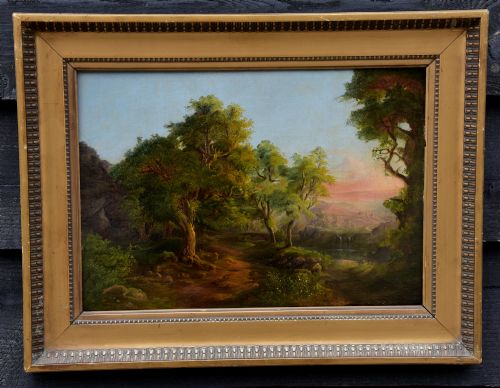
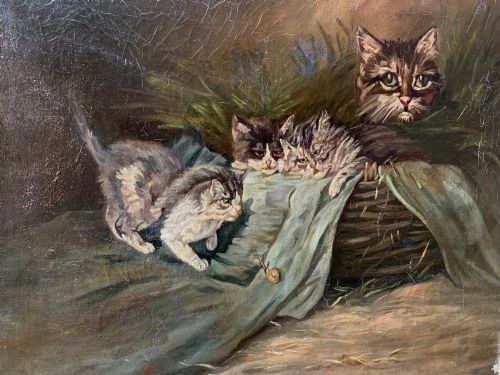
When searching for a green oil painting, buyers encounter works spanning from the seventeenth century through to the mid-twentieth century. The selection encompasses diverse forms such as pastoral landscapes, maritime scenes, portraiture, and floral still lifes.
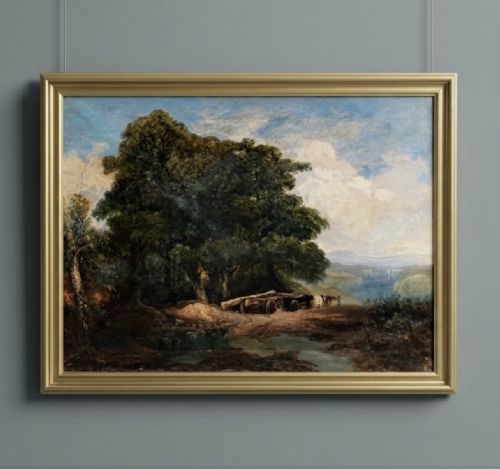
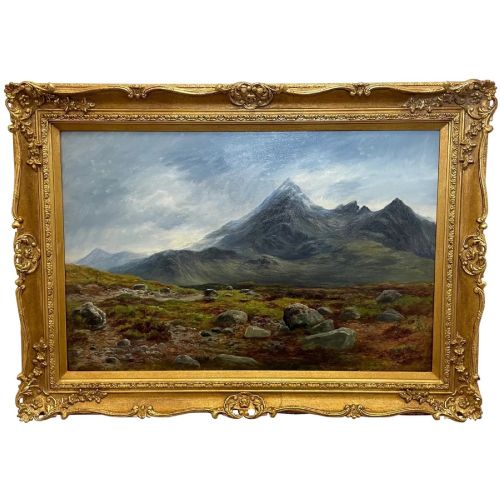
Most pieces on this page originate from British, French, and Dutch schools, executed across periods including the Victorian era, Edwardian period, and post-impressionism. Landscapes dominate the selection, often capturing woodland glades, coastal views, and river banks.
The visual focus centres on verdant tones applied by named artists and regional schools alike. Buyers find both intimate wood panel studies and monumental framed canvases suitable for domestic or institutional display.
What Varies in Quality
Quality in these works rests upon the confidence of the brushwork and the structural stability of the support material. Superior examples display assured handling of light, shadow, and tone, particularly in complex foliage or landscape perspective.
The integrity of the original paint surface and the sympathetic preservation of the ground layer separate standard examples from exceptional ones. Masterly composition and the artist's ability to render atmospheric depth elevate certain pieces well above routine decorative works.
Green Oil Painting Retail Price Guide 2026
Typical asking prices for green oil painting among the pieces listed under this phrase on Sellingantiques today, from the lower quarter to the upper quarter. They describe what is for sale here now, not the wider market.
The selection includes prominent landscape and portrait traditions from British, French, Flemish, and Italian schools spanning the 17th to the 20th century.
John Hayls·Eugène Verboeckhoven·Richard Sebastian Bond·William Beattie-Brown·Bernard Hailstone·William H Myers·George Graham·Sir Peter Lely·Tom Campbell·W Klombeck·Frederick Marriott·John Horace Hooper·Sidney A Court·Kershaw Schofield·George Houston·Herbert Royle·Robert Morson Hughes·Thomas W Lascelles·Gabriel Mathieu·David Bates·William Broome·Benjamin Barker of Bath·Vincent Clare·Charles Houben·Walter Heath Williams
The Green Oil Painting Glossary
- Canvas
- A heavy woven fabric stretched across a wooden frame to serve as a support for painting. It provides a flexible yet durable surface that accepts multiple layers of oil pigment.
- Impasto
- A technique where paint is laid onto a surface in very thick layers that stand out visibly from the canvas. This method adds tactile three-dimensional texture and catches natural light.
- Gilt
- A thin layer of gold leaf or gold paint applied to wooden frames or decorative surfaces. It enhances the visual weight and period character of the artwork housing.
- Board
- A rigid flat panel used as an alternative to stretched fabric for supporting paint. Wooden or composition boards offer a stable, unyielding surface popular in en plein air studies.
- Provenance
- The documented history of ownership of an artwork from its creation to the present day. Clear records help establish authenticity and track the piece through time.
Green Oil Painting: Frequently Asked Questions
Should these paintings be kept away from direct sunlight?
Ultraviolet light degrades historical pigments and causes varnishes to yellow or crack over prolonged periods of exposure.
Positioning works away from south-facing windows and intense heat sources helps preserve the stability of the canvas and oils.
How can I tell a panel painting from a canvas?
Board and wood panel works feel completely rigid to the touch and show no give when light pressure is applied from behind.
Canvas supports will exhibit a slight springiness and reveal a woven texture along the reverse side of the wooden stretcher.
What is the difference between en plein air and studio works?
En plein air pieces were painted entirely outdoors directly in front of the subject, capturing immediate natural light and rapid weather shifts.
Studio paintings were developed indoors over longer periods, often utilising preliminary sketches and more formal compositional planning.