
Green Oil Canvas Artwork
These pieces of green oil canvas artwork bring tactile brushwork and deep earthen tones directly into your room.
Green Oil Canvas Artwork
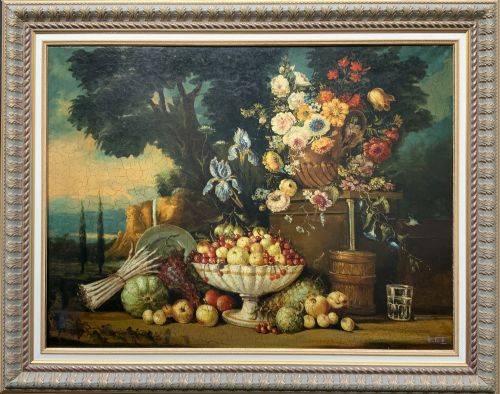
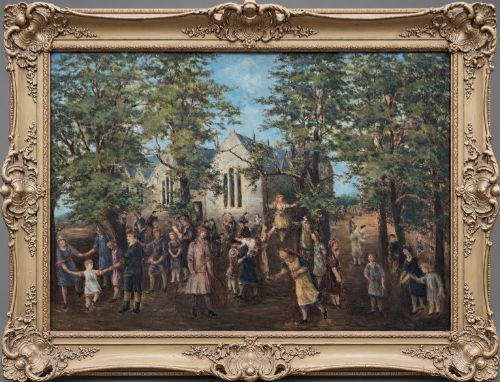
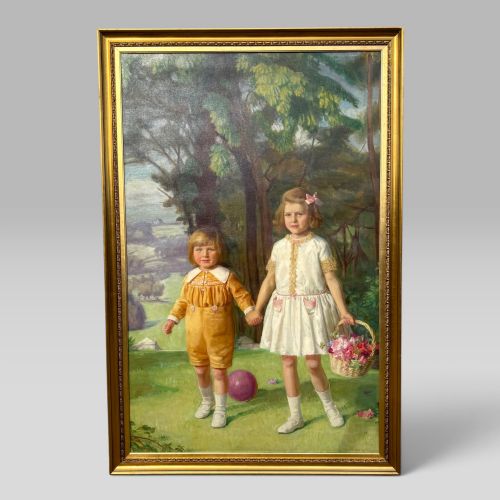
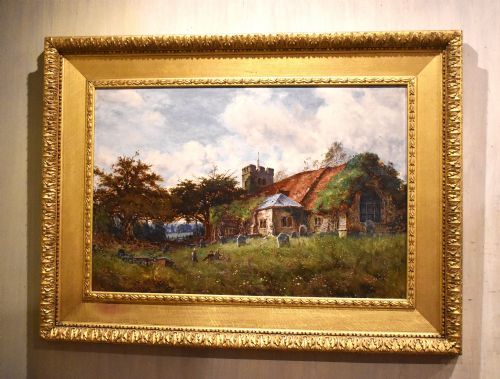
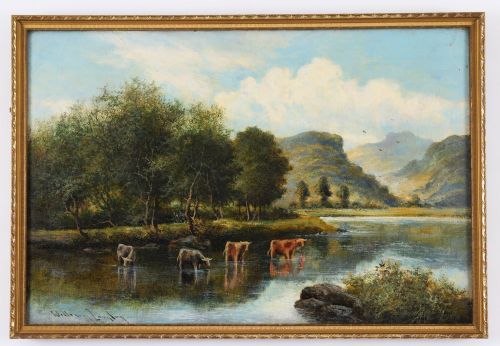
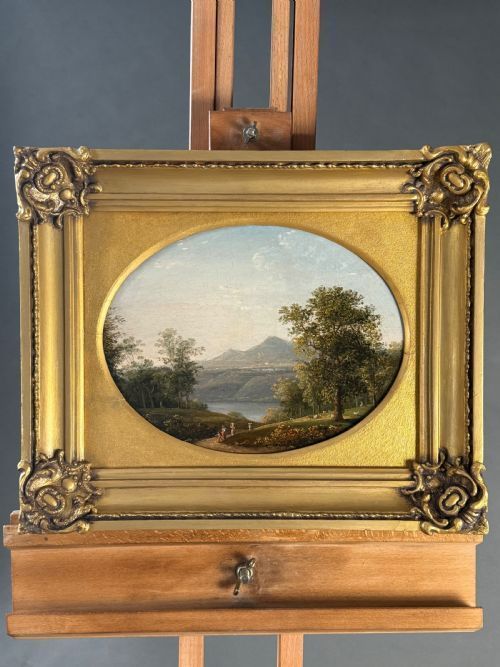
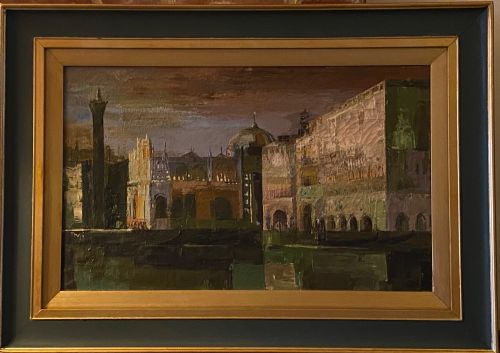
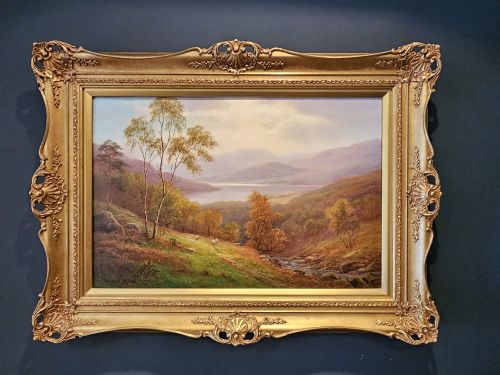
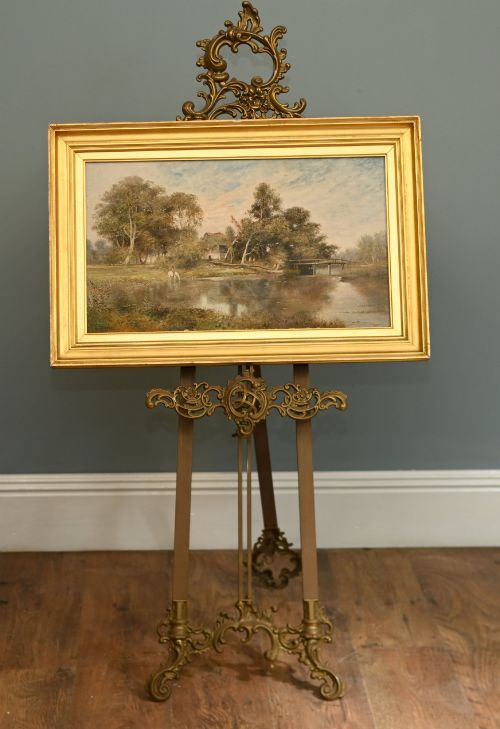
When you search for green oil canvas artwork, you encounter original paintings and fine art works executed in oil paint upon woven fabric supports. The pieces span centuries from the seventeenth century through to the middle of the twentieth century, taking the form of framed wall art and oil paintings.
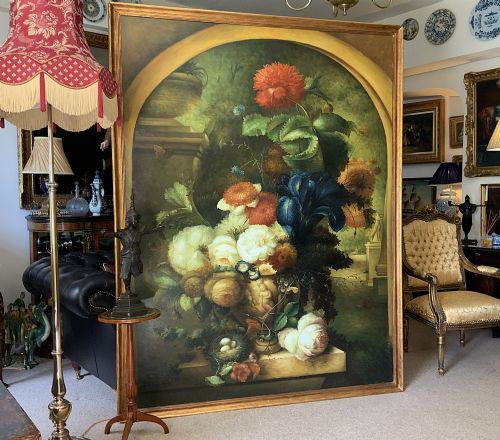
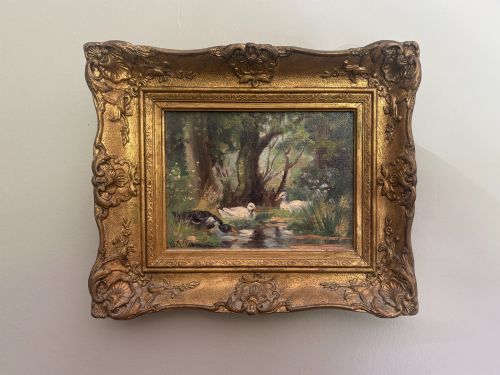
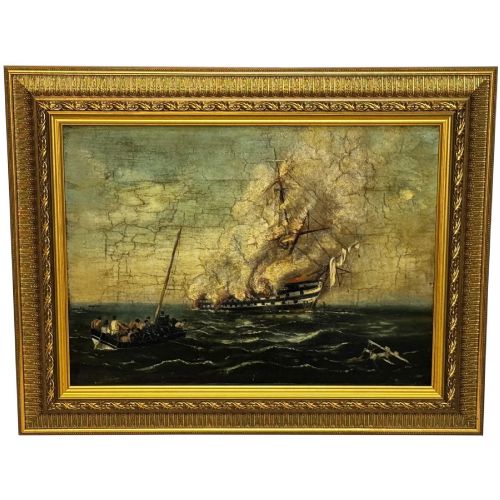
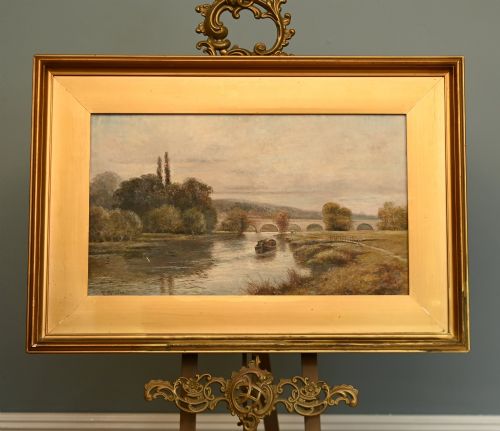
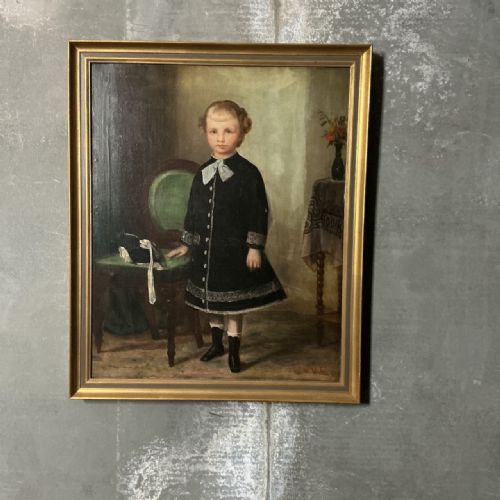
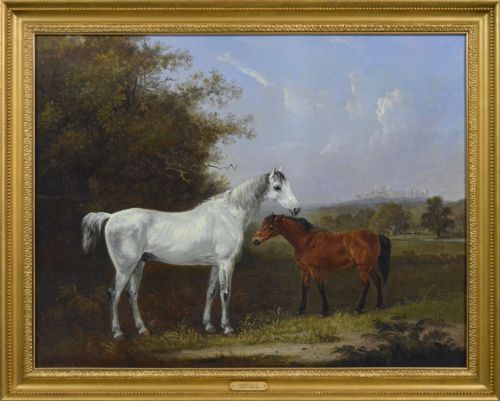
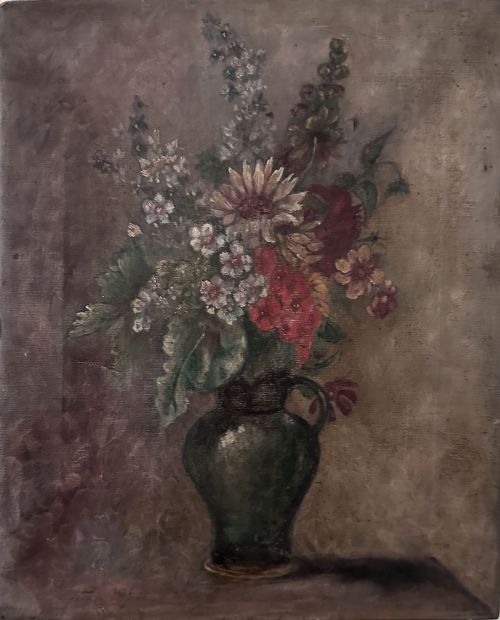
The selections available on this page lean heavily toward nineteenth century landscapes, pastoral scenes, and woodland views where verdant hues dominate the composition. Works range from intimate rustic portraits to monumental still lifes and coastal seascapes.
Makers and schools represented across the selections include British Impressionism, Modern British, Post-Impressionism, and nineteenth century romanticism. You will find both signed individual paintings by listed artists and works originating from continental European schools.
Materials and Technique
The foundational support relies upon woven canvas stretched across wooden frames, providing a textured tooth that grips the pigment. Artisans applied layers of oil paint, sometimes utilising thick impasto techniques to build physical depth and surface relief.
Pigments were mixed with drying oils to create pliable paints that allowed artists to blend subtle shades of green, brown, and ochre directly upon the surface. Many pieces retain their period frames constructed from wood, occasionally accented with gilt or giltwood finishes.
The inventory includes British Impressionism, Post-Impressionism, and 19th Century Romanticism styles within landscapes and still life subjects.
Assessing Quality
Quality rests upon the confidence of the brushwork and the structural stability of the canvas support. Superior examples demonstrate a secure bond between the oil layers and the fabric, showing minimal craquelure or destabilisation.
Compositional balance and handling of light distinguish finer works from standard decorative pieces. The interplay of shadow and verdant tone reveals the artist's command over the pigment.
Eugène Verboeckhoven·Richard Sebastian Bond·William Beattie-Brown·Sir Peter Lely·Frederick Marriott·John Horace Hooper·George Houston·Herbert Royle·Robert Morson Hughes·Thomas W Lascelles·Gabriel Mathieu·David Bates·William Broome·Benjamin Barker Of Bath·Walter Heath Williams·Mark Ingram·John Lübschitz·Antonio DeVity·Konstantin Stoitzner·Jean-Gabriel Domergue·Edward Ladell·Lucy Pratt·Raymond Booth·Francis Plummer·Joseph Biel
The Green Oil Canvas Artwork Glossary
- Impasto
- Paint applied thickly to a canvas so that it stands out in relief from the surface. This technique allows brush marks and knife strokes to catch the light and create physical texture.
- Giltwood
- Wood that has been coated with a thin layer of gold leaf or gold powder. It frequently frames nineteenth century oil paintings to add reflective brilliance.
- Post-Impressionism
- An art movement extending the limitations of impressionism while retaining its use of vivid colours. Artists prioritised symbolic content and expressive brushwork.
- Canvas
- A heavy woven fabric used as a surface for oil painting. It is typically stretched tightly over a wooden frame before application of the ground layer.
- Still Life
- A painting featuring an arrangement of inanimate objects such as flowers, fruit, or fish. These compositions test the artist's ability to render light and texture closely.
Green Oil Canvas Artwork: Frequently Asked Questions
How should I hang an oil canvas artwork?
Support the weight of the frame using sturdy picture hooks secured directly into wall studs or appropriate wall anchors. Avoid hanging canvases in areas subject to direct sunlight or damp conditions.
Keep the painting away from direct heat sources such as radiators to prevent the canvas and wooden stretcher from warping over time.
What periods do these green oil paintings come from?
The works span multiple centuries, with significant representation from the nineteenth century alongside pieces from the seventeenth, eighteenth, and mid-twentieth centuries. Styles evolve from classical and romantic interpretations toward impressionist and post-impressionist approaches.
Each period brings distinct framing choices and pigment mixtures that help define the era of creation.
What is impasto technique?
Impasto involves laying oil paint onto the canvas in thick strokes that retain the marks of the brush or palette knife. This creates a three-dimensional texture on the surface of the artwork.
Artists utilised this method to catch natural light and impart a sense of movement, particularly in foliage and water scenes.