



Classical Cherub Wall Art
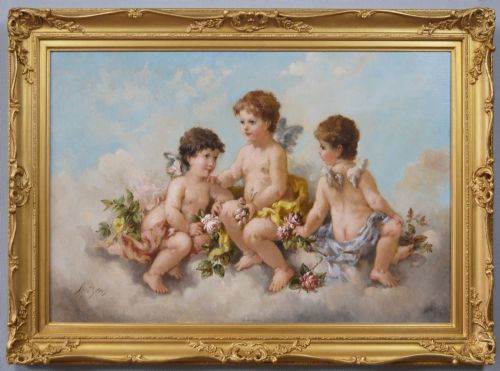
Classical cherub wall art brings painted putti and winged figures into your rooms, drawing on centuries of myth and divine innocence.
Classical Cherub Wall Art
Classical cherub wall art encompasses oil paintings, engravings, and relief plaques featuring winged divine figures and putti. Buyers searching this phrase encounter works ranging in period from the eighteenth century through to the twentieth century.
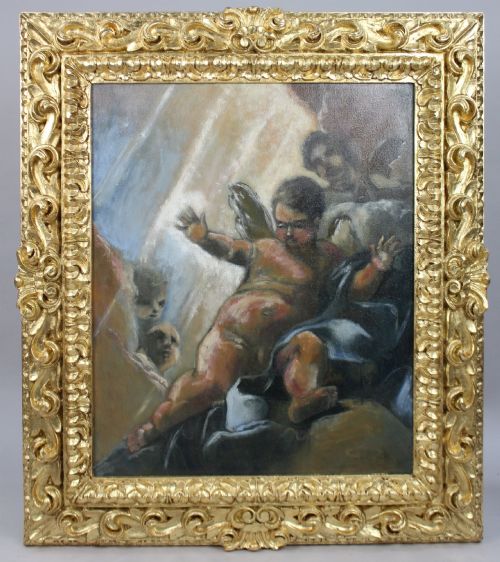
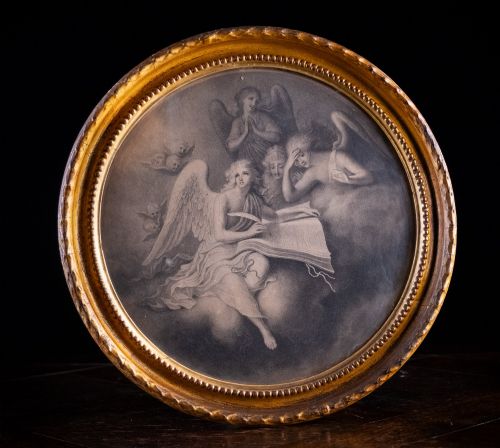
The selections on this page lean heavily towards oil on canvas paintings and framed artworks. You will find both individual canvases and matched pairs depicting cherubs, cupids, and weeping angels.
Origin and style vary from French Rococo and Baroque compositions to Neoclassical and Renaissance interpretations. These pieces function primarily as decorative wall items, often housed within period frames.
Materials and Techniques
Canvas and oil paint form the foundation of the painted works, applied using traditional techniques to capture flesh tones and draped fabrics. Giltwood and carved wood provide the ornate framing necessary for these classical subjects.
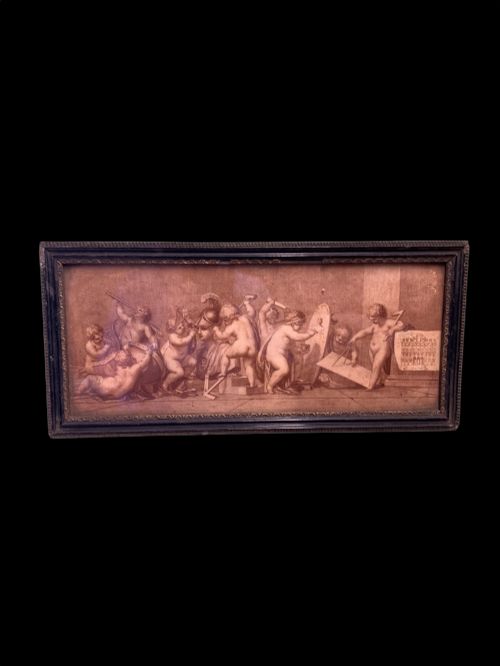
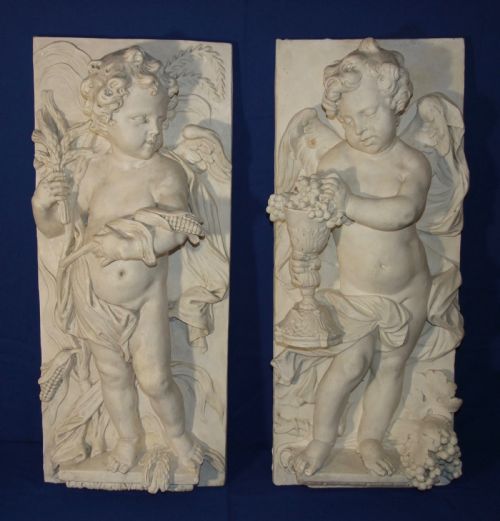
Plaster cast and paper also appear in the record, utilised for wall friezes and engravings respectively. Each material dictates the weight and presentation of the wall art, whether flat on canvas or in relief.
Represented styles include Neoclassical, French Rococo, Renaissance Style, French Art Nouveau, Rococo, Baroque, and French Empire.
Assessing Quality and Execution
Quality rests upon the execution of the figures and the handling of the medium, distinguishing ambitious portraiture and mythological scenes from simpler decorative pieces. The depth of expression in the faces of the putti and the integration of background elements show the hand of the artist.
The condition of the canvas, paint surface, and associated frames influences the integrity of the piece. Period frames carved in giltwood add notable substance when they match the age and style of the artwork within.
Domenico Zampieri·Jean Baptiste Isabey·Charles Augustus Henry Lutyens
The Classical Cherub Wall Art Glossary
- Putti
- Plural of putto, representing a chubby male child, often winged, found in classical and renaissance art. They frequently resemble cupids or cherubs in these compositions.
- Giltwood
- Wood that has been coated with gold leaf or gold paint. This finish is typical of decorative frames surrounding classical paintings.
- Camaieu Bleu
- A monochrome painting executed entirely in shades of blue. This technique creates a distinct tonal effect, often seen in eighteenth-century works.
- Grisaille
- A painting executed entirely in shades of grey or neutral greyish-brown. It often simulates the appearance of sculpture or relief work.
- Trompe L'oeil
- An art technique that uses realistic imagery to create the optical illusion that the depicted objects exist in three dimensions. In these listings, it portrays cherubs playing within a simulated architectural space.
Classical Cherub Wall Art: Frequently Asked Questions
What periods do these pieces come from?
The listings span several centuries, with a strong representation of eighteenth and nineteenth-century works. You will also encounter later pieces from the early twentieth century.
Each era brings distinct stylistic touches, ranging from French Empire and Rococo to Arts and Crafts interpretations.
How do I hang a heavy giltwood frame?
Heavy framed oil paintings require robust picture hooks secured directly into wall studs or appropriate masonry fixings. The weight of carved giltwood demands secure hardware to protect both the frame and the wall.
Consult a professional framer if you are uncertain about the hanging weight of larger canvases.
What is the difference between a cherub and a putto?
While modern usage often treats them interchangeably, art historians distinguish between biblical cherubim and secular putti. Putti originate from classical mythology as winged infants associated with love and play.
The pieces in this selection generally depict these mythological putti and cupids rather than strict theological cherubs.
How do I care for an oil painting on canvas?
Keep oil paintings away from direct sunlight and dramatic fluctuations in temperature and humidity to prevent cracking of the paint and canvas. Dust the surface gently with a soft, dry brush without applying pressure.
Avoid using water or chemical cleaners on the canvas or the giltwood frame.