





Green Mirror Frame
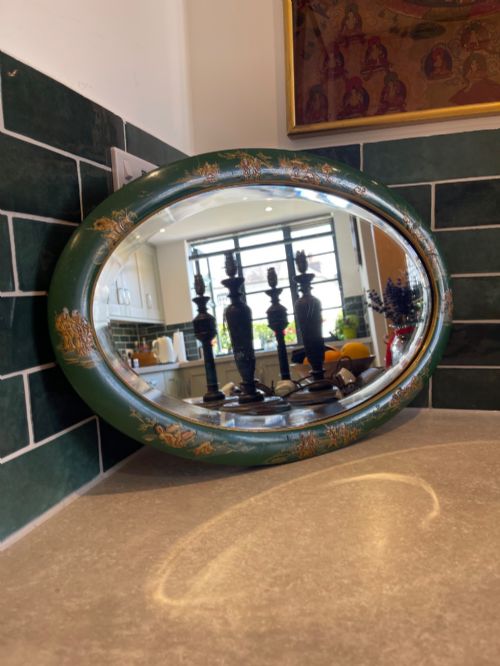
A green mirror frame brings instant colour and presence to a room, offering the distinct charm of painted wood, giltwood and carved detail.
Green Mirror Frame
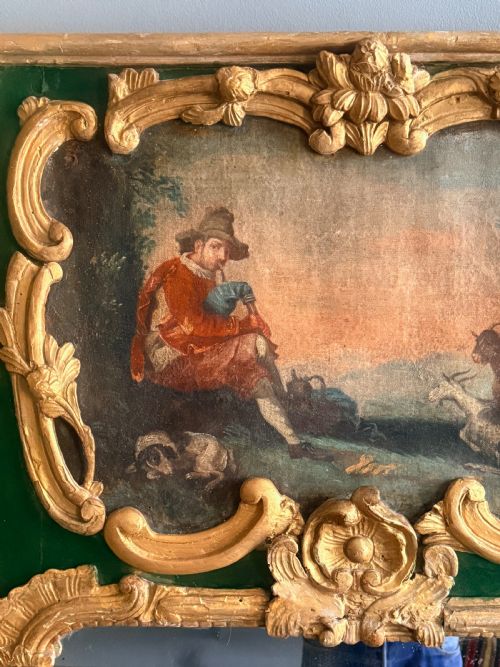
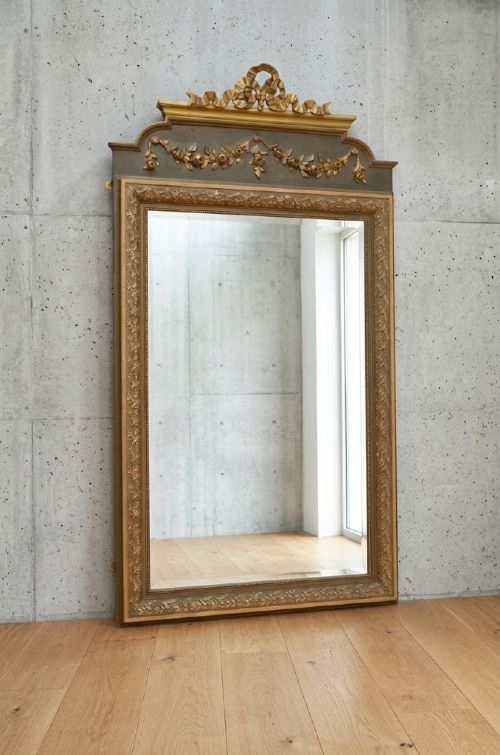
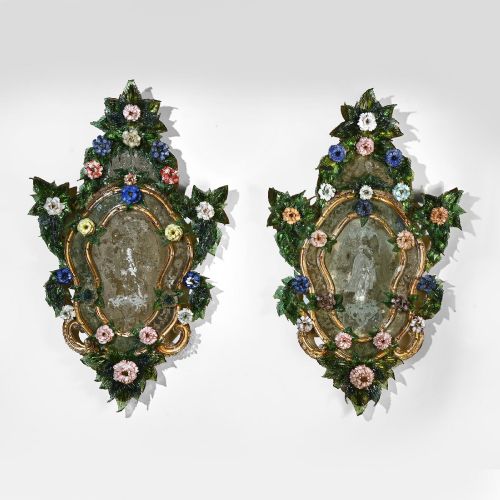
When you search for a green mirror frame, you encounter a varied selection of wall mirrors, trumeau mirrors and table mirrors spanning several centuries. The examples here range from Venetian Rococo and Italian Florentine styles to Edwardian, French Rococo and Mid-Century designs.
Most pieces combine painted wood or glass with decorative elements such as gilt, gold leaf and carved crests. You will frequently find items originating from Italy, France and England, dating from the eighteenth century through to the mid-twentieth century.
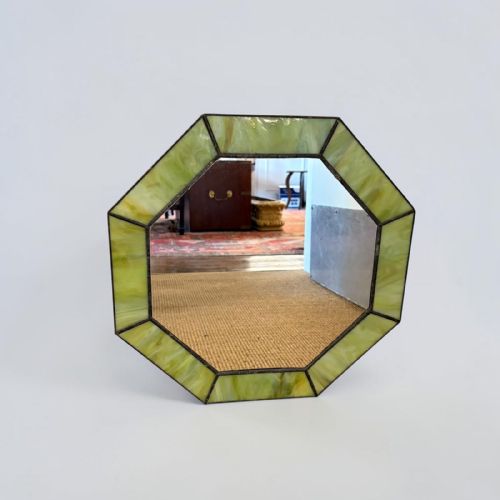
These items serve as striking focal points in hallways, living rooms and bedrooms. Their forms vary from octagonal and arched window shapes to elaborate frames featuring cherubs, ribbons and polychrome finishes.
How they were made
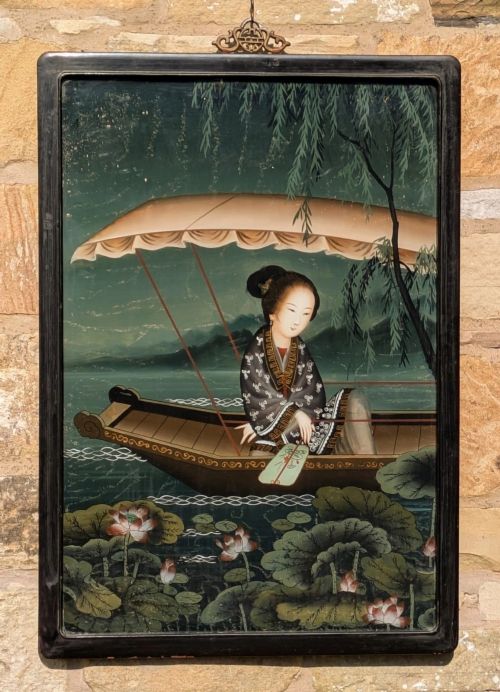
Makers shaped these objects using wood such as oak, satinwood and painted timber, often applying layers of paint, giltwood or gold leaf to achieve their distinct surfaces. Many incorporate traditional mirror glass and reverse painting techniques on glass.
Carved details like cherubs and ribbon crests demonstrate skilled carpentry and moulding traditions from periods including the Victorian era, the Belle Époque and the Regency period. Brass and glass elements appear alongside wood to create structured wall and table mirrors.
Green Mirror Frame Retail Price Guide 2026
Typical asking prices for green mirror frame among the pieces listed under this phrase on Sellingantiques today, from the lower quarter to the upper quarter. They describe what is for sale here now, not the wider market.
Among the painted woodwork and gilded frames, a carved cherub crest quietly watches over the room from an Edwardian wall mirror.
What varies in quality
The standard of craftsmanship depends on the depth and precision of the carved decoration, particularly on complex crests and frames featuring giltwood. Finer examples display carefully proportioned frames and well-preserved painted or gilded surfaces.
The integrity of the wood, the clarity of the mirror glass and the authenticity of the period finish distinguish standard production from exceptional pieces. Italian Florentine and Venetian pieces often show distinctive hand-painted polychrome work that influences their overall character.
The Green Mirror Frame Glossary
- Trumeau mirror
- A decorative mirror designed to fit a specific wall panel or space above a mantelpiece. These often incorporate painted scenes or carvings above the glass plate.
- Giltwood
- Wood that has been treated with gold leaf or a gold-coloured finish. This technique enhances the decorative appeal of frames from periods such as the Regency and Victorian eras.
- Polychrome
- Decorated in multiple colours. This style appears frequently on Venetian and painted wooden items.
- Chinoiserie
- European interpretations of Chinese and East Asian artistic traditions. This style is visible on specific wall mirrors within the selection.
- Convex mirror
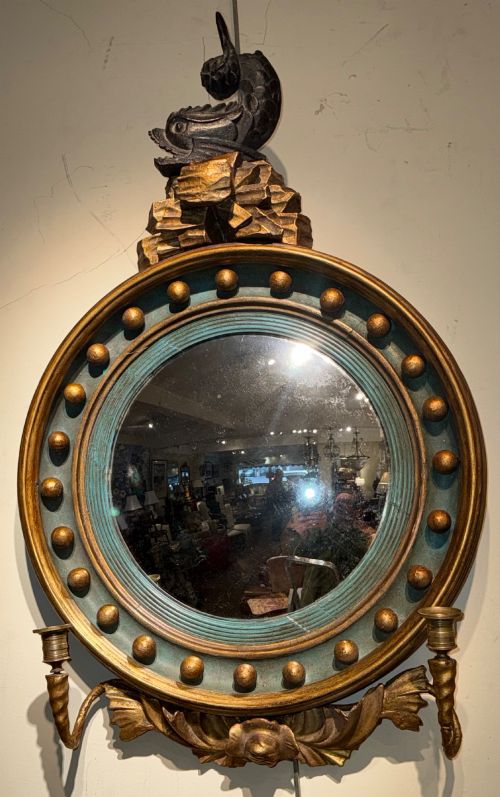
- A round mirror with a curved outward glass surface that reflects a wide-angle view of the room. These frequently date from the Regency period.
Green Mirror Frame: Frequently Asked Questions
How do I hang a heavy green mirror frame?
Ensure your wall fixings match the weight of the wooden or brass frame and secure them directly into wall studs or use appropriate heavy-duty masonry anchors. For larger trumeau or overmantle mirrors, professional installation is often recommended to support the combined weight of the wood and glass.
Check the hanging wire or brackets on the reverse of the frame to ensure they are structurally sound before mounting. Distributing the weight evenly across two fixing points prevents the frame from tilting over time.
Are these antique frames fragile?
Older painted wood, giltwood and glass require careful handling to preserve their original finishes. Avoid placing them in areas subject to excessive moisture or direct sunlight, which can damage paint and gold leaf.
Dust the frames gently with a dry, soft cloth and avoid using harsh chemical cleaners on the painted surfaces or antique glass. Regular, gentle maintenance keeps the materials stable without altering the patina.
How do I identify the period of a mirror?
Look closely at the construction materials, joinery techniques and stylistic motifs such as Rococo curves or Edwardian satinwood inlay. The specific combination of paint, gilt and mirror glass manufacture often points to a particular century or design movement.
Comparing the hardware on the back of the frame, such as screws or backing boards, also helps determine the approximate age of the piece. Subtle signs of wear on the wood and glass provide further context regarding its history.
Where should I place a green mirror in a room?
Position the mirror opposite a window to maximise natural light and create a sense of space in smaller interiors. Their distinct painted frames allow them to act as standalone pieces of wall art above mantels or console tables.
Consider the surrounding colour palette of your room to let the green tones of the frame complement existing furniture and decor. Height placement should ideally centre the glass at eye level for comfortable everyday use.