


Green Marble Clock
A green marble clock brings weight and structure to a room, combining heavy stone with precise metalwork from the nineteenth and twentieth centuries.

Green Marble Clock
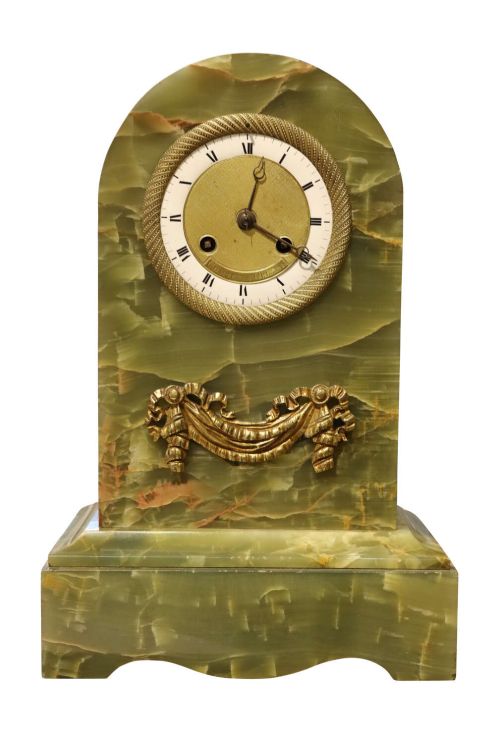
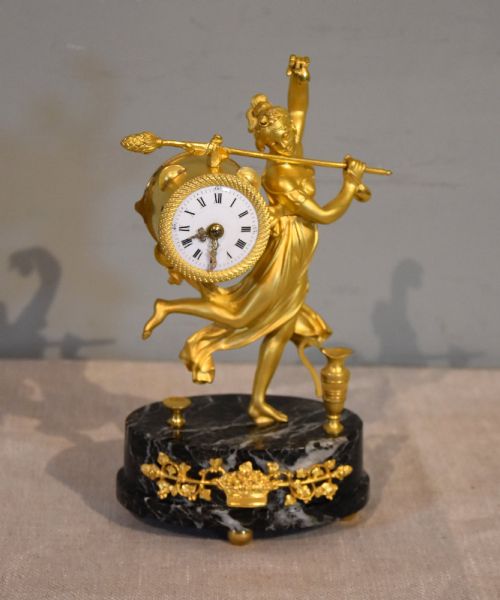
A green marble clock is a heavy domestic timepiece housed within polished stone, frequently accompanied by metal mounts, side garnitures, or sculptural figures. These pieces range from severe nineteenth-century architectural mantel clocks to streamlined twentieth-century designs, often appearing alongside related onyx and slate examples.
Buyers seeking a green marble clock encounter a diverse selection of French and English formats, spanning ornate Victorian architectural cases and geometric Art Deco models. The form serves both as a functional timekeeper and a substantial decorative centrepiece for a mantelpiece or desk.
Materials and construction
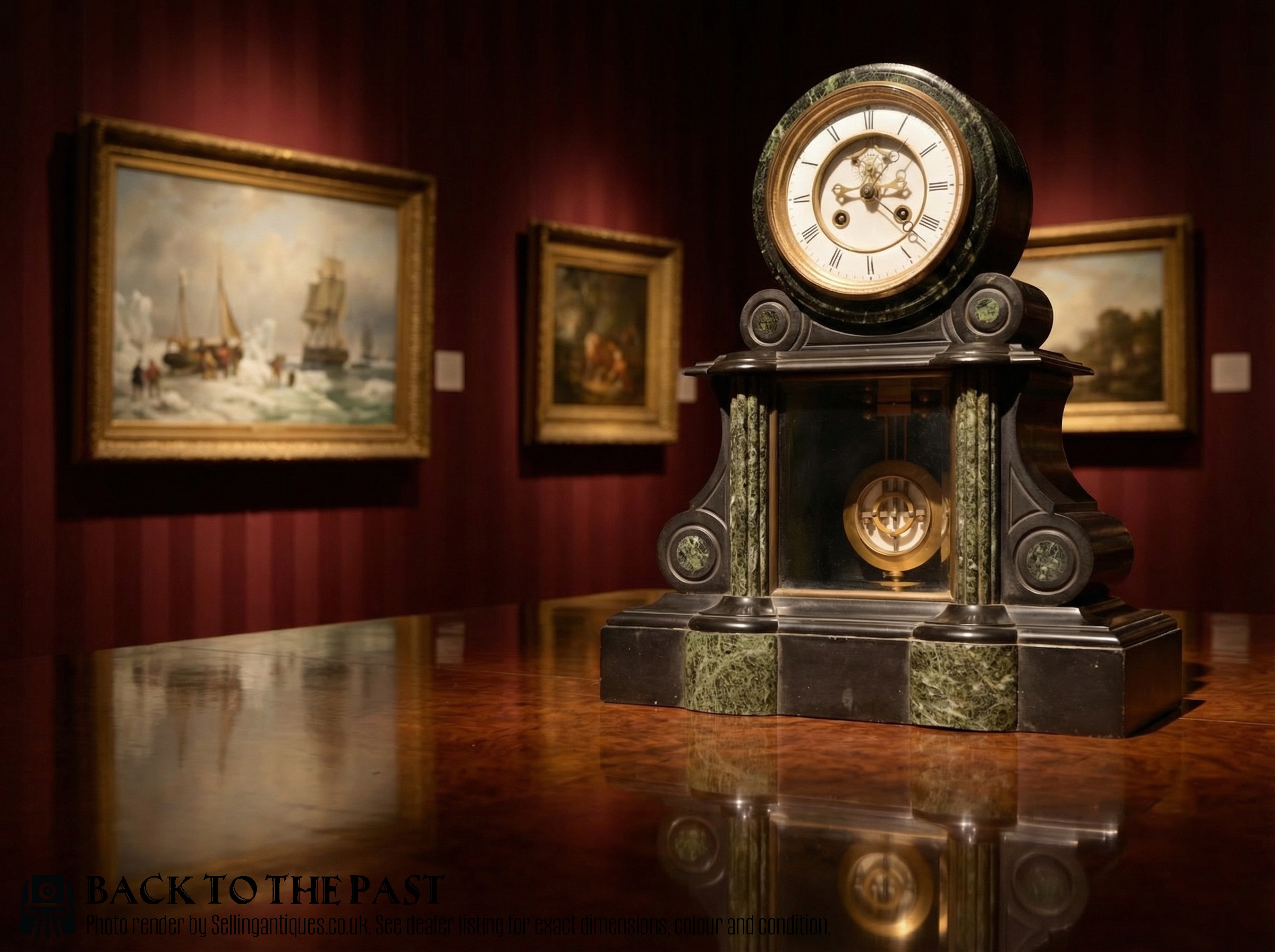
Makers shaped natural green marble, green onyx, and slate into substantial architectural housings, often combining the stone with cast brass, ormolu, bronze, and gilt mounts. Enamel dials and protective glass bezels complete the face of the clock, whilst internal movements rely on traditional brass gear trains.
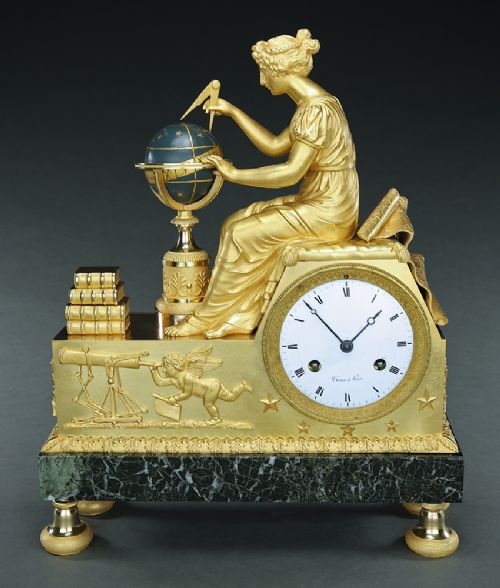
Foundries and workshops utilised sophisticated casting techniques for bronze and ormolu ornamentation, mounting sculptural figures by artists such as Auguste Moreau, Michel Decoux, or Ferdinand Priess alongside the stone housings. Inlaid marble panels and champleve enamel work further demonstrate the varied decorative methods employed by period makers.
Green Marble Clock Retail Price Guide 2026
Typical asking prices for green marble clock among the pieces listed under this phrase on Sellingantiques today, from the lower quarter to the upper quarter. They describe what is for sale here now, not the wider market.
Listings feature green marble, green onyx, and slate across Victorian and Art Deco periods, paired with brass, glass, and gilt bronze.
Factors of quality
Quality rests in the crispness of the bronze or ormolu cast, the depth of the marble polishing, and the refinement of the dial work rather than sheer size. Superior examples feature intricate sculptural castings, signed movements by notable makers, and matching garniture sets that survive intact.
Plain utilitarian cases contrast with elaborate portico designs or pieces incorporating specialised complications like calendar dials and penny moon phases. The integration of patinated bronze figures and complex mechanical movements elevates an ordinary timepiece into a masterwork of its period.
Charles à Orléans·Victor Paillard·Pinchon Fils Paris·Garrards·Charpentier Foundry
The Green Marble Clock Glossary
- Garniture set
- A central clock flanked by matching decorative objects such as urns, vases, or candelabras, designed to sit together on a mantelpiece.
- Ormolu
- Gilded bronze used for decorative mounts and architectural details on period clock cases.
- Champleve
- An enamelling technique where troughs are dug into a metal surface and filled with vitreous colour before firing.
- Portico clock
- A clock case styled after classical architecture with supporting pillars framing the pendulum.
- Silk suspension
- An early method of hanging a pendulum from a silk thread inside the movement, seen on nineteenth-century pieces.
Green Marble Clock: Frequently Asked Questions
How do I maintain the movement?
Clock movements require regular servicing and professional oiling by a horologist to keep the brass gear trains functioning smoothly.
Avoid placing the heavy stone case near direct heat sources or damp environments that could affect the internal metal components.
Are garniture sets complete?
Many surviving pieces retain their original matching side vases or candelabras, though some are offered as standalone clocks.
Checking the proportions and the matching stone or metal details helps confirm the integrity of a full set.
How do I date these clocks?
Stylistic clues such as classical columns point to nineteenth-century Victorian or Empire origins, whilst geometric lines indicate Art Deco periods.
Signatures on the dial or movement backplate often provide more precise maker and workshop attribution.
Where should I display them?
Because green marble clocks are exceptionally heavy, they require a deep, sturdy mantelpiece or firm piece of furniture for safe placement.
Keep them away from high-traffic areas where vibrations could disturb the pendulum or cause the heavy stone to shift.