




Green Glazed Earthenware Urn
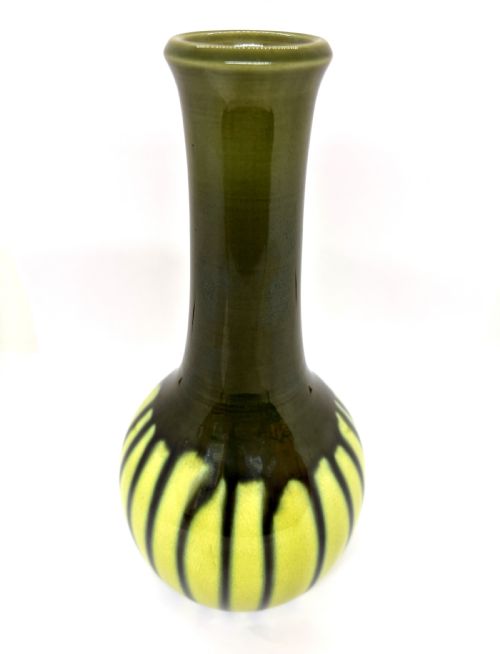
These green glazed earthenware urn vessels span centuries of regional pottery, offering tactile surface depth and classical form for modern interiors.
Green Glazed Earthenware Urn
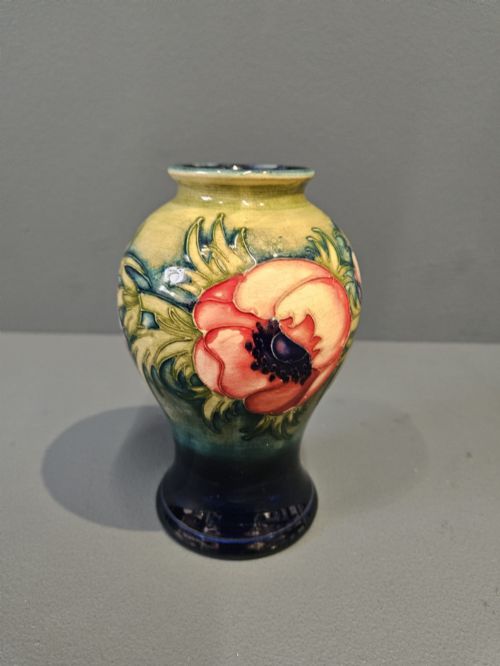
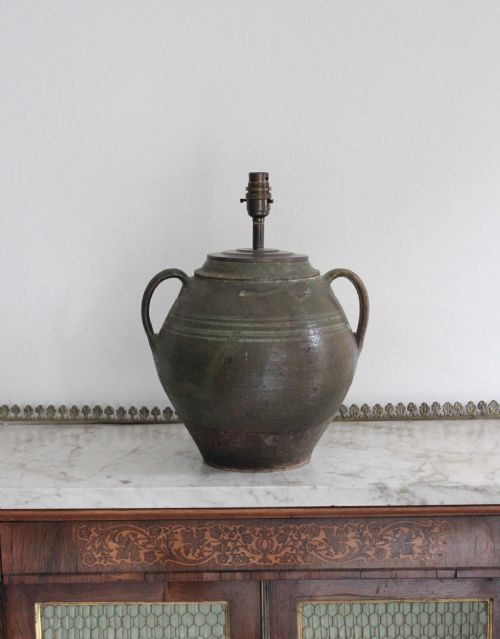
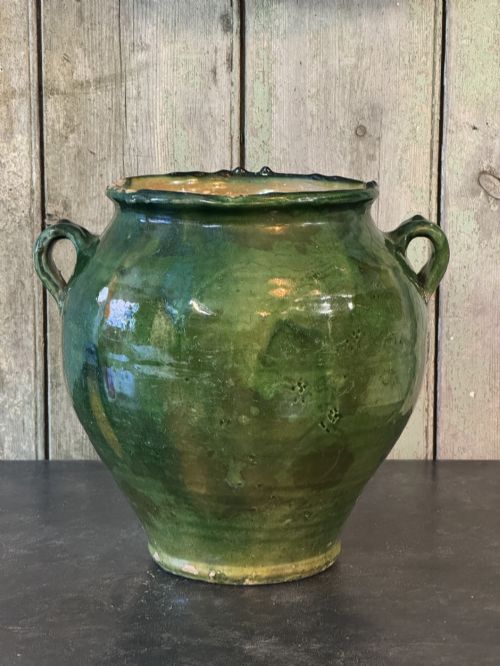
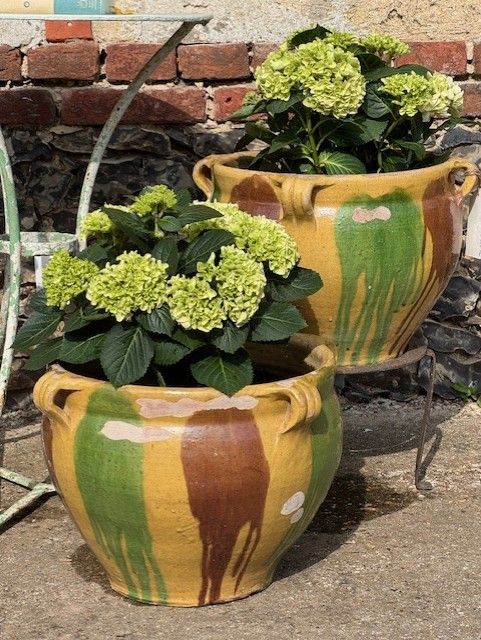
A green glazed earthenware urn encompasses a diverse group of regional vessels, French confit pots, Italian majolica, and British art pottery. Confit pots and olive jugs from France form a large share of the available selection, alongside English art pottery vases and Italian jardinieres.
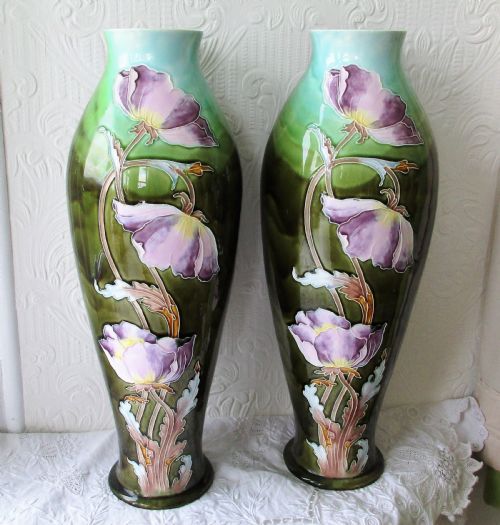
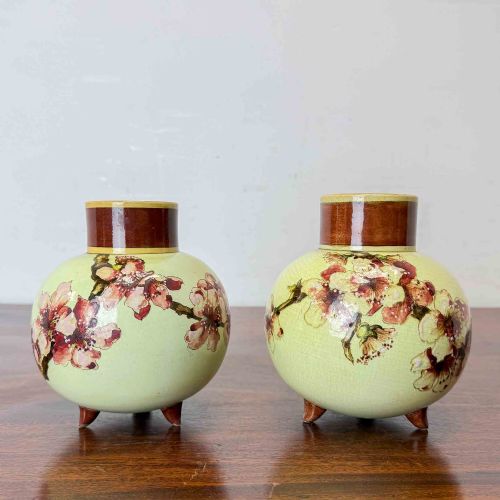
Makers shaped these pots across the seventeenth, eighteenth, nineteenth, and twentieth centuries, utilising earthenware, terracotta, and faience. Styles range from French country and provincial work to Art Nouveau, Arts and Crafts, and Renaissance Revival designs.
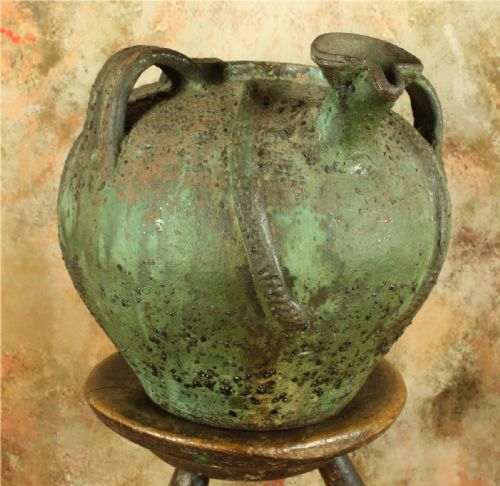
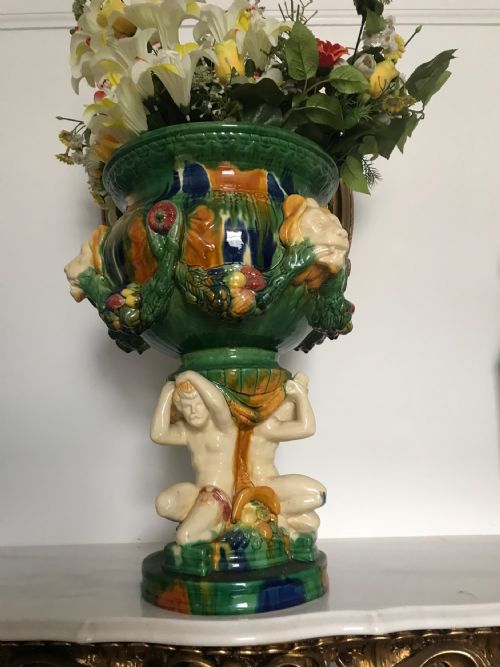
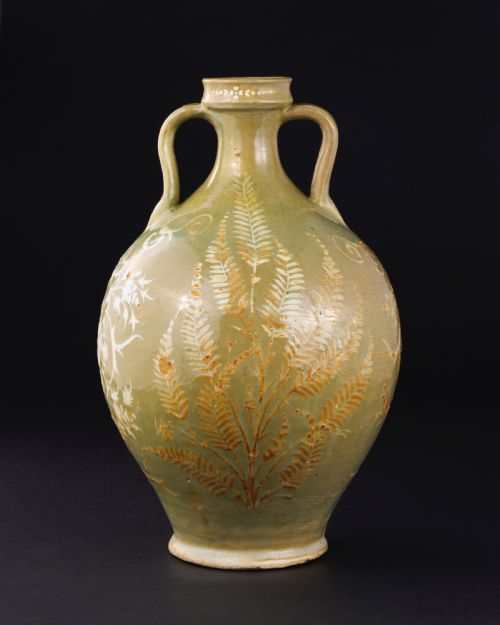
The objects serve primarily as decorative pots, planters, and storage vessels rather than strict urns. Buyers encounter forms ranging from three-handled olive jars to pedestal-mounted majolica planters and tall amphora vases.
Materials and Techniques
Potters shaped these vessels from local earthenware clays and terracotta, building mass on the wheel or moulding figures by hand. Artisans then applied lead or tin based glazes over the porous body, resulting in rich green tones that pool in the crevices.
Firing took place in traditional kilns, where fluctuating temperatures created characteristic surface variations like dribble glazes and crazing. Makers sometimes added applied decorative elements, such as figural bases or lion head handles, prior to glazing.
Green Glazed Earthenware Urn Retail Price Guide 2026
Typical asking prices for green glazed earthenware urn among the pieces listed under this phrase on Sellingantiques today, from the lower quarter to the upper quarter. They describe what is for sale here now, not the wider market.
Judging Quality
Quality rests in the depth of the glaze application and the crispness of the modelled detail on figural or relief decoration. Pieces featuring intentional dribble effects or uniform coverage display better control than flat, dull surfaces.
The balance of the form and the integrity of the earthenware body distinguish standard utilitarian vessels from exceptional studio or factory pieces. Heavier baseline potting and well-preserved historic surfaces separate desirable examples from lesser utilitarian wares.
Burmantoft's Pottery·Doulton Lambeth·Julius Dressler·Brannam Art Pottery·J R Mally Co·Minton
The Green Glazed Earthenware Urn Glossary
- Earthenware
- Porous pottery fired at lower temperatures, requiring a glaze to hold liquids. This material forms the baseline body for most confit pots and garden vessels.
- Majolica
- Opaque tin-glazed earthenware decorated with brightly coloured metal oxide paints. Italian and English potteries utilised this technique for vibrant decorative vases and jardinieres.
- Confit Pot
- A French utilitarian earthenware vessel featuring handles, used historically for preserving meats. These pots frequently display rich green glazes over terracotta bodies.
- Faience
- European tin-glazed earthenware, particularly associated with French and English decorative wares. It provides a smooth white ground for colourful or monochrome glaze effects.
- Amphora
- A two-handled ancient vessel shape revived by nineteenth-century potteries. These tall, narrow forms appear frequently in terracotta and glazed ceramic.
Green Glazed Earthenware Urn: Frequently Asked Questions
What is a green glazed earthenware urn used for?
These vessels functioned originally for storing food, carrying water, or holding oils in domestic and agricultural settings across Europe.
Today, buyers utilise them primarily as decorative floor pots, table vases, and planters for indoor greenery.
How do I date a green glazed earthenware urn?
Dating relies on identifying the pottery mark, the manufacturing style, and the characteristics of the earthenware body.
Nineteenth and twentieth-century examples often bear factory stamps or registration numbers, whereas earlier provincial confit pots show distinct hand-thrown potting traits.
What is the difference between terracotta and earthenware?
Terracotta is unglazed or clear-glazed porous brownish-red earthenware fired at relatively low temperatures.
Earthenware is the broader category of clay pottery, which makers coated in opaque green, lead, or tin glazes for the vessels found here.
Where were these green glazed vessels made?
The pieces originate from various European ceramic centres, including provincial workshops in France and Italy.
English potteries also produced significant quantities in styles inspired by continental majolica and Art Nouveau movements.