


Green Glazed Ceramic Ornament
When you search for a green glazed ceramic ornament, you find figures, spill vases and decorative objects finished in rich lead, sancai or tin glazes.
Green Glazed Ceramic Ornament
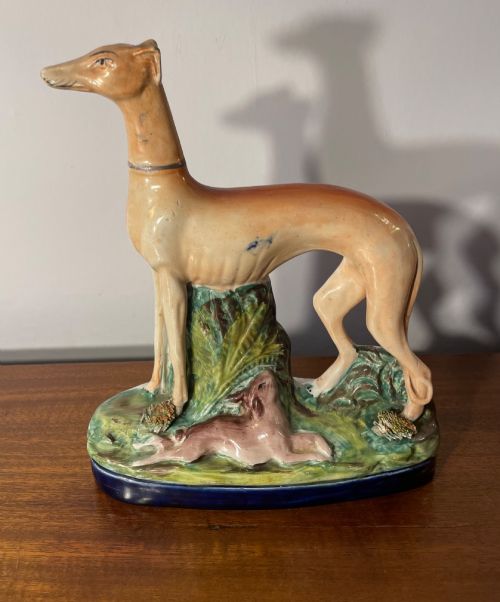
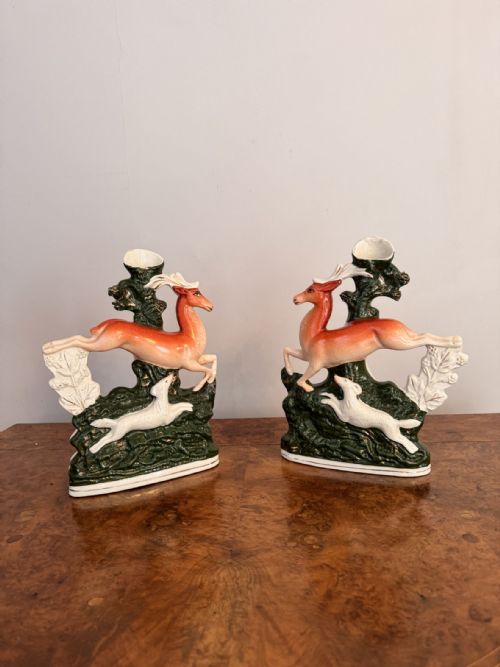
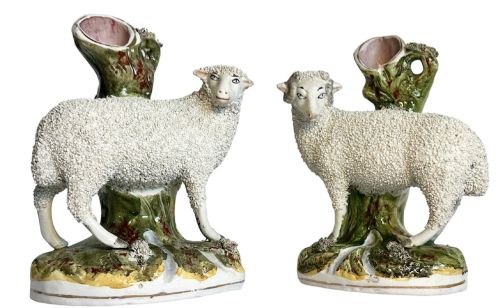
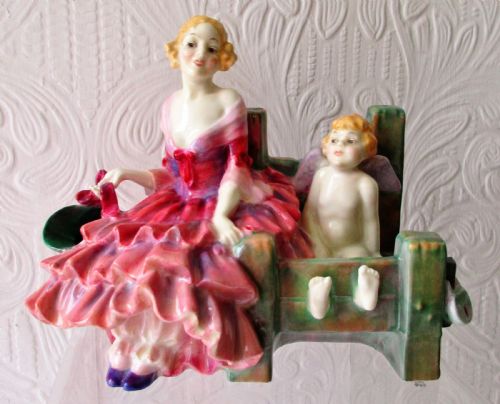
A green glazed ceramic ornament covers a broad range of figures, animals and architectural subjects made across the eighteenth, nineteenth and twentieth centuries. These pieces appear in forms as varied as Staffordshire sheep and deer spill vases, Victorian cottages, Chinese ducks, and Art Deco cats and ladies.
The selection on this page draws heavily on nineteenth-century Staffordshire pottery and porcelain from European and Asian kilns. Buyers encounter everything from English earthenware figures and pearlware groups to Japanese Shishi lions and French faience.
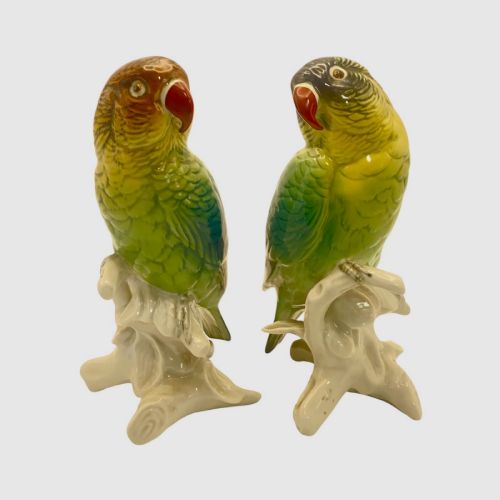
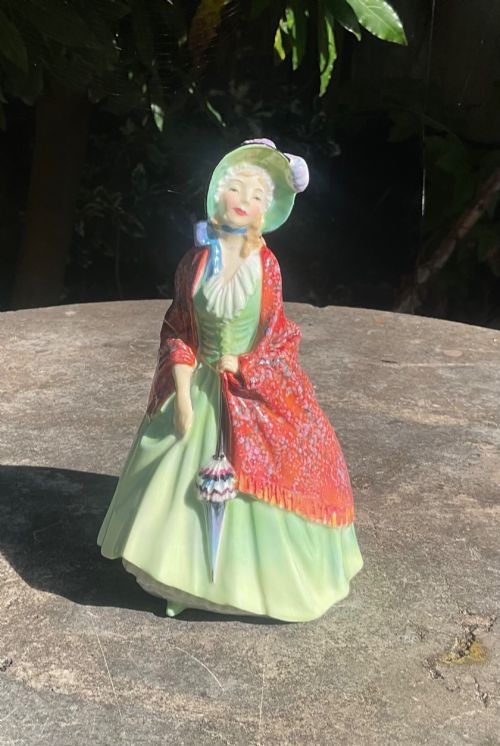
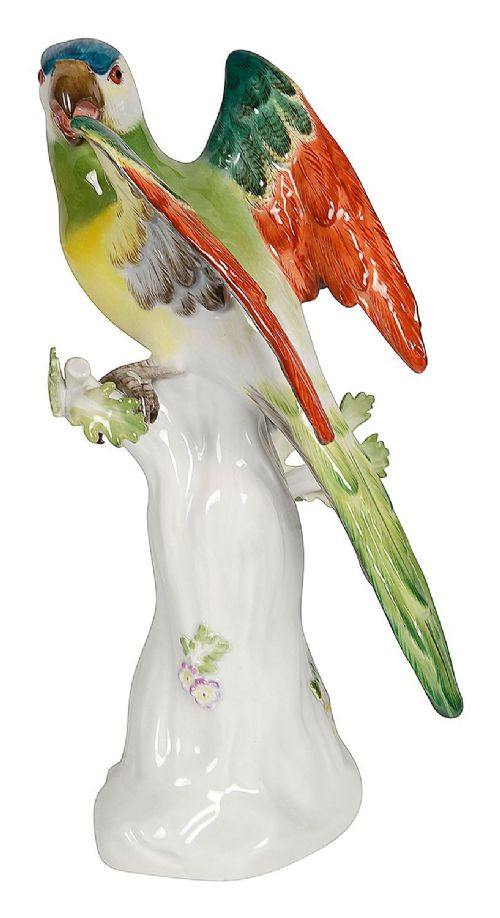
Domestic animals, birds such as parrots and pheasants, and human subjects dominate the forms available. Makers rendered these subjects as standalone decorative objects, functional spill vases, and paired ornaments intended for mantelpieces and display cabinets.
How they were made
Potters shaped these pieces using earthenware, bone china, pearlware and porcelain, applying lead glazes, enamel colours and tin glazes to seal and colour the ceramic body. Many nineteenth-century Staffordshire pieces rely on slip casting or hand moulding finished with rich green lead glazes that pool in the recesses of the model.
Far Eastern and European works utilise specialised high-fired techniques, including sancai glazes on Chinese porcelain and earthenware bodies, alongside hand-painted enamel details. Artisans balanced the fluid nature of the glaze with crisp modelling of feathers, fur and architectural lines.
Figurines and spill vases form the majority of the available objects, accompanied by architectural roof ornaments and decorative bowls.
What varies in quality
The application of the glaze itself separates standard output from finer work. Superior examples display an even, luminous coating that pools naturally without obscuring the underlying clay work, while secondary pieces show uneven pooling or dullness.
Karl Ens·Royal Doulton·Meissen·Charles Vyse·Sumida Gawa Pottery·Ralph Wood·Royal Dux·Wedgwood and Co·Shelley·Le Manceau·Minton·Royal Worcester
The Green Glazed Ceramic Ornament Glossary
- Spill vase
- A hollow ceramic vessel designed to hold taper spills for lighting fires and pipes. These containers often take the form of tree trunks beside figures or animals.
- Pearlware
- A refined earthenware developed in the late eighteenth century featuring a subtle bluish glaze that pooled white and blue over a cream body. It served as a popular base for figures and Staffordshire pottery.
- Sancai
- A three-colour glaze tradition, typically incorporating green, amber and cream, used extensively on Chinese figures and later revival pieces. The glazes interact and run slightly during the firing process.
- Faience
- European tin-glazed earthenware produced in imitation of imported oriental porcelain. The opaque white glaze accepts painted colours directly before a final kiln firing.
- Shishi
- A traditional Japanese guardian lion or dog sculpted with stylised curls and fierce expressions. These ceramic models often served as architectural roof ornaments or decorative table figures.
Green Glazed Ceramic Ornament: Frequently Asked Questions
What are green glazed ceramic ornaments?
These pieces comprise moulded ceramic figures, animals, cottages and spill vases finished primarily in green lead, tin or sancai glazes. They span multiple centuries and include English earthenware, European porcelain and Asian decorative objects.
Potters created them for domestic display, mantelpiece decoration and functional use as spill vases or brush washers. Each era brought distinct stylistic touches to the modelling and glaze application.
How do I date a ceramic ornament?
Dating relies on identifying the ceramic body, glaze characteristics, style and any impressed marks or signatures. Eighteenth-century pieces often use pearlware or tin glaze, while nineteenth-century works frequently feature Staffordshire earthenware.
Twentieth-century examples introduce Art Deco styling, distinct porcelain bodies and specific factory stamps. Comparing the modelling technique with known period pieces helps narrow the decade of production.
Where were these ornaments displayed?
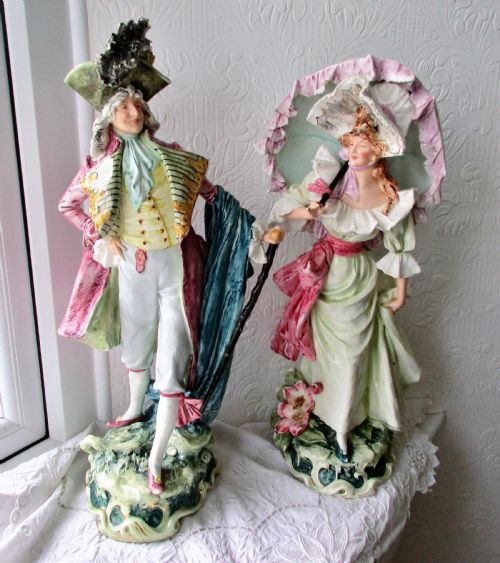
Victorian and Edwardian households placed these decorative figures on mantelpieces, sideboards and within glass-fronted display cabinets. Pairs of animals or human figures often flanked clocks and candelabra.
Smaller items like brush washers and spill vases sat on desks and tables for daily use. Their colourful glazes added bright accents to period interiors.
How do I care for antique ceramics?
Antique ceramics require gentle dusting with a soft, dry cloth to prevent accumulation on textured glaze surfaces. Avoid using liquid cleaners or submersing pieces with painted enamel details or historical repairs.
Keep ornaments away from direct sunlight and areas subject to sudden temperature fluctuations. Stable indoor conditions protect both the ceramic body and the delicate surface glazes.