







White Porcelain Animal Figure
These white porcelain animal figure examples bring centuries of European and Asian ceramic modelling into the room with crisp glazes and lively forms.
White Porcelain Animal Figure
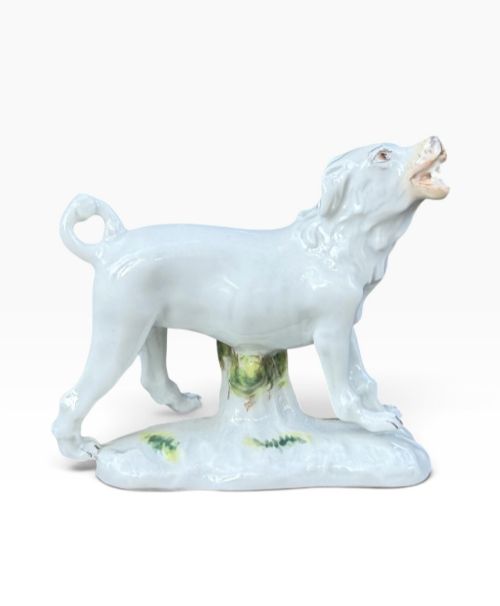
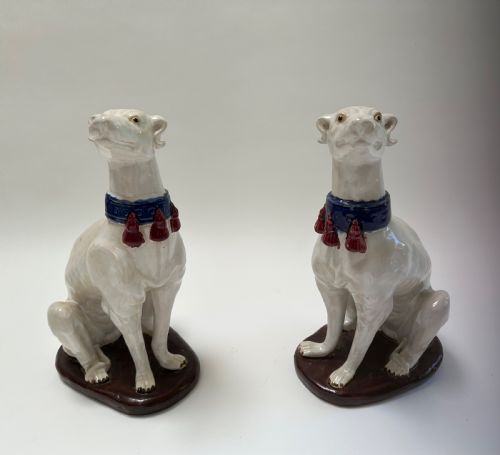
A white porcelain animal figure selection spans domestic pets, wild beasts and farm animals shaped across the eighteenth, nineteenth and early twentieth centuries. Collectors encounter dogs, stags, sheep, boars and exotic creatures modelled as single ornaments, pairs and lamp bases.
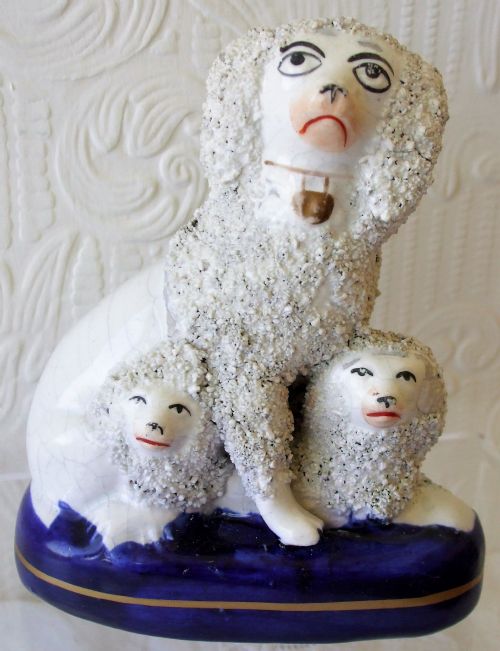
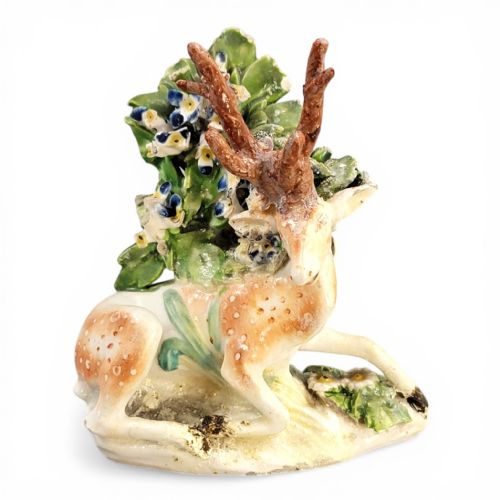
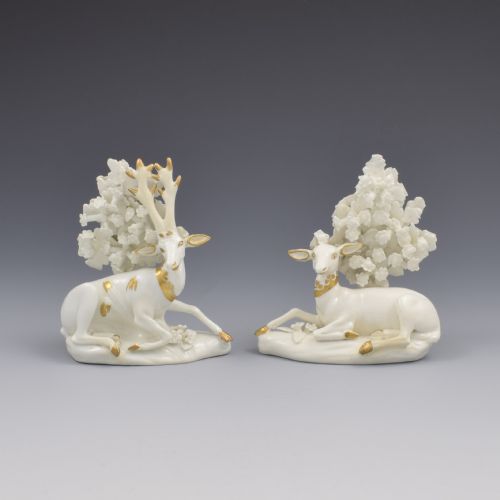
English factories like Derby, Staffordshire and Minton appear alongside continental works from Meissen, Sitzendorf and Japanese Hirado kilns. These objects range from naturalistic recumbent stags with bocage backgrounds to decorative poodles and miniature canine studies.
How they were made
Makers utilised soft-paste and hard-paste porcelain alongside pearlware and earthenware bodies to shape these animals in moulds or by hand. Glazing sealed the ceramic base, producing smooth white surfaces that sometimes incorporate enamel colours, gilt highlights or tactile blanc de chine finishes.
Listings feature 19th Century, Georgian, and 1880 periods across porcelain, earthenware, and glaze materials.
What varies in quality
The sophistication of the factory design and the preservation of delicate appurtenances such as bocage foliage separate standard production items from exceptional workshop examples. Pairs and matched sets also demand greater sculptural consistency between the individual figures.
Meissen Porcelain·Derby Porcelain·Sitzendorf Porcelain·Minton Porcelain
The White Porcelain Animal Figure Glossary
- Blanc de chine
- A French term for white Chinese porcelain, adopted by European factories to describe unpainted white glazed figures. It highlights the pure tone of the ceramic body without enamel distraction.
- Bocage
- Applied background foliage made of clay or porcelain, common behind eighteenth-century animal and human figures. This delicate leafy screen frames the modelled subject.
- Pearlware
- An earthenware body developed in the late eighteenth century with a bluish glaze that pooled in recesses to create a whiter appearance. Staffordshire potteries used this material extensively for animal figures.
- Recumbent
- Lying down or resting, a posture frequently used for figures of stags and dogs to fit stable ceramic bases. This position allowed sculptors to balance heavy animal bodies during firing.
White Porcelain Animal Figure: Frequently Asked Questions
How do I identify eighteenth century pieces?
Eighteenth century figures often display soft-paste porcelain bodies, hand-modelled details, and characteristic glaze pooling in the recesses.
Examination of the underside and any factory marks helps confirm the early production period.
Were these animals meant for lighting?
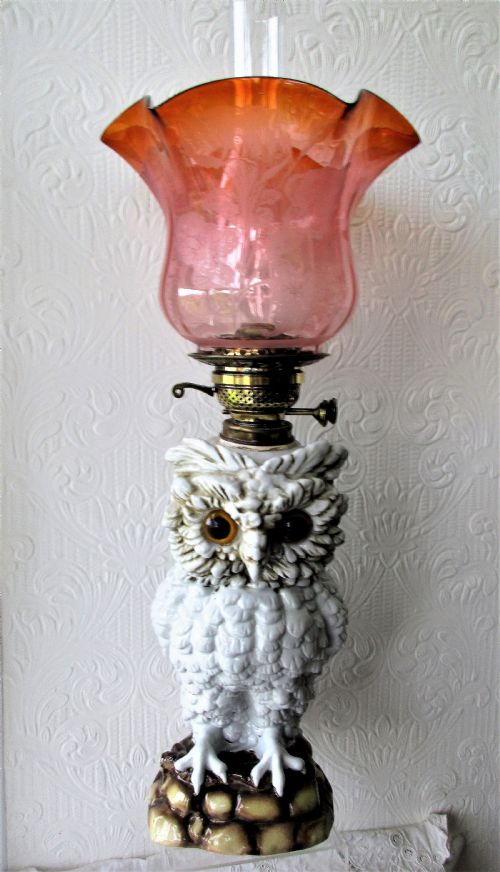
Some nineteenth century examples incorporate oil lamp fittings mounted directly into the animal sculpture or base.
These functional pieces combined domestic illumination with decorative ceramic modelling.
Why do some figures come in pairs?
Pairs of stags, dogs or sheep were produced for symmetrical mantelpiece display during the Georgian and Victorian eras.
Manufactured together, they share matching postures and decorative bases.
What is the difference between porcelain and earthenware figures?
Porcelain provides a vitrified, translucent white body associated with continental factories like Meissen and German workshops.
Earthenware and pearlware bodies, typical of Staffordshire production, are opaque and heavier in the hand.