



Green Enamel Porcelain Plate
A green enamel porcelain plate brings vibrant colour and meticulous detail to a collection, drawing the eye with rich pigments fired onto a crisp ceramic base.
Green Enamel Porcelain Plate
A green enamel porcelain plate is a ceramic vessel decorated with vibrant green pigments over the glaze, spanning multiple centuries and regions. The pieces available traverse Chinese export productions and Japanese traditions, showing the wide geographic reach of this aesthetic.
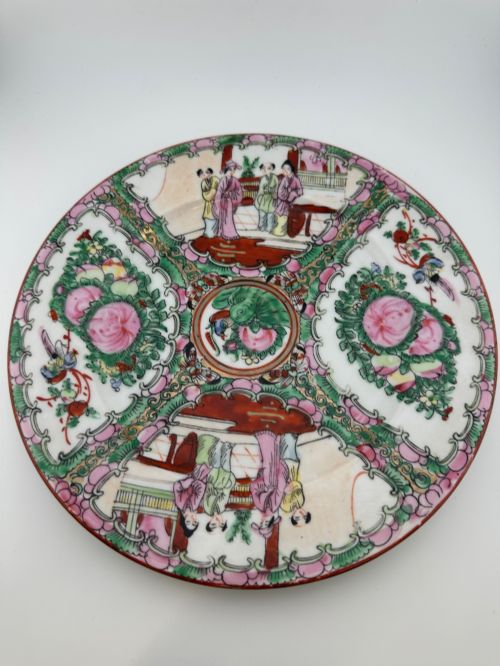
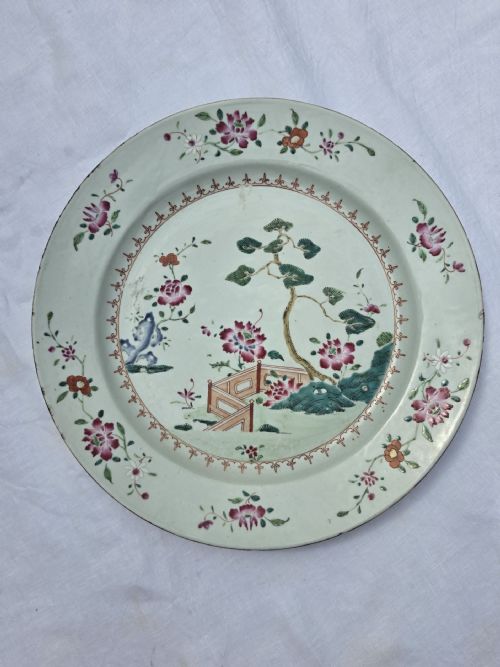
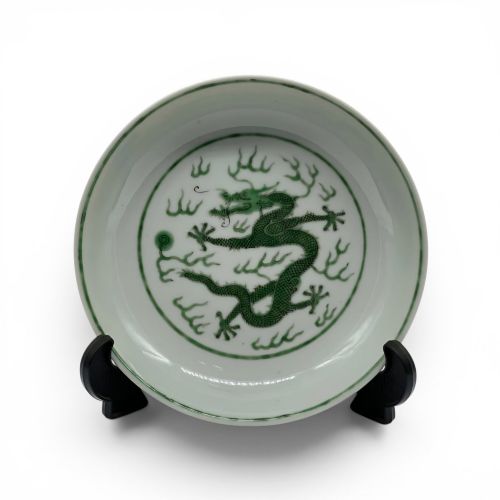
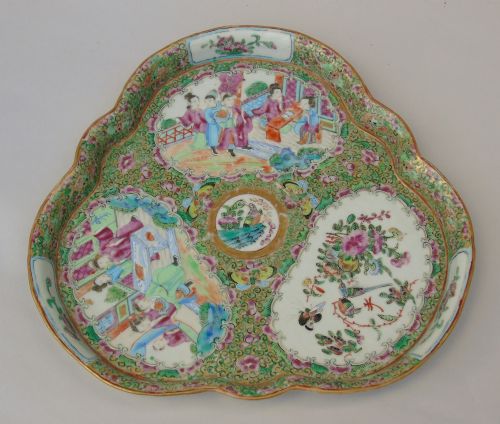
Most examples hail from the eighteenth and nineteenth centuries, taking the form of chargers, dishes, and plates. Makers across these periods applied intricate motifs, combining green tones with floral patterns or imperial dragon designs.
Collectors encounter diverse stylistic influences, from Qianlong Chinese export wares to Edo period Japanese dishes. Each object reflects the distinct kiln techniques and artistic preferences of its specific origin and era.
Materials and Techniques
Hard-paste porcelain forms the durable base for these wares, providing a smooth white surface ready to receive detailed painting. Artisans shaped the clay into plates, chargers, and dishes before initial firing.
Makers applied enamel glazes and overglaze enamel pigments by hand, sometimes incorporating gold leaf or gilding to accentuate the painted scenes. A subsequent firing fused the colourful decoration permanently to the glazed ceramic body.
The site records plates, chargers, and dishes decorated with Chinese export and Japanese Meiji styles.
Assessing Quality and Execution
The precision of the hand-painted details separates exceptional examples from standard production. Artisans who maintained strict control over their brushwork produced sharper lines and more balanced compositions across the surface.
The richness and stability of the enamel glazes also define the standard of a piece. Well-fired pigments retain their depth and adherence to the hard-paste porcelain, showing little sign of wear after centuries.
The Green Enamel Porcelain Plate Glossary
- Enamel glaze
- A low-melting glass mixture applied over fired porcelain to add colour and decoration. This material allows for brilliant hues that sit slightly raised above the smooth ceramic body.
- Hard-paste porcelain
- A dense, vitrified ceramic made from kaolin and petuntse fired at high temperatures. It produces a ringing sound when struck and resists scratching.
- Overglaze enamel
- Pigments painted on top of a previously fired and glazed ceramic surface. A second, lower-temperature kiln firing melts the enamel so it bonds with the glaze.
- Gilding
- The application of gold leaf or powdered gold to the surface of porcelain. This technique highlights rims, motifs, and focal points with a metallic sheen.
Green Enamel Porcelain Plate: Frequently Asked Questions
How do I care for these plates?
Wash them gently by hand using mild soap and warm water, avoiding abrasive sponges that might scratch the surface. Dry them thoroughly with a soft cloth to protect the delicate enamel and gilding.
Display or store the pieces away from direct sunlight and sudden temperature shifts. Proper handling preserves the integrity of both the hard-paste porcelain and the painted decoration.
Are these plates meant for daily use?
These historical items are generally intended for display rather than routine dining. Using them regularly risks wearing down the hand-painted enamels and delicate gilding built up over centuries.
Mounting them securely on plate stands or hanging them with padded brackets lets you enjoy the artistry safely. Treating them as decorative art prevents accidental chips and surface damage.
How do I identify different periods?
Study the stylistic motifs, brushwork techniques, and specific colour palettes characteristic of each era. Chinese export pieces often show distinct imperial or trading patterns, while Japanese wares from the Edo or Meiji periods display unique regional styles.
Compare the weight, translucency, and glaze texture of the porcelain body against known examples. Consultation with established reference books helps clarify subtle chronological markers.
What is the difference between Chinese and Japanese pieces?
Chinese examples frequently incorporate intricate famille rose or dragon motifs reflecting imperial workshops and export trade standards. Japanese pieces, such as those from Arita or Kutani kilns, often feature distinct local palettes and organic shell or floral forms.
Examining the foot ring and the specific tone of the hard-paste porcelain reveals further manufacturing clues. Each tradition developed unique methods for applying enamel glazes.