



Green Copper Copper
These pieces associated with green copper copper bring together rich metallic patination, utilitarian history, and decorative Japanese craftsmanship.
Green Copper Copper
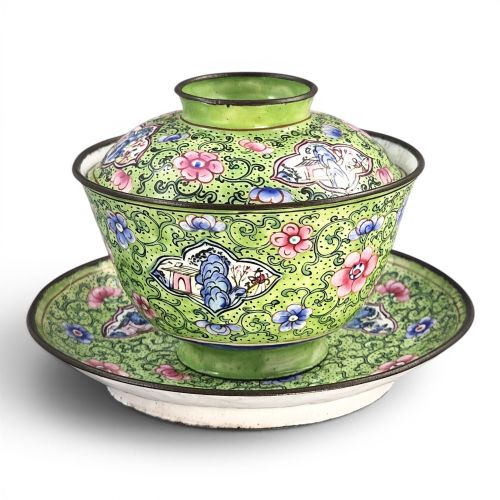
When searching for green copper copper, buyers encounter a diverse selection of heavy metalwork, decorative vessels, and lighting from the nineteenth and early twentieth centuries. The category encompasses utilitarian items like large pots, boilers, and log bins alongside finely detailed Japanese cloisonné enamel chargers.
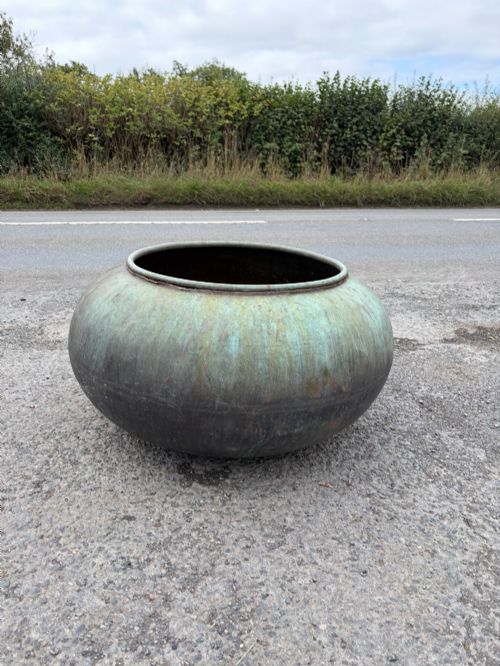
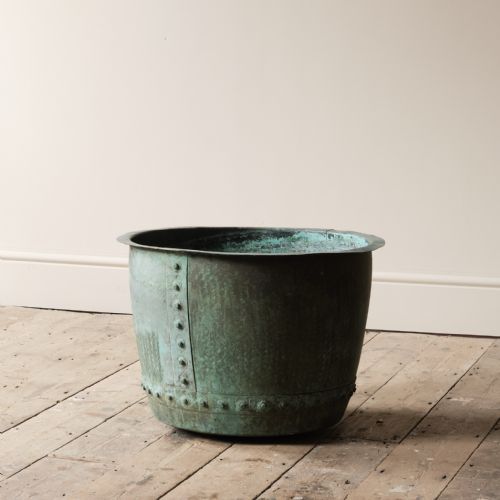
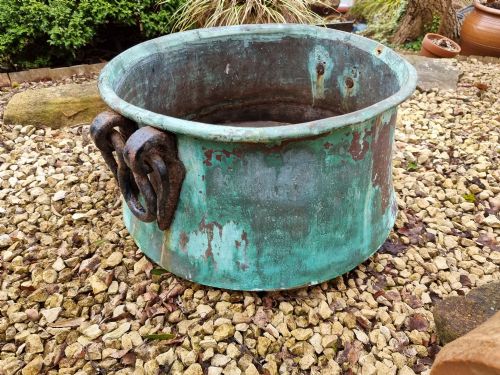
The aesthetic of green copper copper often relies on the natural verdigris surface that forms on the metal over decades of exposure. Coach-house lanterns, wall lights, and planters frequently display this distinct green patina, blending industrial durability with weathered character.
Many items draw upon distinct historical movements, ranging from nineteenth-century Victorian industrial forms to Meiji period Japanese metalwork and Arts and Crafts lighting. This mix reflects both practical utility in domestic settings and intricate decorative artistry from diverse global traditions.
Materials and construction methods
Copper forms the primary structural material across these objects, often combined with brass, iron, and applied enamel for decorative contrast. Artisans hammered, riveted, and cast the metal to create robust vessels, lighting fixtures, and architectural elements.
Verdigris patination develops naturally through oxidation or is achieved via chemical treatments on copper surfaces to produce the characteristic green finish seen on lanterns and planters. Cloisonné enamel pieces involve applying delicate metal wires to a base and filling the formed cells with coloured glass pastes before firing.
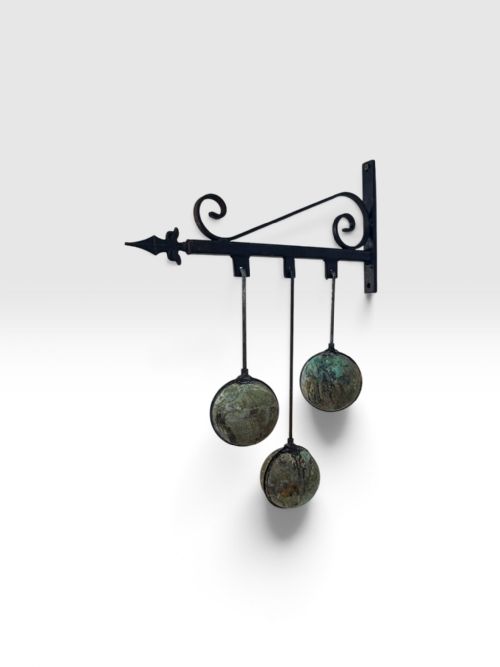
Surface details often incorporate hand-beaten textures, engraved motifs, and painted elements, particularly within lamps, trade signs, and decorative chargers. These techniques highlight the physical manipulation of sheet and cast metal by period makers.
Listings feature items spanning the Georgian era, Victorian period, and the twentieth century, utilising copper, brass, enamel, and glass.
Assessing quality in metalwork
Quality reveals itself in the weight of the metal, the precision of the construction, and the integrity of the surface finish. Substantial gauge copper and robust riveting distinguish utilitarian vessels intended for heavy domestic or industrial service.
In decorative objects like cloisonné chargers and enamel items, the complexity of the design and the control of the firing process determine the overall standard. Tighter wirework and finer detail indicate superior craftsmanship from period workshops.
The character of the patination contributes to visual success, where a stable, naturally aged verdigris surface enhances the object without compromising the underlying structural metal.
The Green Copper Copper Glossary
- Verdigris
- A green patina or crust that forms on copper, brass, or bronze through atmospheric oxidation. This aged surface is valued for its colour and historical appearance.
- Cloisonne
- An ancient technique for decorating metalwork objects with coloured glass paste placed within compartments defined by bent metal wires. The piece is subsequently fired and polished to a smooth finish.
- Charger
- A large ornamental plate or dish intended primarily for display rather than dining. These items frequently feature elaborate pictorial or geometric motifs.
- Riveted
- Joined together using heavy metal pins hammered in place to secure overlapping sheets of copper. This method ensures structural strength in large pots, buckets, and industrial containers.
- Log bin
- A sturdy container designed for storing firewood beside a fireplace. They are frequently manufactured from heavy copper or brass and sometimes display patinated green surfaces.
Green Copper Copper: Frequently Asked Questions
What is verdigris on copper?
Verdigris is the green layer that forms naturally on copper and its alloys through long-term exposure to moisture and air. It provides a distinct aged aesthetic valued by collectors.
This surface reaction protects the underlying metal from further rapid corrosion while adding visual depth to lanterns, planters, and architectural elements.
How do I care for antique copper?
Antique copper generally benefits from gentle dusting and minimal interference to preserve any historic patination or verdigris. Aggressive cleaning can remove the desirable aged surfaces built up over centuries.
Store these objects in stable environmental conditions away from excessive moisture to prevent active corrosion while maintaining their existing character.
What is a cloisonne charger?
A cloisonne charger is a large decorative dish made by applying metal wires to a metal base to create compartments, which are then filled with enamel. Japanese examples from the Meiji period frequently depict birds, dragons, and landscapes.
These pieces were created primarily for display in domestic interiors, showcasing high levels of technical skill in metalwork and glass firing.
How can I date an old copper pot?
Dating copper vessels involves examining manufacturing marks, construction methods such as hand-riveting, and the style of handles or rims. Machine-rolled sheets generally indicate later industrial production.
Comparing the form and wear patterns against dated examples helps narrow down the period of origin, from nineteenth-century utilitarian items back to earlier eras.