


Green Chinese Ceramic Vase
A green chinese ceramic vase brings centuries of glaze tradition and rich enamelling into a room, offering both decorative presence and historic depth.
Green Chinese Ceramic Vase
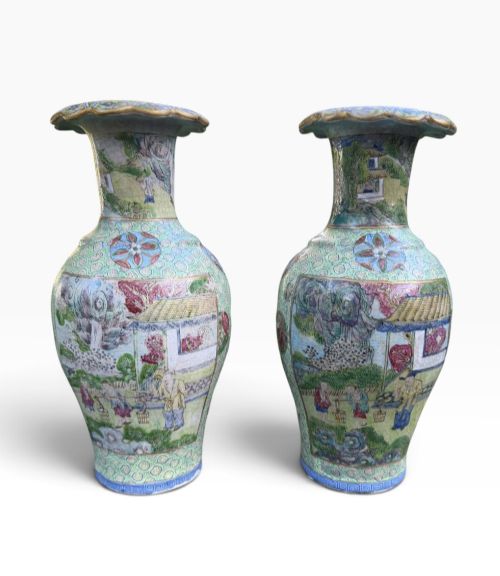
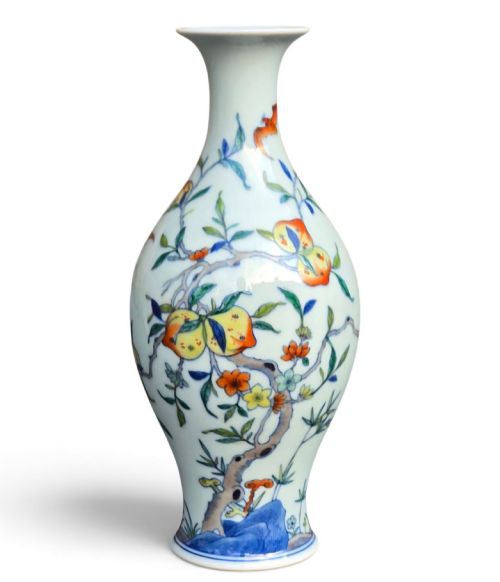
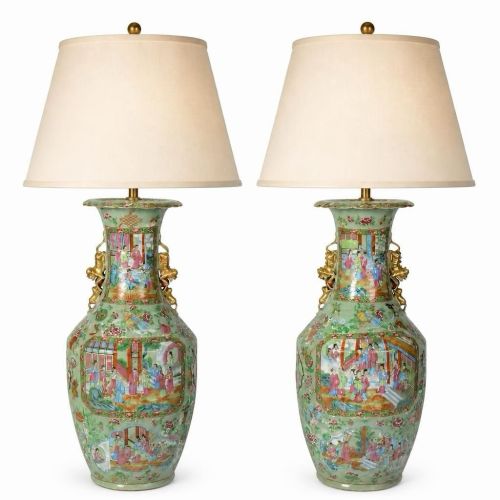
When you search for a green chinese ceramic vase, you encounter vessels shaped as bottles, jars, and balusters that span multiple dynasties and centuries. The selection centres heavily on nineteenth-century pieces alongside eighteenth-century works, often adapted into table lamps.
Forms range from globular vessels and square cong shapes to twin-handled vases and covered jars. Many pieces show the aesthetic influence of Qing Dynasty production and later nineteenth-century export styles.
Makers utilised various potting traditions, producing both plain celadon surfaces and heavily patterned vessels featuring overglaze enamel work. These items appear singly or as pairs, reflecting historical interiors and modern conversion work alike.
Materials and technique
Potters shaped these objects from porcelain, stoneware, and celadon glaze, employing both wheel-throwing and mould techniques. Glazing methods determined the primary colour field, ranging from subtle tea dust finishes to translucent green celadon layers.
Decoration relied on overglaze enamel, famille verte, and famille rose palettes, applied by hand to create detailed scenes of flora, fauna, and figurative motifs. Some pieces incorporate additional mounts in brass, ormolu, and fabric components.
Firing took place in kilns capable of high temperatures, fixing the mineral pigments and glaze compositions to the ceramic body. Artisans frequently combined underglaze blue with iron red and green enamels, as seen in transitional wares.
Ducks and lotus flowers paddle across ancient jar surfaces, proving that ancient potters also appreciated a good pond scene.
What varies in quality
The distinction between ordinary and superior pieces rests on the crispness of the potting and the control evident in the glaze. Celadon surfaces vary from flat, opaque finishes to deep, luminous layers with subtle crackle patterns.
Enamel work demonstrates another tier of variation, separating mechanical-looking execution from masterly, precise hand-painting with clear delineation of dragons, ducks, and floral sprays. The harmony of secondary colours against the green ground dictates overall visual success.
Originality of form and the retention of matching covers or fitted stands also influence the standing of an individual vessel. Alterations such as drilling for electrical fittings alter the character of pieces originally made solely for display.
The Green Chinese Ceramic Vase Glossary
- Celadon glaze
- A transparent green glaze, often with microscopic bubbles and iron pigments, applied over a porcelain or stoneware body. It produces shades ranging from pale sea-green to olive.
- Famille verte
- A palette of enamel colours dominated by green, introduced during the Qing Dynasty. Artisans used it to depict complex floral and figurative scenes.
- Yixing stoneware
- Unglazed or lightly glazed pottery from Jiangsu province, known for dense clay bodies and fine texture. It frequently appears in nineteenth-century export pairings.
- Wucai
- A decorative technique meaning five colours, combining underglaze blue outlines with overglaze iron red, green, yellow, and black enamels. It dates back to transitional periods.
- Rose medallion
- A densely patterned Cantonese export style characterised by alternating panels of figures, birds, and flowers in pink and green enamels. It gained popularity during the Victorian era.
Green Chinese Ceramic Vase: Frequently Asked Questions
How do I identify a celadon glaze?
A celadon glaze presents a jade-like green surface resulting from iron oxide reacting in a reduction kiln. The depth of the colour varies according to the thickness of the glaze layer.
Older examples often display subtle crazing or intentional crackle patterns within the finish. The underlying stoneware or porcelain body typically shows beneath the base where the glaze stops.
What is the difference between famille verte and famille rose?
Famille verte relies predominantly on green enamel tones accompanied by iron red, yellow, and blue highlights. This palette defined much of the Kangxi period and later nineteenth-century revivals.
Famille rose, emerging later, incorporates an opaque pink enamel derived from colloidal gold. This addition allowed artists to paint softer, shaded floral and human motifs.
Why are so many of these vases wired as lamps?
Many nineteenth-century vases were converted into table lamps during the twentieth century to suit changing domestic interiors. Importers and decorators prized their substantial forms and decorative green surfaces for lighting schemes.
Such conversions frequently involved drilling the base or mounting the ceramic in ormolu and brass. Collectors weigh the presence of wiring against the original integrity of the vessel.
How can I tell the Qing Dynasty pieces apart?
Qing Dynasty pieces span a wide chronological range, requiring close inspection of potting styles and enamel formulas. Eighteenth-century pieces often exhibit refined throwing and controlled, transparent glazes.
Nineteenth-century output, including Cantonese Rose Medallion and export wares, tends toward heavier bodies and denser, more crowded enamel decoration. Markings on the base, where present, offer further clues to the manufacturing period.