


Grand Tour Tazza
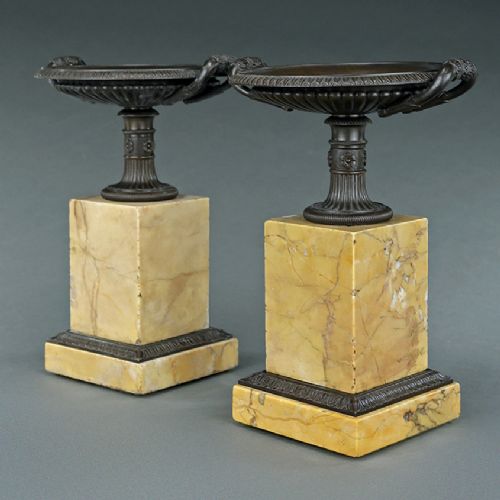
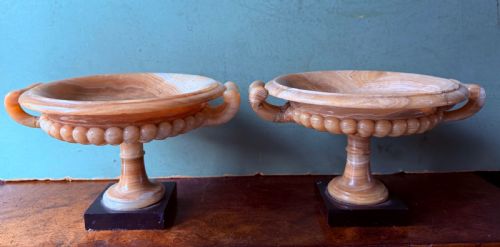
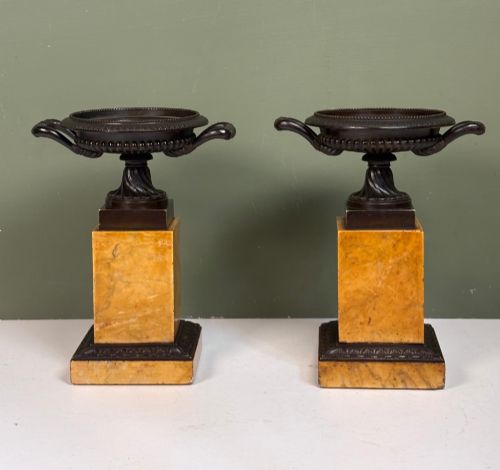
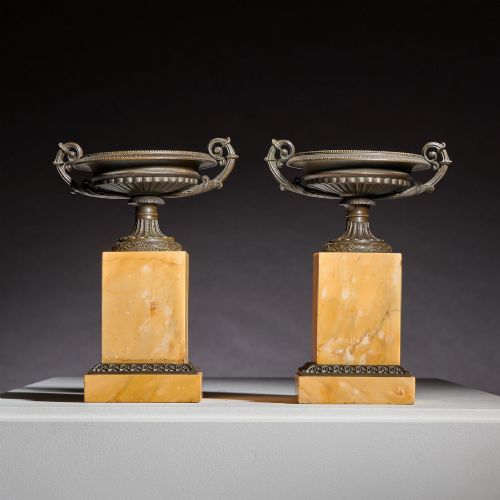
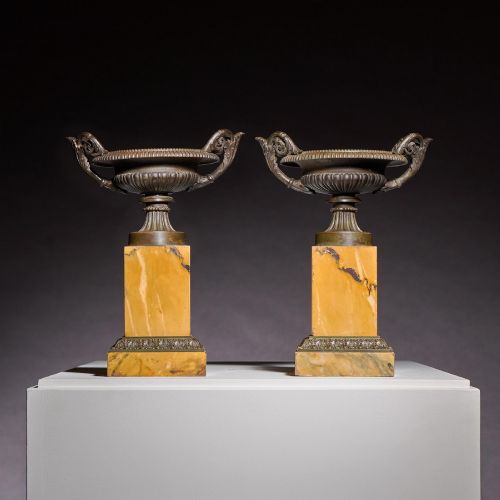
These grand tour tazza pieces are classical souvenirs cast in bronze and carved from coloured marbles to recall ancient Rome on the nineteenth-century mantelpiece.
Grand Tour Tazza
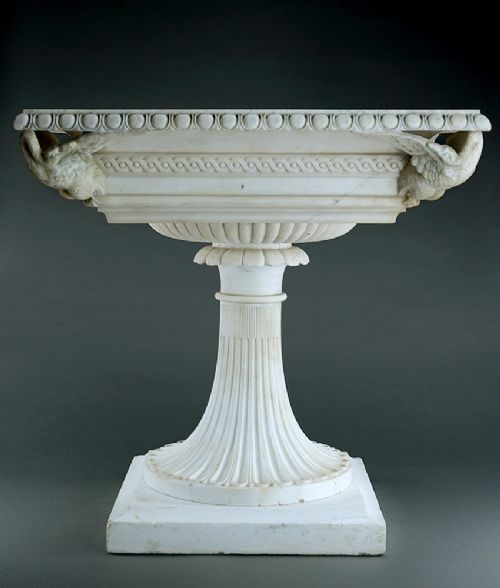
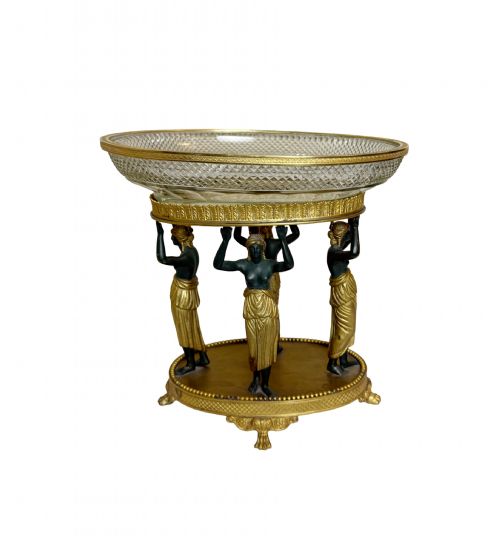
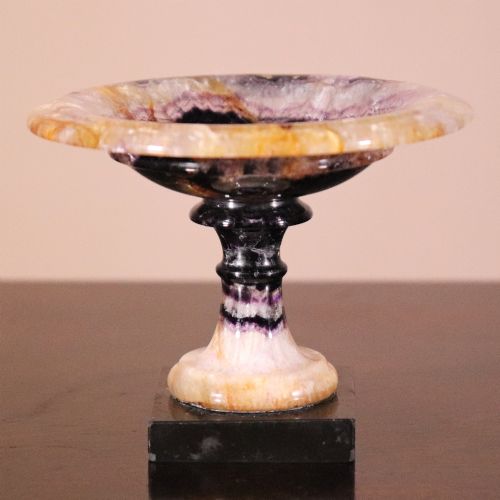
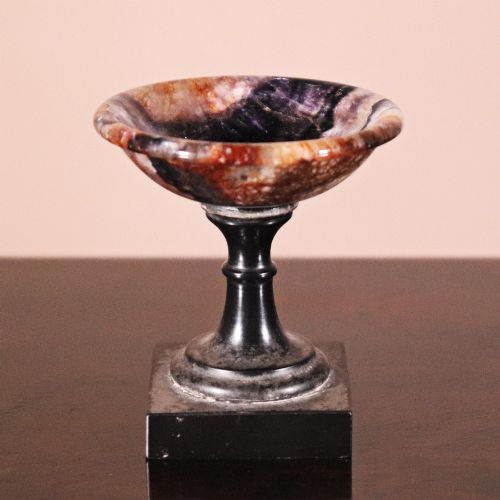
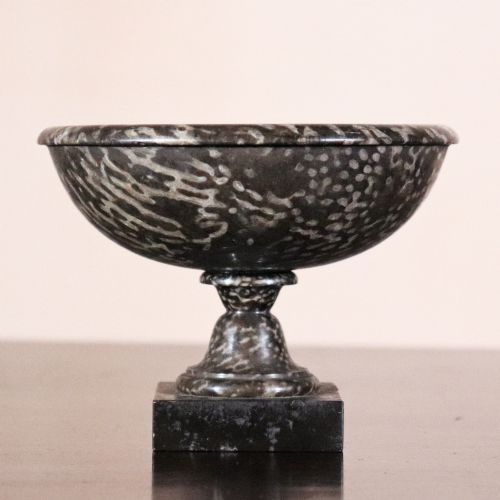
When you search for a grand tour tazza, you are looking at nineteenth-century classical souvenirs brought back by travellers from Italy, modelled after ancient antiquities. The forms span decorative bowls, pedestal vessels, and urns shaped from stone and metal.
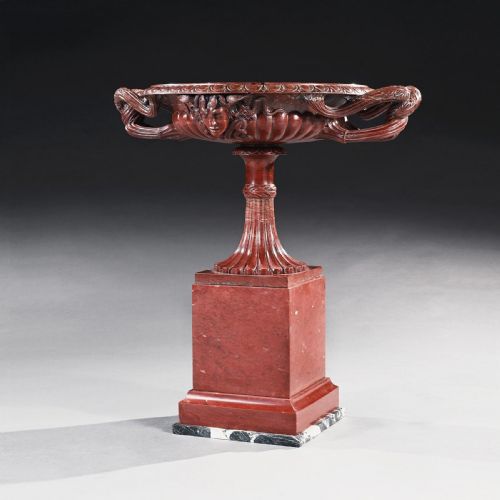
You will most frequently meet pairs of bronze tazze mounted on contrasting marble bases, alongside single carved stone examples employing minerals like sienna, alabaster, and rosso antico.
The periods represented stretch from the Regency era through the mid-nineteenth century, reflecting the peak of continental travel and neoclassical taste.
Distinctions in Quality
Quality rests in the crispness of the bronze chasing and the select choice of marble, where highly figured specimens such as alabastro egiziano or deep sienna elevate the object above standard production.
Proportion and weight dictate the presence of the piece, with heavier bronze mountings and substantial carved stone bases demonstrating superior workshop output.
Grand Tour Tazza Retail Price Guide 2026
Typical asking prices for grand tour tazza among the pieces listed under this phrase on Sellingantiques today, from the lower quarter to the upper quarter. They describe what is for sale here now, not the wider market.
Listings feature nineteenth-century dates, the Regency period, and materials including bronze, ormolu, sienna marble, alabaster, malachite, and blue john.
Benedetto Boschetti
The Grand Tour Tazza Glossary
- Tazza
- A shallow bowl on a pillar and base, used historically for display or serving. The plural is tazze.
- Ormolu
- Gilded bronze used for mounts and decorative details on nineteenth-century objects. The technique involves applying a mercury-gilding mixture to cast bronze.
- Sienna Marble
- A rich yellow-brown Italian marble marked with dark purple veins. It is frequently employed in nineteenth-century pedestal bases.
- Rosso Antico
- A deep red antique marble prized by neoclassical makers for its striking colour and resemblance to ancient Roman stone.
Grand Tour Tazza: Frequently Asked Questions
What is a grand tour tazza?
A grand tour tazza is a decorative nineteenth-century souvenir fashioned in the style of ancient Roman art. Wealthy travellers purchased them during their European travels to display classical taste at home.
They combine materials like cast bronze, alabaster, and coloured marbles into pedestal bowls, urns, and centrepieces.
How were they used originally?
These objects served primarily as decorative ornaments on mantelpieces, libraries, and side tables. Their classical forms reflected an educated appreciation for antiquity rather than functional dining use.
Many were designed as pairs to balance symmetrical interiors in nineteenth-century drawing rooms.
How do I care for marble and bronze?
Dust bronze and marble surfaces gently with a dry, soft cloth to prevent accumulation. Avoid chemical cleaners or excessive moisture, which can damage polished stone or strip gilt details.
Wax should be used sparingly on marble only if recommended by a specialist conservative.
How do I tell the period?
Nineteenth-century pieces show the characteristic weight of period bronze casting and hand-turned stone. The choice of marbles, such as sienna or rosso antico, aligns with the revival styles of the Regency and Victorian eras.
Examination of the underside and mount fixings often reveals the hand-cut screws and patination expected of nineteenth-century workshop production.