


Grand Tour Statuettes
Grand tour statuettes bring home classical antiquity and Renaissance masterpieces, offering miniature bronze and marble souvenirs shaped by European travel.
Grand Tour Statuettes
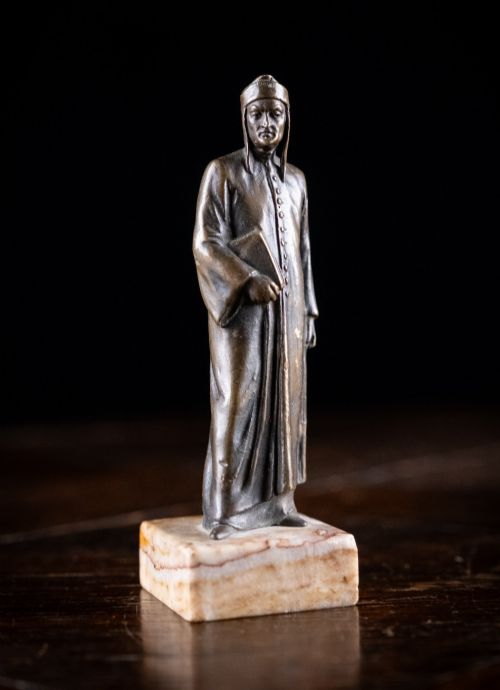
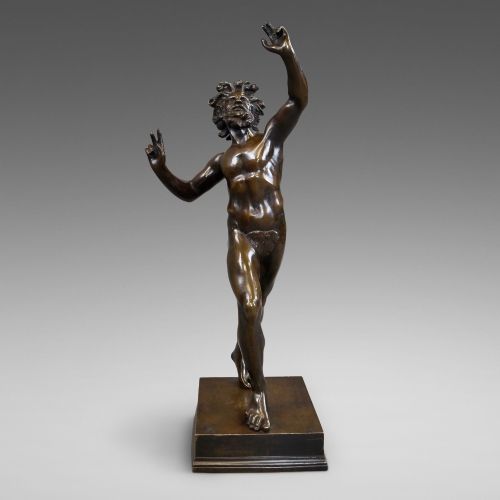
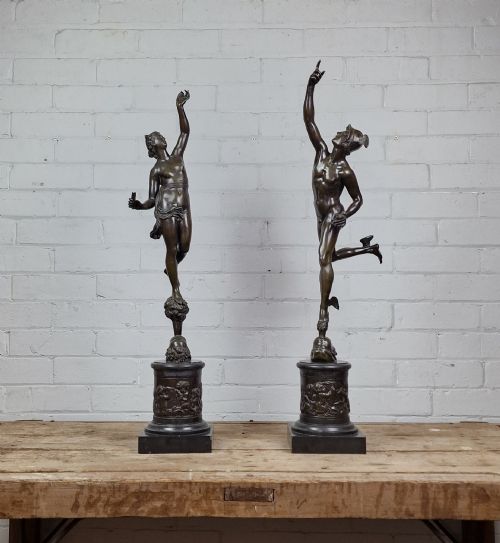
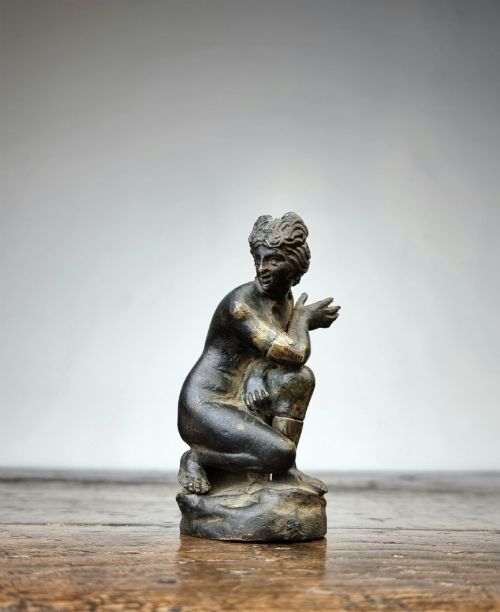
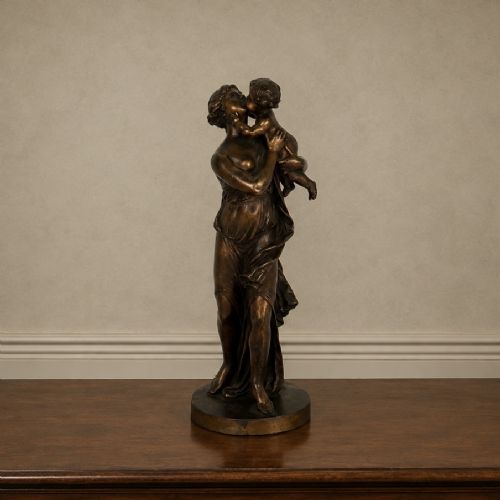
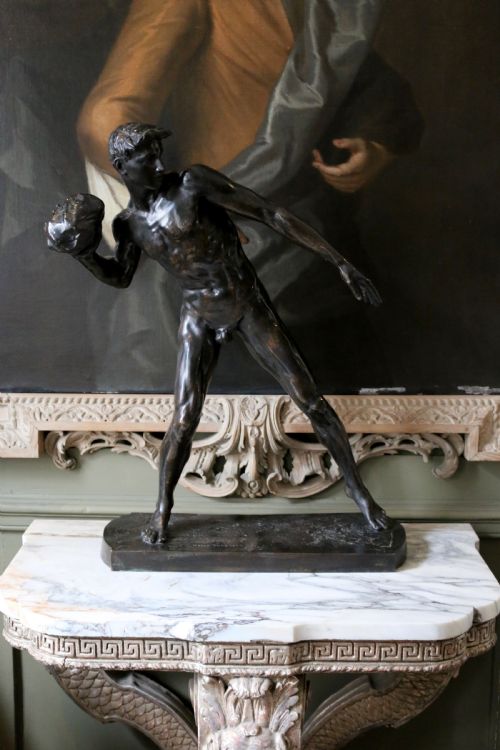
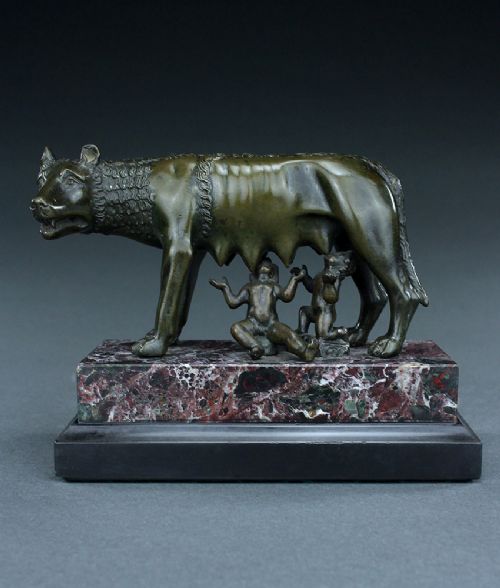
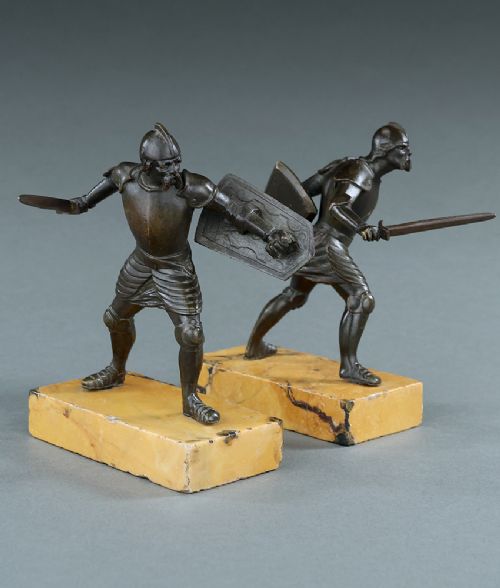
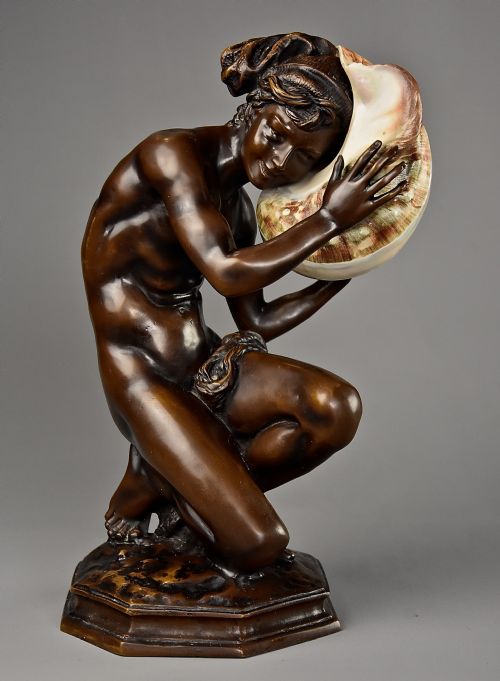
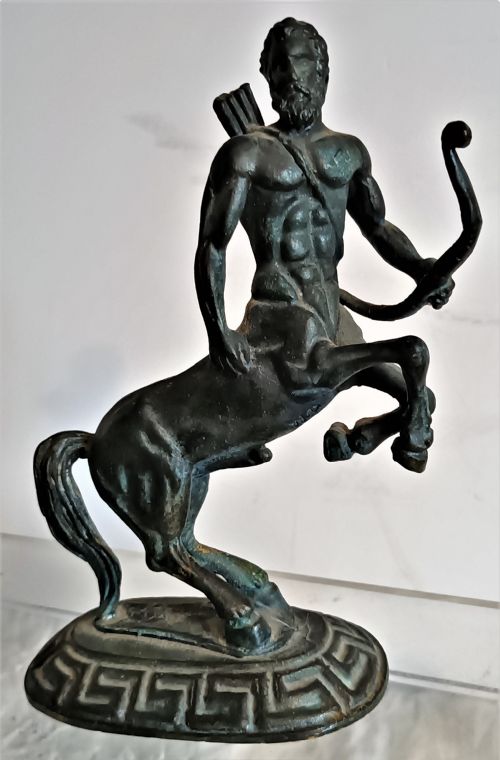
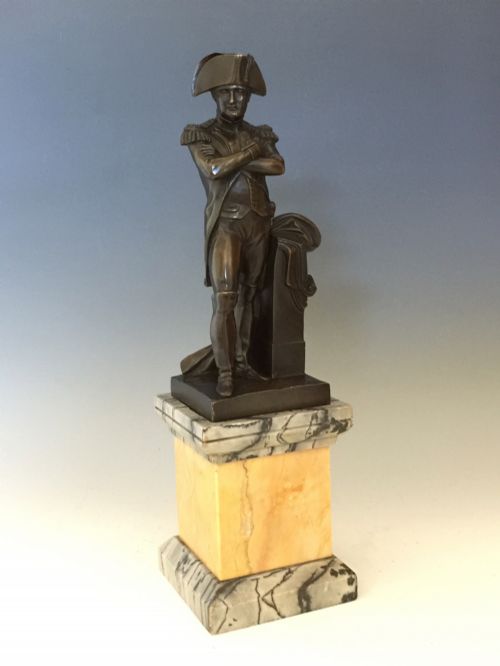
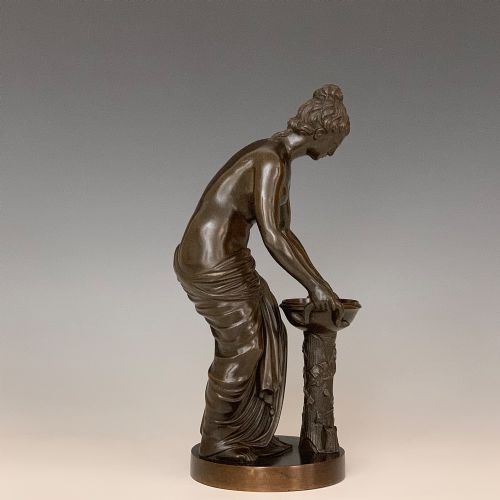
Grand tour statuettes represent miniature interpretations of classical, Renaissance and neoclassical sculptures collected by travellers journeying through Italy and Europe. These pieces capture iconic subjects such as mythological figures, animals and historical portraits, translating monumental statues into cabinet-sized bronzes or stone models.
Most examples encountered on this page date from the nineteenth century, reflecting the peak of the grand tour tradition. They appear alongside occasional seventeenth-century studies and Victorian interpretations, frequently mounted upon dedicated marble or wood plinths.
Materials and casting methods
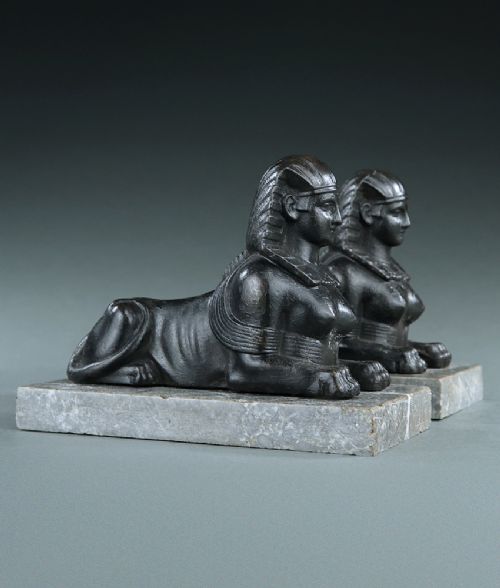
Makers utilised bronze as the primary medium, often applying dark patination or gilt finishes to emulate ancient patinas and enhance surface detail. Cast iron also appears in specific revival forms, notably Egyptian designs.
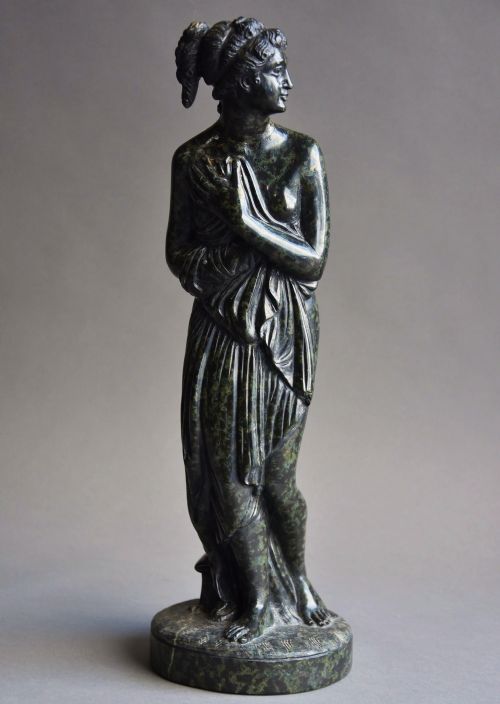
Stone and mineral components form integral parts of these objects, with bases fashioned from marble, fossil marble, alabaster and serpentine. These supporting plinths provide stability and contrast to the metal figures mounted upon them.
Several mischievous putti and cherubs mingle among the heroic emperors, mythological gods, and dancing fauns.
Craftsmanship and execution
The choice and preparation of the mounting base contribute heavily to overall refinement. Finer works incorporate carefully selected marbles and stones, securely fitted to the bronze figure without surplus adhesive or misalignment.
Hamo Thornycroft·Jean-Baptiste Carpeaux·Jean Jules Salmson·Mathurin Moreau
The Grand Tour Statuettes Glossary
- Patination
- The chemical treatment or natural ageing applied to metal surfaces to produce colour and depth. Dark patinas are typical on nineteenth-century bronzes to simulate antiquity.
- Chasing
- The hand-tooling of a metal casting after it emerges from the mould to sharpen details and clean up seams. High-level chasing distinguishes superior workshop output.
- Serpentine
- A mottled green mineral resembling marble used frequently for architectural bases and sculptural models. It provides a distinct tactile contrast to cast metal.
- Plinth
- The solid block or base upon which a statuette stands. Many period examples use coloured marbles such as rosso levanto.
Grand Tour Statuettes: Frequently Asked Questions
What are grand tour statuettes?
Grand tour statuettes are small-scale souvenir sculptures collected by travellers in Europe during the eighteenth and nineteenth centuries. They miniaturise famous classical, Renaissance and neoclassical monuments.
These pieces allowed collectors to display representations of celebrated museum sculptures within domestic studies and libraries.
How were they used historically?
Travellers purchased these sculptures as physical records of their educational journeys across Italy and France. They functioned as tabletop decoration and conversational focal points in grand homes.
Over time, they evolved into sought-after decorative objects that signaled cultural literacy and an appreciation of classical art.
How should I clean bronze figures?
Bronze statuettes require minimal intervention, generally needing only gentle dusting with a soft, dry brush. Avoid water, oils and chemical polishes that can strip original patination.
Preserving the stable surface skin protects the historic finish developed over generations of handling and exposure.
How do I identify the subject?
Subjects typically derive from Greek and Roman mythology, such as Narcissus, Mercury or dancing fauns, alongside Renaissance masterpieces. Many figures replicate specific statues housed in Italian museums and galleries.
Inscriptions on the bronze or the mounting base often name the subject or the ancient sculptor who inspired the work.