

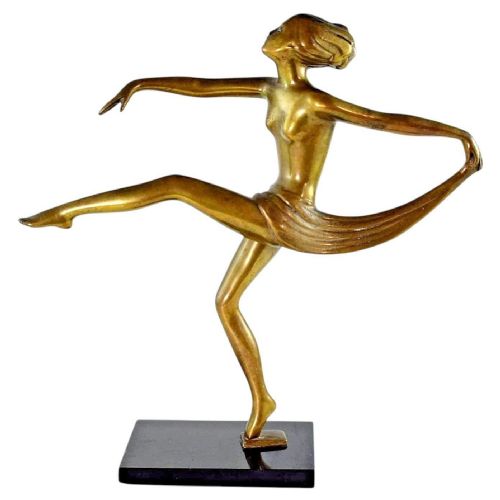
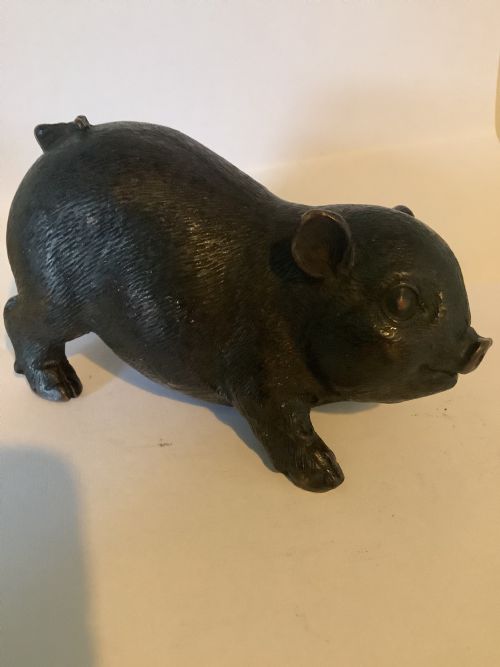
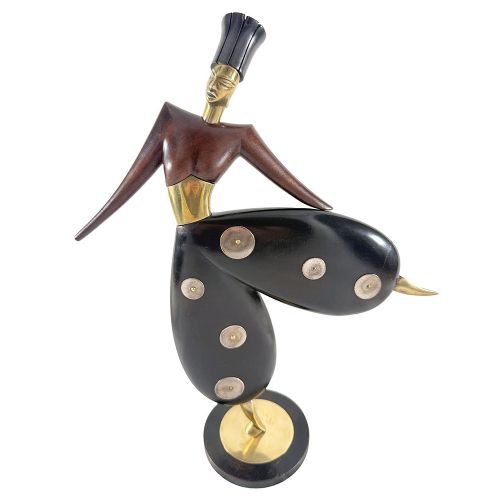
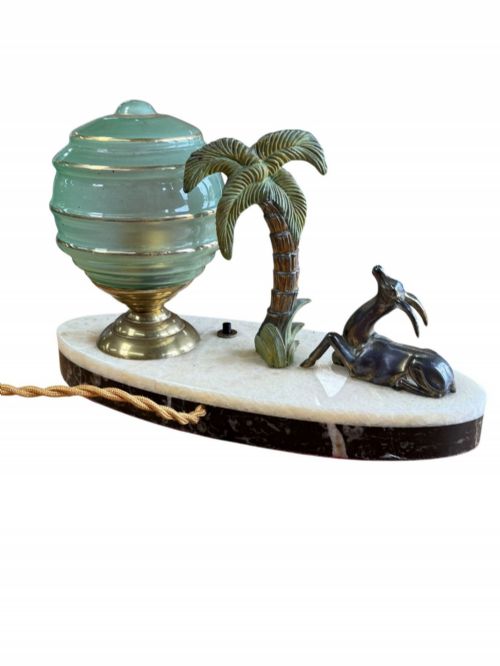



Vintage Brass Figurines
Vintage brass figurines bring tactile weight and distinct character to a room, spanning animal studies, human figures, and decorative objects cast across multiple centuries.
Vintage Brass Figurines
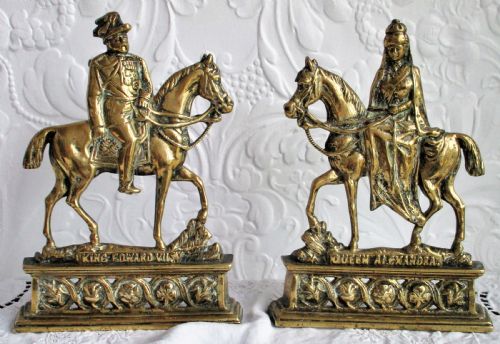
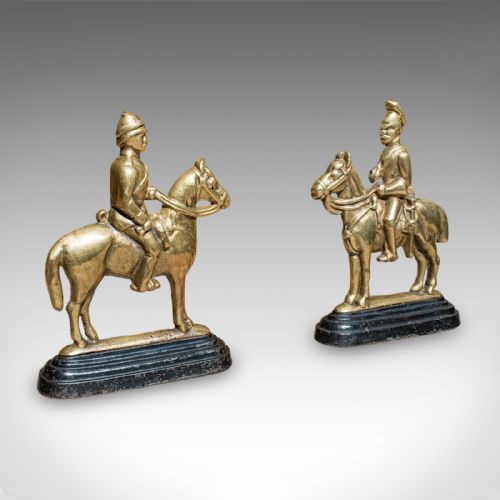
Vintage brass figurines encompass a diverse range of decorative items, including animal studies, human figures, bookends, doorstops, and fireside ornaments found across this selection. Buyers seeking vintage brass figurines encounter works originating from nineteenth-century workshops as well as twentieth-century modernist designs.
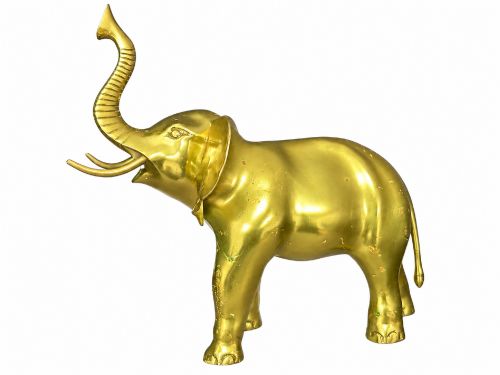
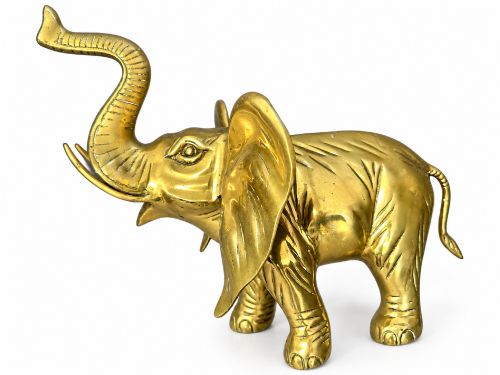
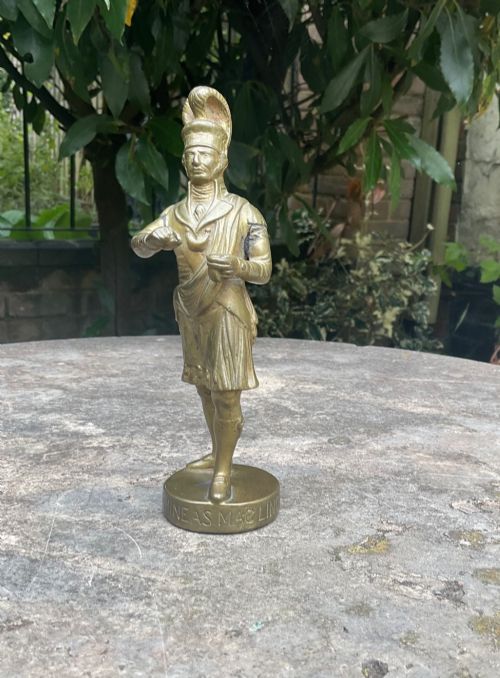
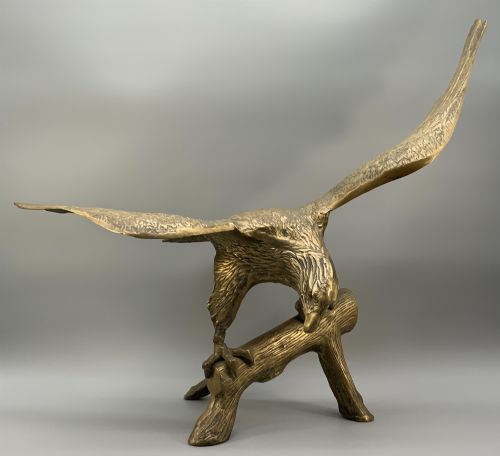
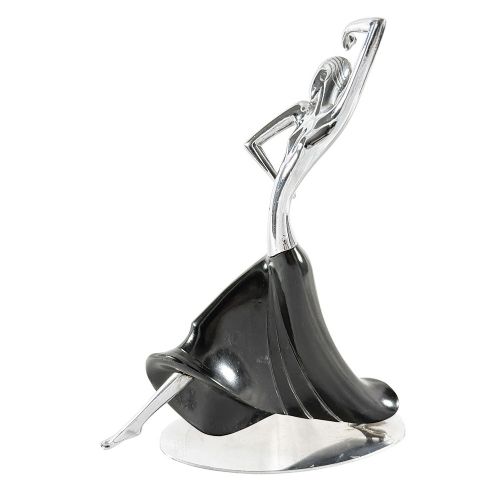
The objects take many functional and decorative shapes, from eagles and horses to dancers and historical figures. Animal depictions such as birds, lions, and elephants appear frequently alongside human subjects.
Origins vary widely across the inventory, ranging from English and European pieces to Asian metalwork. Each period contributes specific stylistic traits, connecting utilitarian items with pure sculpture.
Materials and casting methods
The primary material across these listings is brass, often utilised in solid cast form to achieve heavy, enduring weight. Bronze, spelter, and cast metal also appear frequently, sometimes paired with wood, marble, glass, or porcelain components.
Casting techniques dictate the sharpness of detail, particularly in animal feathers, facial expressions, and clothing folds. Secondary surface treatments such as gilding, plating, or polishing enhance the finished appearance of the metal.
Vintage Brass Figurines Retail Price Guide 2026
Typical asking prices for vintage brass figurines among the pieces listed under this phrase on Sellingantiques today, from the lower quarter to the upper quarter. They describe what is for sale here now, not the wider market.
Listings feature items spanning from the nineteenth century through the Art Deco era and Mid-Century Modern period, utilising brass, bronze, wood, and marble.
Evaluating craftsmanship
The integration of materials also defines the tier of a piece, such as heavy bronze or cast brass securely mounted to marble bases or integrated cleanly with wooden elements.
Josef Lorenzl·Sier Kunst·Hagenauer·Karl Ens·Anton Buschelberger·Laszlo Hoenig·Baetens London
The Vintage Brass Figurines Glossary
- Cast brass
- Molten alloy poured into a mould to create solid figures and decorative objects. This method allows for repeatable production of detailed shapes.
- Spelter
- A zinc alloy frequently utilised as a cost-effective alternative to bronze or brass. It often receives a painted or plated finish to mimic more precious metals.
- Grand Tour
- Souvenirs and classical replicas acquired by travellers during nineteenth-century European journeys. These items typically include small bronzes and classical figures.
- Cloisonné
- Enamelling technique where thin metal wires form compartments on a metal base to hold coloured glass paste. It appears on decorative animal figures in this inventory.
- Fire dog
- Heavy metal support used in fireplaces, sometimes shaped into figural forms like boots or animals. They served practical domestic functions alongside decorative appeal.
Vintage Brass Figurines: Frequently Asked Questions
How do I clean vintage brass?
Dust gently with a soft dry cloth to preserve the existing surface layer. Avoid harsh chemical polishes that strip away age-appropriate patination.
Leaving the natural surface untouched maintains the historical character accrued over decades or centuries of handling.
Are these pieces solid brass?
Many items listed are solid cast brass or bronze, providing substantial weight. Others combine brass with wood, marble, or substitute metals like spelter.
Checking the base and overall heft helps determine the primary material composition of each object.
How do I date an antique figurine?
Dating relies on stylistic markers, casting techniques, and material combinations typical of specific eras like the Victorian period or the Art Deco movement.
Comparing the manufacturing method against documented examples from similar workshops provides a reliable chronological frame.
Were these figurines purely decorative?
While many pieces functioned solely as display sculptures, others served practical roles in the home. Items frequently doubled as bookends, doorstops, table lighters, or door knockers.
Domestic utility often guided the robust construction and heavy weight chosen by the maker.