



Collectable Bronze Statuettes
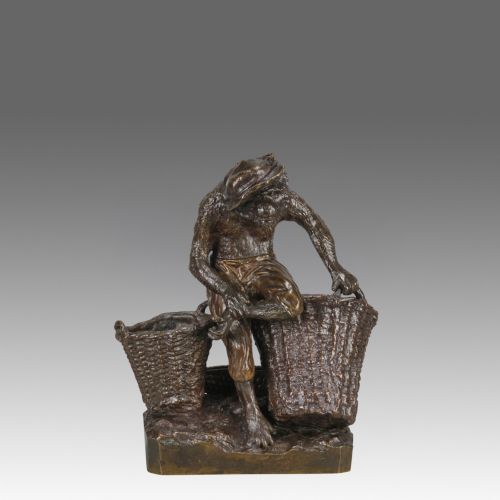
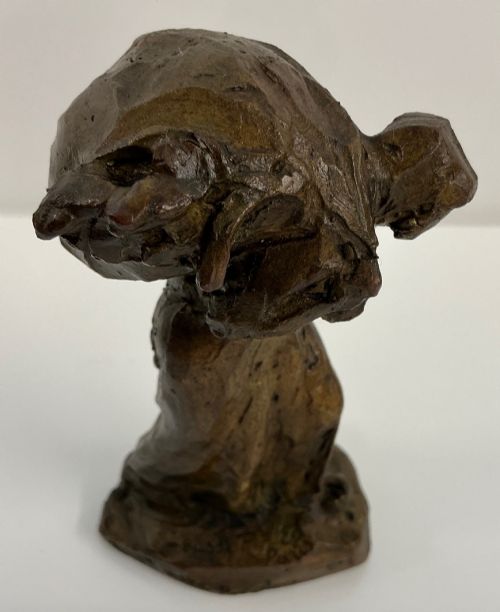
These collectable bronze statuettes capture centuries of animalier studies and human figures cast in metal from the nineteenth and twentieth centuries.
Collectable Bronze Statuettes
When you search for collectable bronze statuettes, you encounter a range of sculptural forms from the nineteenth and twentieth centuries. These pieces encompass animalier subjects, human figures, and decorative mascots cast in metal.
The selections on this page feature works from French realists, early twentieth-century makers, and Art Deco designers. You will find small studies of animals alongside table lighters and classical revival figures.
Most examples combine bronze with materials like marble, onyx, or brass bases. The scale remains intimate, designed for tabletop display or cabinet placement.
Materials and casting methods
The foundational material is bronze, sometimes finished with silvering or cold-painting to add surface detail. Foundries also employed brass and cast metal for secondary elements and bases.
Makers mounted these metal figures on bases of marble, onyx, or wood to provide weight and contrast. Casting techniques varied from traditional foundry methods to specialised reduction and patination processes.
Collectable Bronze Statuettes Retail Price Guide 2026
Typical asking prices for collectable bronze statuettes among the pieces listed under this phrase on Sellingantiques today, from the lower quarter to the upper quarter. They describe what is for sale here now, not the wider market.
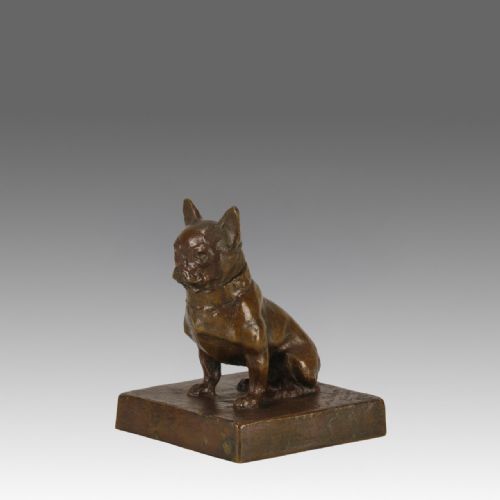
Canines take a prominent role in these metal studies, immortalising persistent terriers, French bulldogs, and basset hounds in solid form.
Assessing quality and craftsmanship
The reputation of the foundry and the signature of the sculptor dictate the standing of a statuette. Original patination and harmonious mounting on stone bases further distinguish finer examples from standard production.
Christophe Fratin·Dora Heber·Jules Dalou·Julien Lorieux·Edith Parsons·Claire Colinet·Lorenzl·AL Barye·Barbedienne
The Collectable Bronze Statuettes Glossary
- Animalier
- A nineteenth-century artistic movement focusing on the realistic depiction of animals. Sculptors in this tradition studied anatomy closely through life observation.
- Cold-painted bronze
- A technique where paint is applied to a bronze object without heat-firing. This finish requires careful preservation to prevent flaking over time.
- Patina
- The surface coloration and sheen developed naturally through age or applied chemically by the foundry. It protects the metal and defines the visual depth of the sculpture.
- Mascot
- A small sculptural figure mounted on automobile radiator caps or utilised as a desk ornament. These items gained popularity during the Art Deco period.
Collectable Bronze Statuettes: Frequently Asked Questions
What is an animalier bronze?
An animalier bronze is a small sculpture depicting animals, particularly dogs, big cats, and livestock, rendered with anatomical precision. These works became popular in nineteenth-century France through dedicated bronze makers.
Artists observed subjects directly at menageries to capture natural postures and movement. Such pieces often feature signatures from the sculptor and foundry stamps.
Are all bronze statuettes solid metal?
Many statuettes are hollow-cast to reduce weight and metal usage, utilising processes that leave the interior empty. Some smaller studies or bases may incorporate solid brass, cast metal, or weighted stone.
Foundries often mounted these metal figures onto heavy plinths of marble or onyx for stability. This combination provides a balanced display piece.
How can I tell Art Deco pieces apart?
Art Deco statuettes from the early twentieth century often feature streamlined geometric forms, stylized figures, and modern materials like silvered bronze. They frequently incorporate polished onyx or marble bases that reflect the design trends of the period.
Earlier nineteenth-century works lean toward naturalism and classical revival themes with textured patinas. Examining the styling of clothing, hair, and subject matter helps determine the era.