

Grand Tour Marble
Grand tour marble objects bring classical antiquity into your home through sculpted stone souvenirs from the nineteenth century and earlier.
Understanding grand tour marble
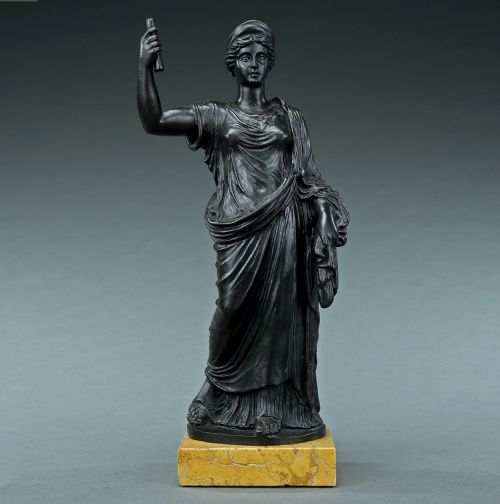
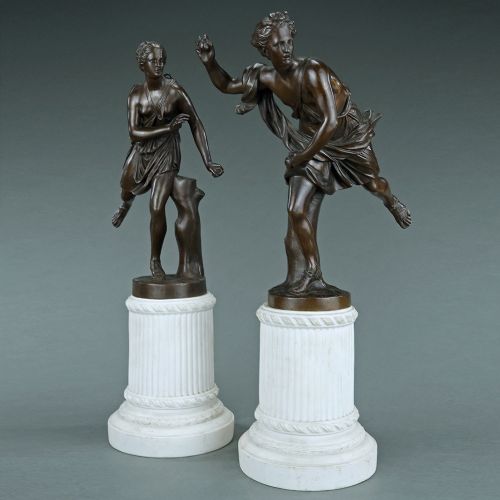
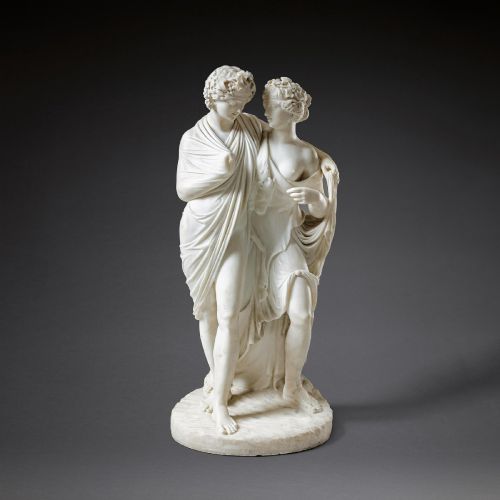
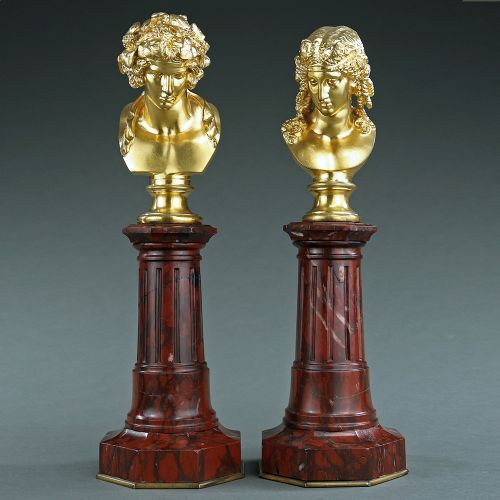
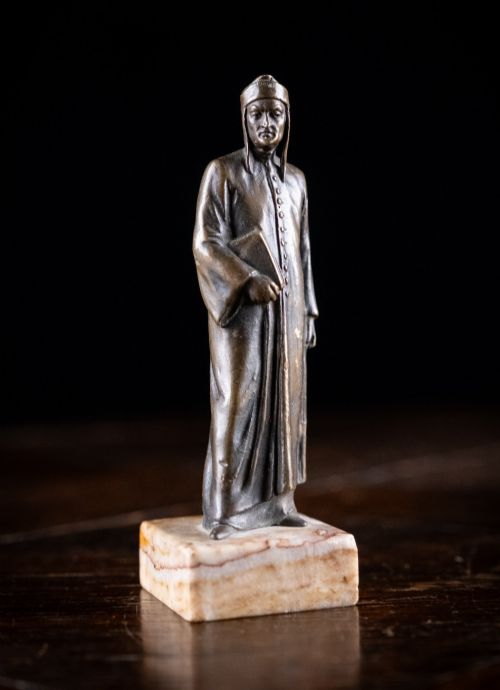
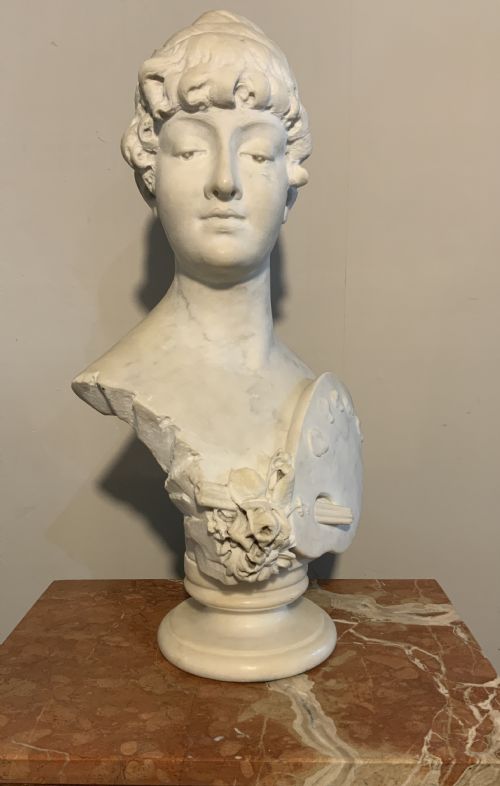
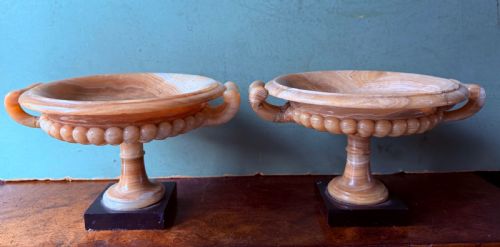
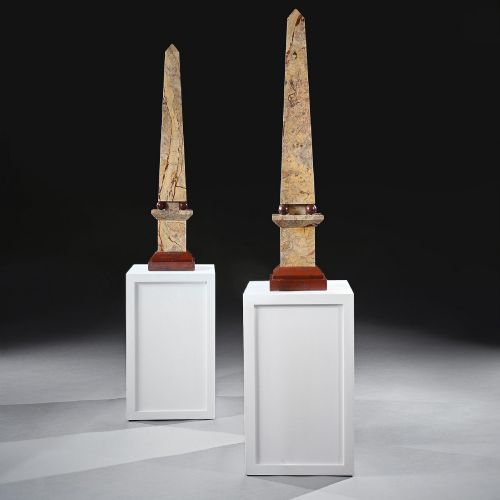
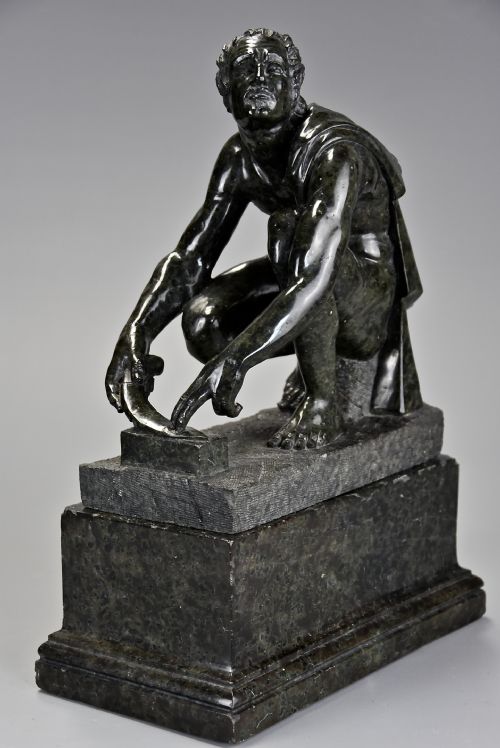
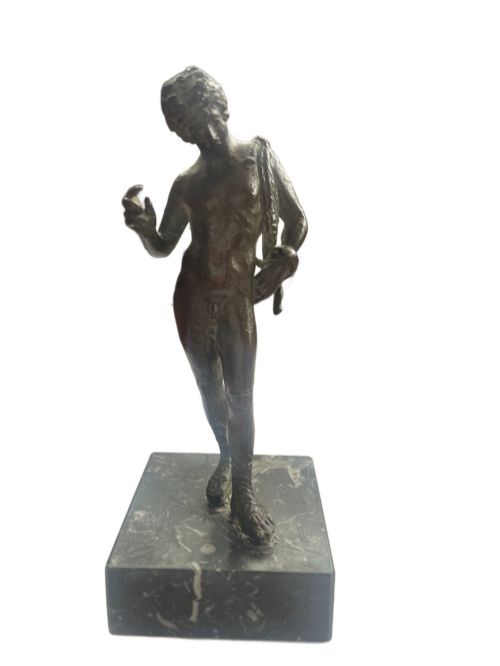
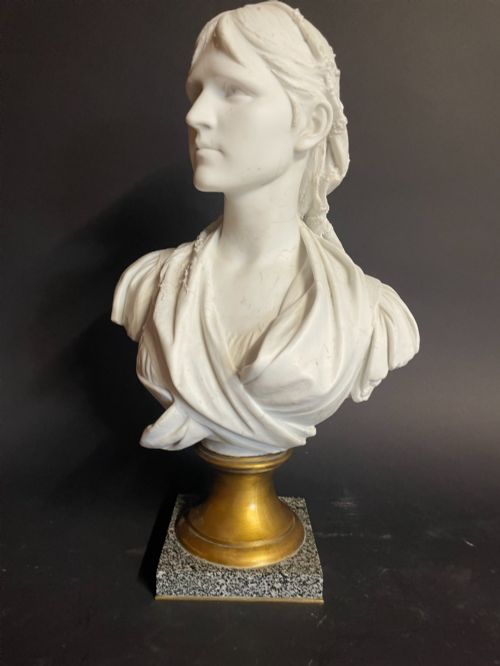
Grand tour marble pieces comprise carved stone sculptures, architectural models, and decorative vessels collected by travellers on European educational journeys. The selection includes reduction copies of famous ancient monuments, statues of figures after the antique, and desk accessories incorporating specimen marbles.
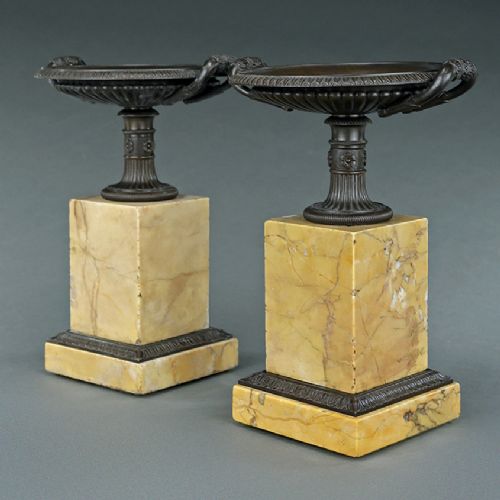
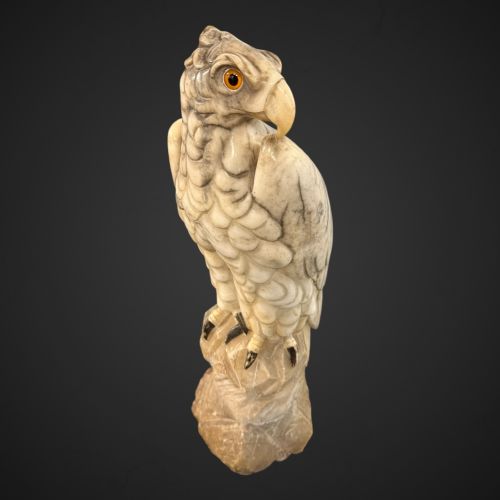
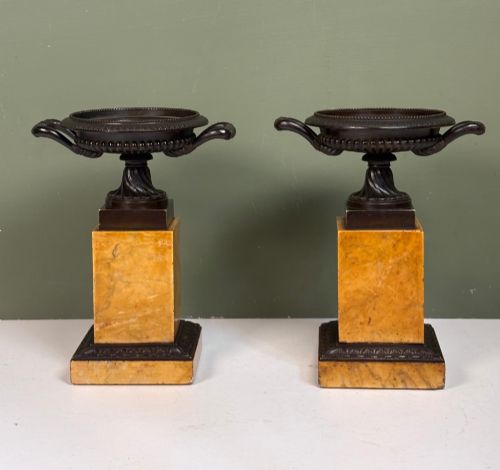
Nineteenth-century examples dominate the offerings, though seventeenth-century pieces and later Victorian items also appear. Common forms span tazzas, urns, pedestals, and animal figures alongside classical busts.
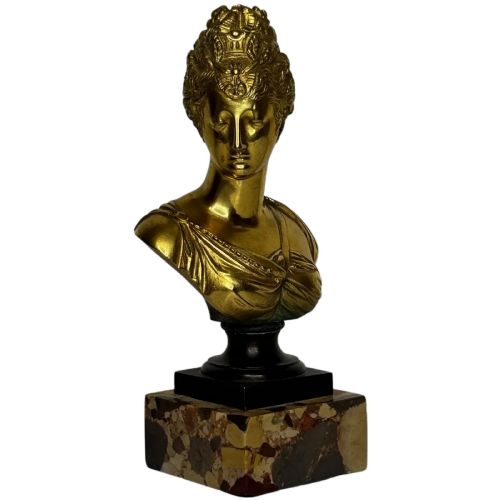
Italian workshops produced the majority of these souvenir items, utilising native stones such as Carrara marble, giallo antico, and sienna. Buyers encounter both pure stone carvings and composite objects pairing marble bases with bronze or silver gilt elements.
Materials and carving techniques
Craftsmen shaped these items from various stones, including white statuary marble, breccia, serpentine, and vert de mer. Many objects combine carved marble with patinated bronze, micromosaic panels, or malachite and agate inlay.
Sculptors created reduction copies of classical antiquities by hand, translating large public statues and architectural ruins into cabinet-scale souvenirs. Turning lathes shaped round items like columns, balls, and tazza stems before manual finishing.
Retail Price Guide 2026
Typical UK retail prices for grand tour marble, calculated from the Sellingantiques database of over a million retail prices indexed since 2003. This retail price guide relies exclusively on Sellingantiques data; no external sources or auction records are used, so the figures do not describe the wider market.
Travellers abroad could purchase miniature stone boars and tortoises to pack alongside their grand marble columns.
Distinctions in quality
Fidelity to the original ancient sculpture dictates the success of a carved reduction piece. Sculptors who captured accurate anatomical proportions and crisp drapery lines achieved superior results compared to mechanical copyists.
Carlo Albacini·Benedetto Boschetti·Antonio Canova·Michelangelo Buonarroti Simoni
The Grand Tour Marble Glossary
- Carrara marble
- A type of white stone quarried in Tuscany and widely used for classical sculpture. It provides the smooth, uniform surface seen on many nineteenth-century figure reductions.
- Giallo antico
- An antique yellow marble quarried in ancient times and prized by later craftsmen for its deep golden colour. It appears on pedestals, columns, and decorative desk weights.
- Campana urn
- A bell-shaped vessel style derived from ancient pottery and bronze shapes. Makers translated these classical silhouettes into marble and bronze pairs for domestic display.
- Micromosaic
- A detailed picture assembled from tiny coloured glass tesserae set into a stone base. These panels often decorate desk weights and brooches alongside specimen marbles.
Frequently Asked Questions
What is a grand tour marble?
Grand tour marble refers to carved stone sculptures and decorative objects purchased by travellers touring European cultural sites during the eighteenth and nineteenth centuries.
These pieces typically replicated famous antiquities, architecture, or mythological figures from Rome, Greece, and Florence.
How were grand tour items used?
Travellers displayed these objects in studies, libraries, and drawing rooms as proof of their education and refined taste.
Smaller items like paperweights and micromosaic plaques functioned as desk accessories, while tazzas and urns served purely decorative purposes on mantelpieces.
How do I identify different marbles?
White statuary marble shows a clean, fine-grained surface suitable for detailed human figures, whereas specimen stones display varied natural veining and colours.
Materials like sienna, giallo antico, and vert de mer are identified by their distinct yellow, ochre, or green mineral patterns.
Are these pieces direct antiquities?
Most items date from the nineteenth century rather than ancient times, created specifically as souvenirs for the tourist market.
Sculptors based their designs on ancient statues and archaeological discoveries, producing reduction copies rather than original Roman artefacts.