





Grand Tour Marble Figure
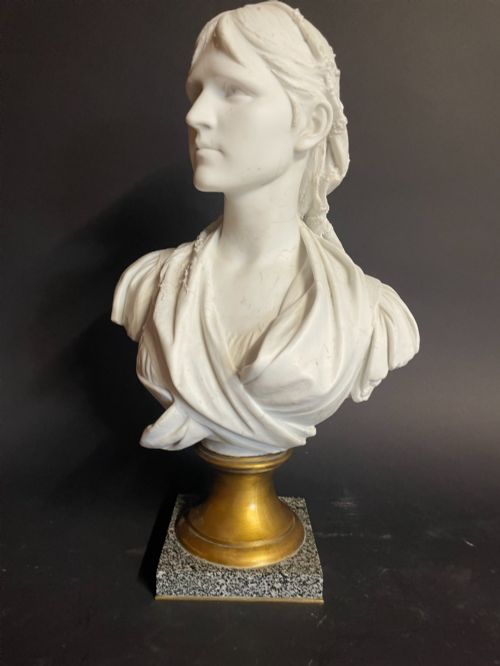
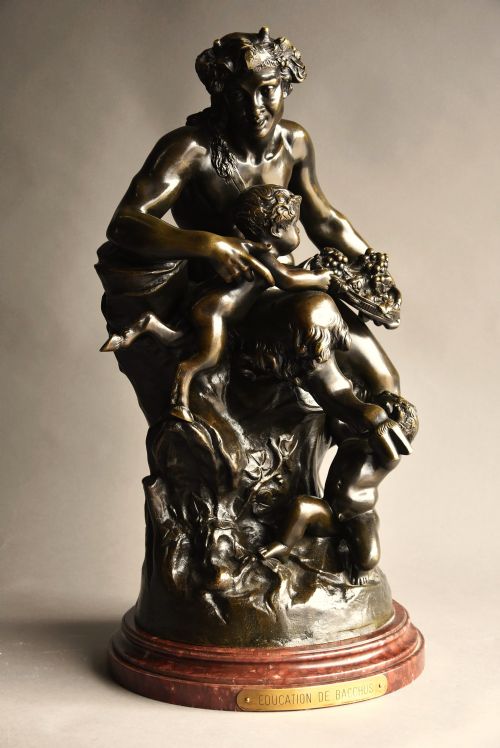
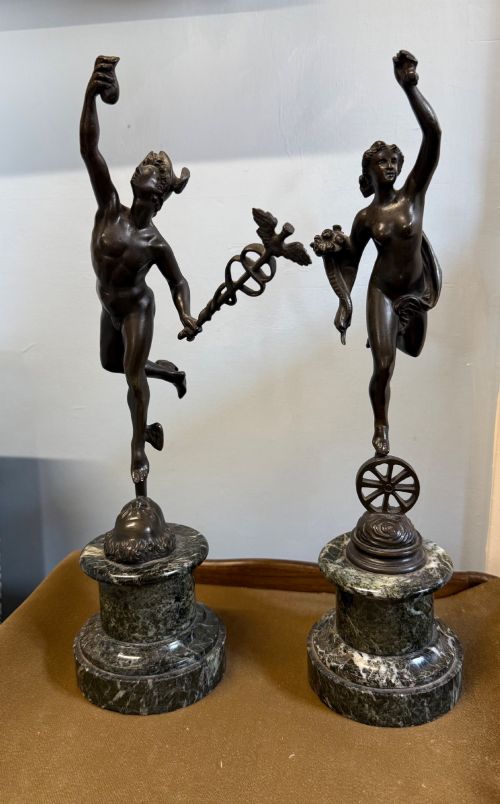
When you collect a grand tour marble figure, you bring home a miniature piece of classical antiquity shaped by nineteenth-century European ateliers.
Grand Tour Marble Figure
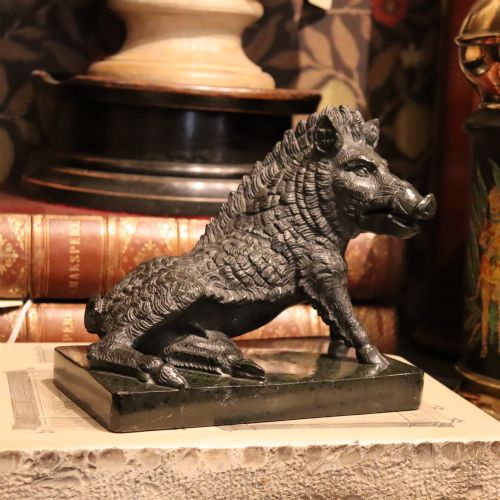
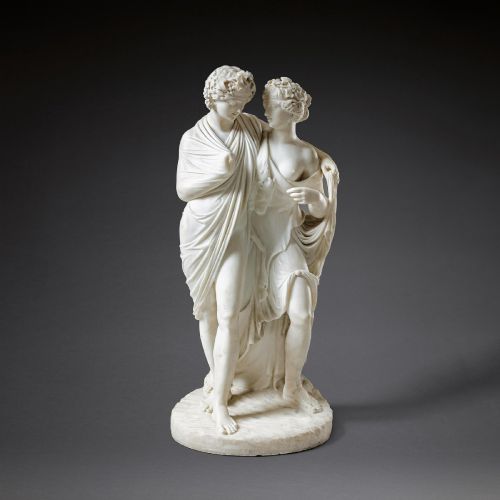
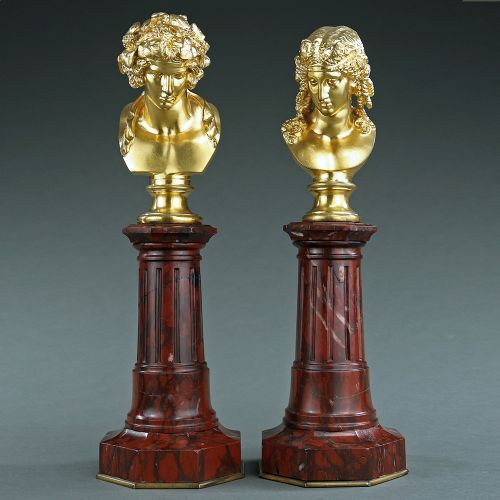
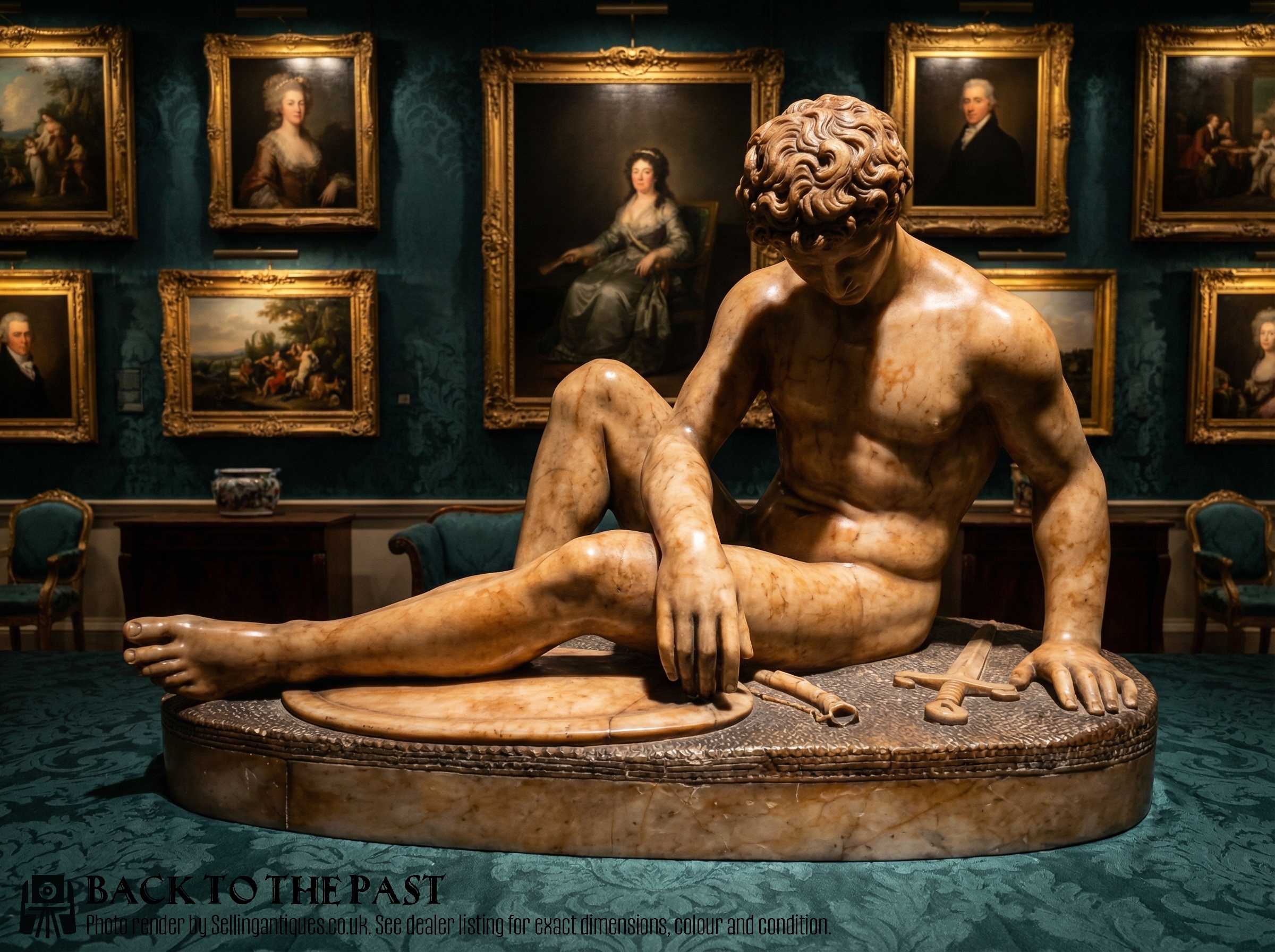
A grand tour marble figure represents a sculpted copy of classical statuary, mythological subjects or famous architectural animals acquired by travellers during nineteenth-century cultural tours of Italy and Europe. These pieces often follow canonical ancient models like the Canova lions, the Florentine boar or the Borghese Gladiator, translated into manageable proportions for domestic display.
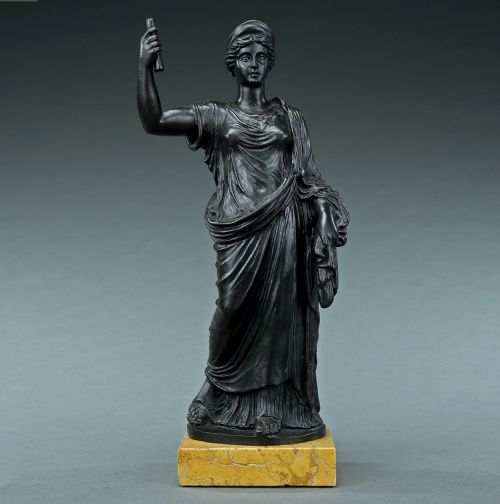
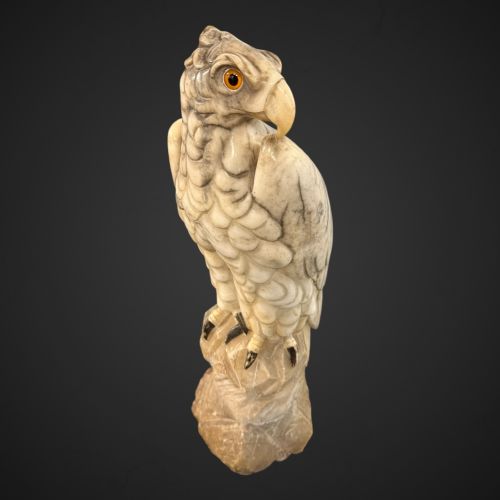
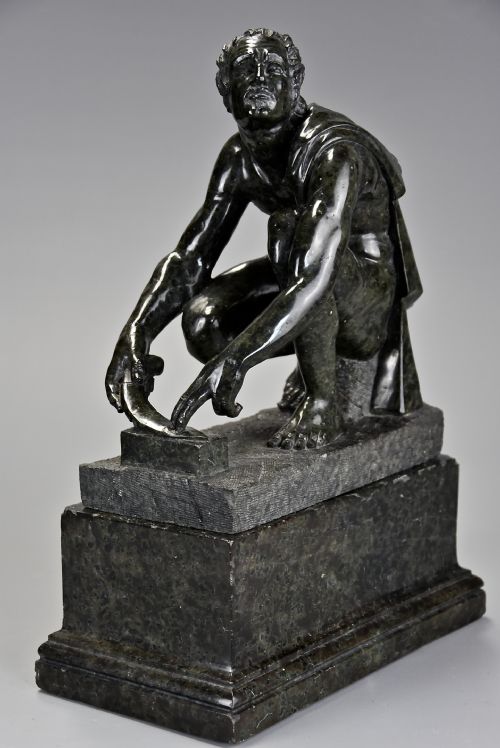
Most items on this page date from the nineteenth century, spanning periods from the 1850s to the early twentieth century, alongside occasional examples in serpentine marble, alabaster and bronze. You will encounter subjects ranging from mythological deities such as Juno and Bacchus to literary figures like Dante Alighieri, frequently mounted on contrasting marble bases.
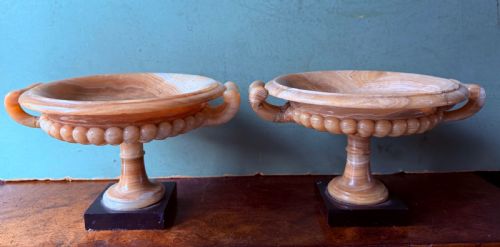
These works function as decorative sculptures, library busts, and small-scale tazze, capturing the prevailing neoclassical and Egyptian revival tastes of the Victorian collector. They serve both as historical souvenirs of Mediterranean travel and as exercises in academic sculpture after the antique.
How they were made
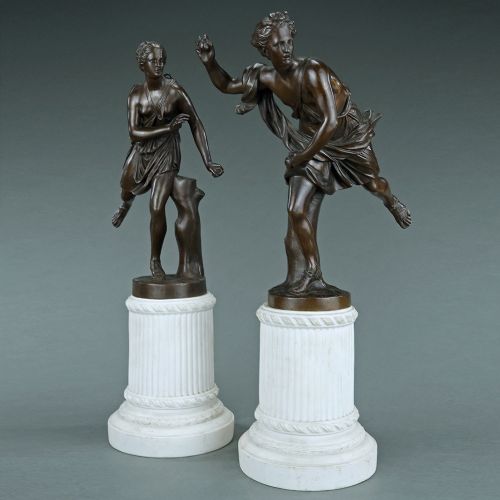
Many sculptures incorporate mixed media, mounting carved stone bodies onto contrasting black, grey, or Siena marble plinths, sometimes complemented by gilt bronze elements or cast bronze details. Workshops in Italy and France relied on pointing machines to scale down monumental ancient marbles and bronzes into cabinet-sized souvenirs.
Travellers often returned home with miniature stone boars and lions guarding their luggage.
What varies in quality
The degree of anatomical precision and hand-carving depth separates superior souvenir sculptures from mechanical reproductions. Master carvers captured the subtle tension of sinew and the softness of flesh in marble, whereas lesser examples present stiff outlines and uniform surface textures.
Material selection and base preparation dictate overall refinement, with highly figured marbles, dense alabaster, and patinated bronze mounts indicating superior workshop output. The crispness of the chisel work around hair, eyes, and drapery distinguishes an accomplished nineteenth-century studio piece from a generic decorative carving.
Barbedienne·Carlo Albacini
The Grand Tour Marble Figure Glossary
- Grand Tour
- A traditional journey through continental Europe, chiefly Italy, undertaken by upper-class European travellers to study classical art and architecture. This travel generated a demand for miniature souvenir sculptures and architectural models.
- Neoclassical
- A Western cultural movement drawing inspiration from the art and culture of classical antiquity. It dominated European sculpture and decorative arts during the eighteenth and nineteenth centuries.
- Serpentine Marble
- A green, mottled stone resembling serpent skin, frequently utilised by nineteenth-century Italian carvers for animal sculptures and architectural models. It takes a high polish and provides a striking visual contrast to white marble.
- Tazza
- A small, shallow ornamental cup or vase raised on a stem and foot, often carved from alabaster or marble during the nineteenth century. These vessels frequently stood on contrasting marble block bases.
- Carrara Marble
- A type of white or blue-grey marble mined from the city of Carrara in Tuscany, Italy. It served as the principal material for classical statuary and nineteenth-century grand tour copies after the antique.
Grand Tour Marble Figure: Frequently Asked Questions
What is a grand tour marble figure?
A grand tour marble figure is a nineteenth-century carved souvenir depicting classical statues, mythological figures, or animals, created for travellers touring European cultural centres.
These pieces were produced in European workshops, primarily in Italy and France, to replicate famous antiquities found in museums and archaeological sites.
How were these marble figures displayed?
Collectors typically displayed these sculptures on library tables, mantelpieces, or dedicated pedestals within nineteenth-century studies and drawing rooms.
Many figures featured integrated stone or marble plinths that anchored the composition and protected underlying furniture surfaces.
How do I identify the period?
You determine the period by examining the tool marks, the choice of marble or alabaster, and the specific style of the base mounting. Nineteenth-century pieces often exhibit hand-finished surfaces and specific patination on associated bronze elements.
Comparing the subject to known antique sculpture references helps confirm whether a piece dates to the mid or late nineteenth century.
What subjects are most common?
Common subjects include classical deities, literary figures like Dante, historical rulers, and famous antique animals such as the Canova lions or the Florentine boar. Sculptors also frequently reproduced celebrated museum marbles like the Borghese Gladiator and Venus Italica.
These subjects reflected the classical education and aesthetic interests of Victorian travellers.