



Gothic Wooden Bench
A gothic wooden bench brings architectural presence and ecclesiastical character into a modern interior.
Gothic Wooden Bench
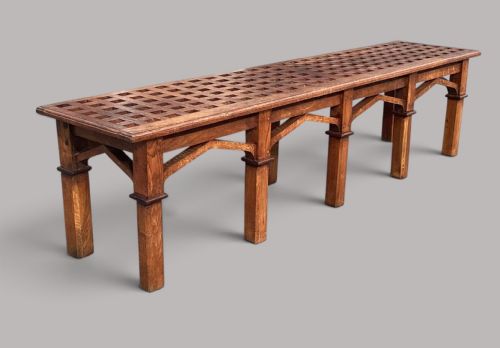
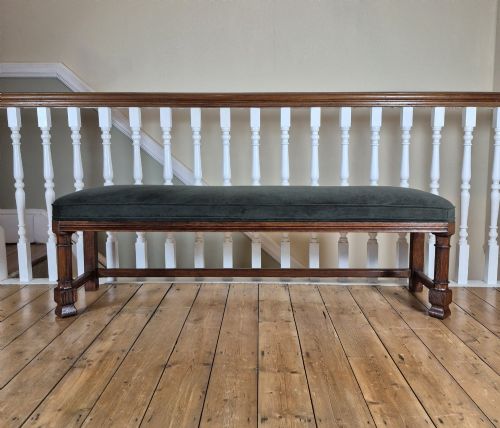
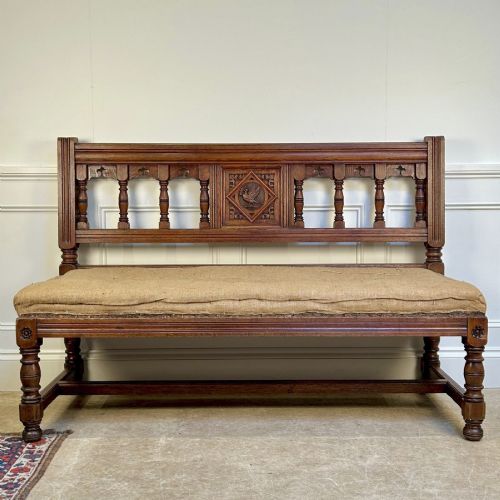
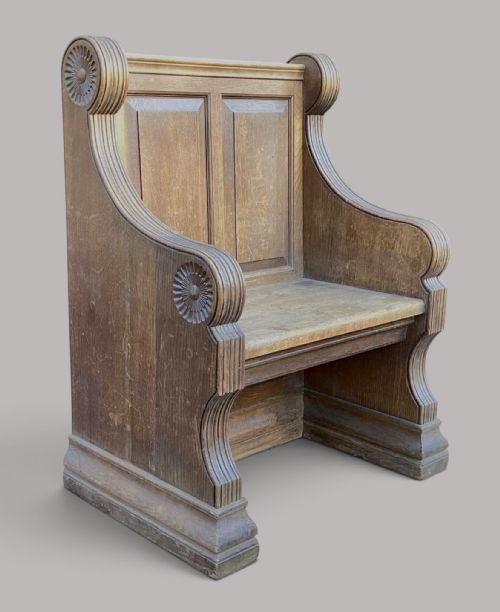
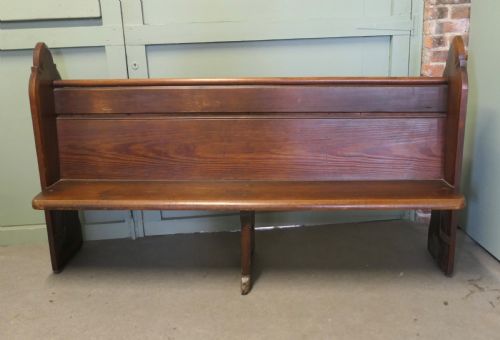
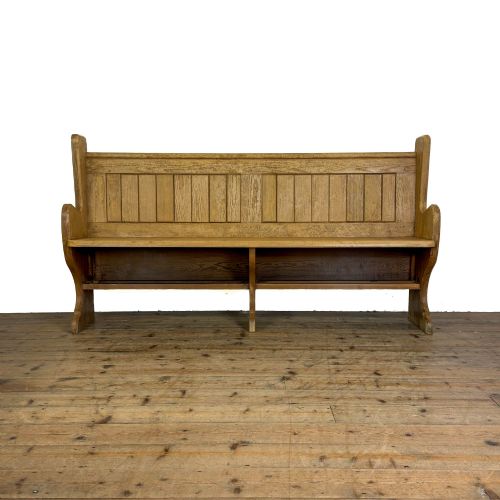
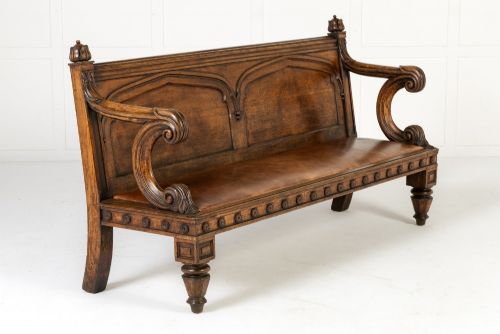
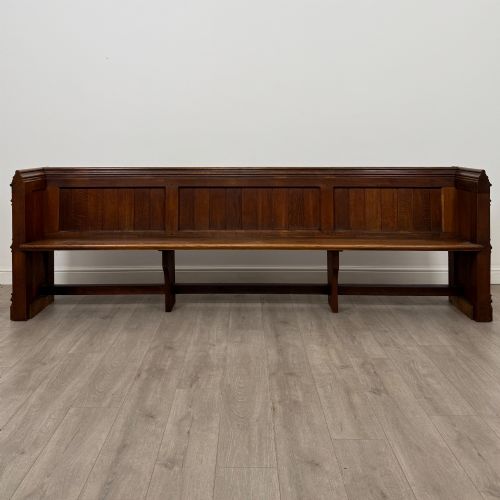
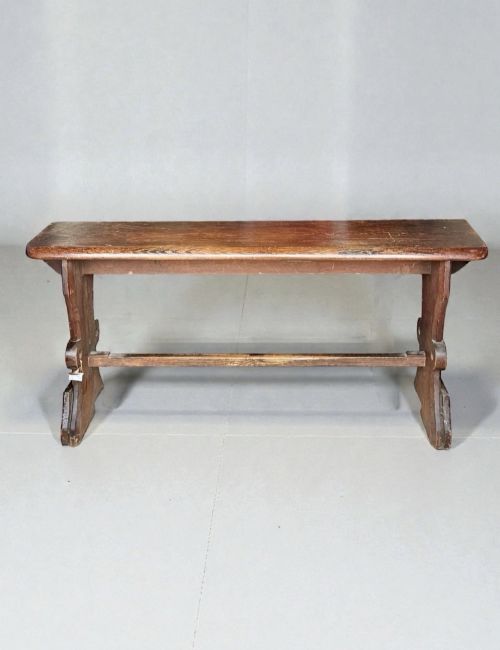
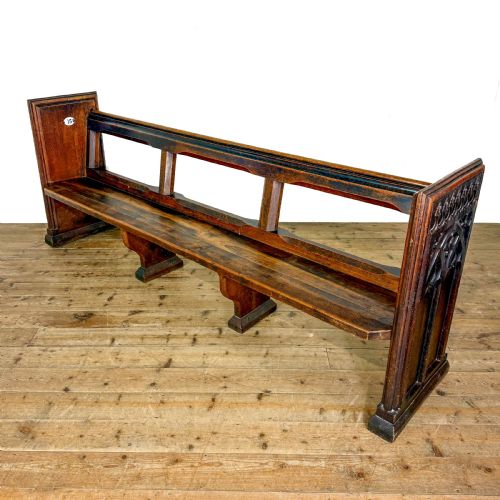
A gothic wooden bench provides sturdy seating drawing heavily on medieval ecclesiastical and architectural traditions. Buyers searching for a gothic wooden bench encounter substantial nineteenth-century pieces ranging from compact hall seats to long church pews and settles.
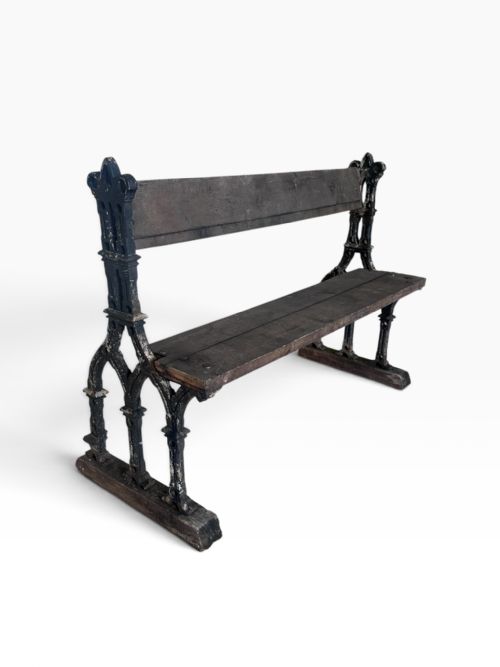
Most examples originate from the Victorian period and the wider Gothic Revival movement. Common forms include high-backed settles, window seats, and chapel pews designed for domestic halls, reception spaces, and ecclesiastical interiors.
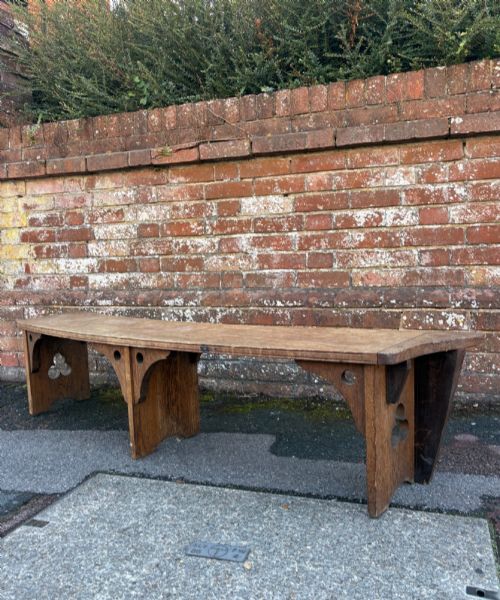
Makers often incorporated pointed arch motifs, trefoil carvings, and heavy panelled construction. These seating forms served practical daily utility in corridors and entranceways while projecting a serious, historic aesthetic.
Assessing Craftsmanship and Proportion
Quality rests upon the crispness of the hand-carving and the integrity of the timber selection. Superior examples display deep, deliberate relief work on linenfold panels and trefoil supports rather than shallow, mechanical milling.
Proportion and scale dictate the visual success of the piece within a room. Master makers balanced heavy architectural pediments and high backs with refined joinery that prevented the furniture from appearing clumsy.
Several church pews retain their original numbering stamps, revealing the exact spot where Victorian parishioners once sat.
GIllows
The Gothic Wooden Bench Glossary
- Gothic Revival
- An architectural and decorative movement reviving medieval forms from the mid-nineteenth century onwards. It heavily influenced furniture design through pointed arches and structural honesty.
- Settle
- A wooden bench featuring a high back to block draughts, solid arms, and often a storage box beneath the seat. They served as primary seating in large halls and farmhouses.
- Trefoil
- A three-lobed ornamental design resembling clover leaves, frequently pierced through wooden backs and structural supports. This motif derives directly from Gothic stone window tracery.
- Pitch Pine
- A durable resinous softwood utilised extensively for nineteenth-century church pews and institutional furniture. It possesses a distinctively bold grain pattern.
- Pugin style
- Design work following the principles of Augustus Pugin, champion of the Gothic Revival. It emphasises structural truth and medieval architectural ornament.
Gothic Wooden Bench: Frequently Asked Questions
Where should I place a gothic wooden bench?
These benches suit entrance halls, long corridors, and large living spaces where their architectural backs create a strong focal point. They also function well against plain walls in dining rooms.
Because many examples are deep and heavy, measure your clearance carefully before positioning one in a narrow hallway.
How do I care for antique oak furniture?
Maintain the timber by applying a microcrystalline wax polish occasionally to nourish the wood and protect the surface from moisture. Avoid placing antique wood near direct heat sources.
Keep rooms at a stable humidity level to prevent the solid timber planks from splitting or warping over time.
Are church pews comfortable for daily sitting?
Pews were built for communal assembly rather than lounging, meaning their seats are typically upright and shallow. Many owners add loose cushions for extended sitting.
Their solid construction ensures they remain exceptionally sturdy for everyday use in busy hallways.