




Reclaimed Church Seating
These reclaimed church seating pieces bring architectural history straight into the home, offering sturdy pine and oak benches built for quiet endurance.
Reclaimed Church Seating
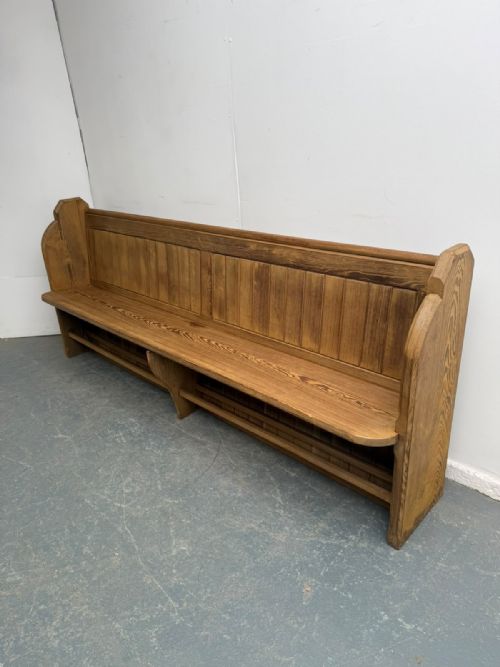
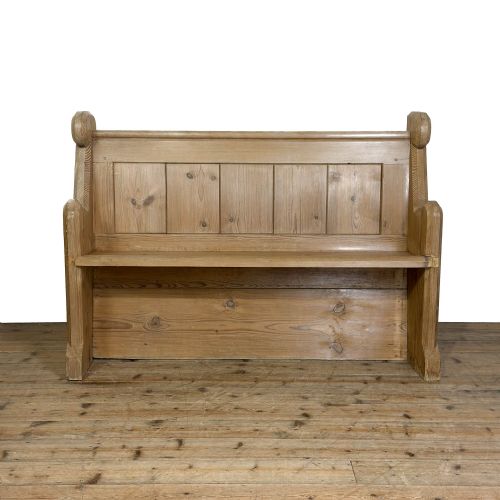
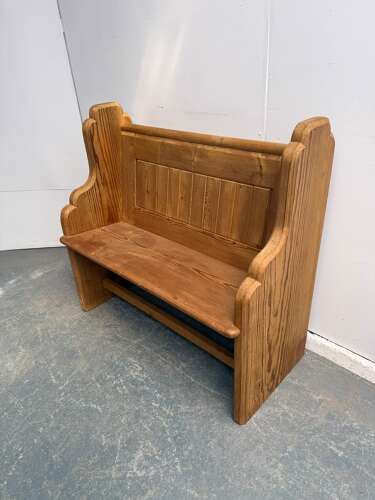
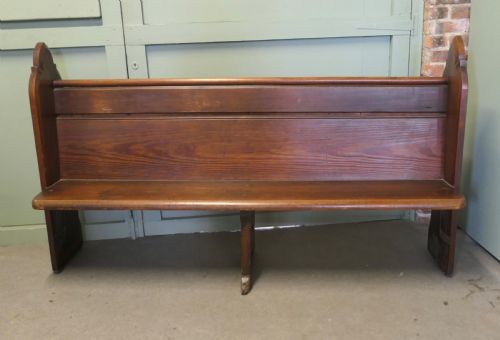
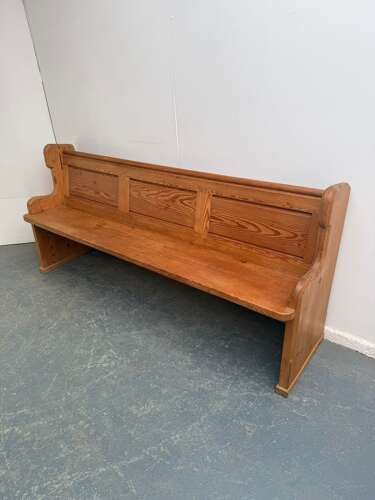
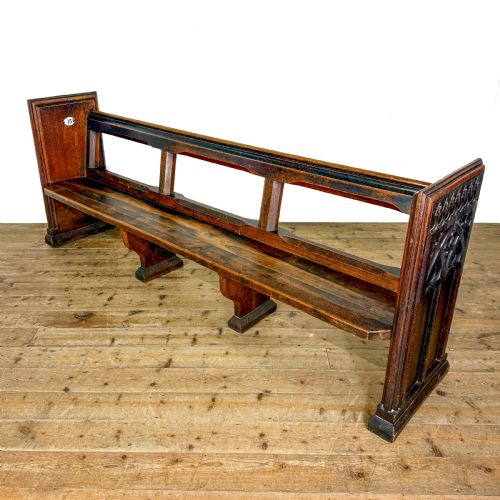
When you search for reclaimed church seating, you encounter solid timber benches and pews originating from ecclesiastical settings across the nineteenth century. These forms range from single-seater chapel chairs to long Victorian oak and pitch pine benches designed for communal worship.
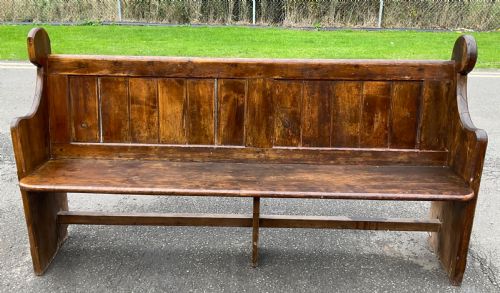
You are most likely to meet Victorian pitch pine and pine examples on this page, often showing the distinct marks of their earlier ecclesiastical life. These pieces suit modern hallways and dining spaces where substantial length and simple timber construction provide functional seating.
The selection includes Arts and Crafts interpretations alongside standard Victorian Gothic styles, reflecting the varied architectural periods of their origin. Each bench serves as a durable seat carrying the patination of long decades of regular use.
How they were made
Carpenters constructed these pews using dense softwoods like pitch pine and hard-wearing timbers such as oak, often joined with sturdy framing techniques suited to heavy public use. Workshops finished the surfaces with wax to nourish the wood and reveal the natural grain patterns over decades.
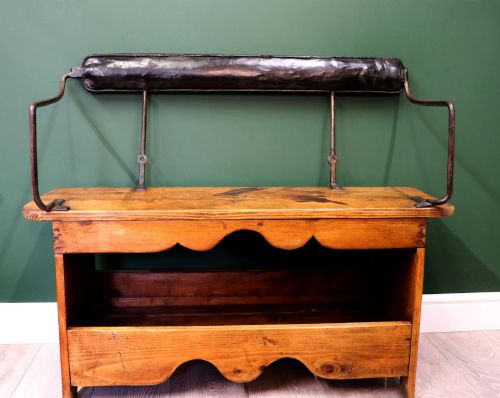
Iron brackets and fixings occasionally reinforced the timber structures, while some variants incorporated leather or fabric upholstery for added comfort. These materials combined to produce resilient benches capable of withstanding generations of constant sitting.
Reclaimed Church Seating Retail Price Guide 2026
Typical asking prices for reclaimed church seating among the pieces listed under this phrase on Sellingantiques today, from the lower quarter to the upper quarter. They describe what is for sale here now, not the wider market.
One Edwardian hall seat arrives with a novel twist, proving that even solemn church timber occasionally enjoyed a playful moment.
What varies in quality
The distinction between standard utility pews and finer examples lies in the selection of timber, particularly dense pitch pine versus ordinary pine, and the complexity of the cabinet work. Pieces featuring thoughtful Gothic detailing or Cotswold oak demonstrate greater artisanal effort than basic utilitarian seating.
Surface preservation also dictates worth, as original wax finishes that retain a warm, untouched patina outshine modern refinishing efforts. The overall structural integrity and the presence of harmonious proportions separate ordinary benches from exceptional period survivals.
The Reclaimed Church Seating Glossary
- Pitch pine
- A heavy, durable resinous softwood prized for its distinct grain pattern and strength. Nineteenth-century makers utilised this timber extensively for pews due to its resistance to wear.
- Gothic
- An architectural style characterised by pointed arches and vertical emphasis, heavily revived during the Victorian era. Pews from this movement often display restrained ecclesiastical detailing.
- Arts and Crafts
- A design movement valuing traditional craftsmanship and simple forms over mass production. Pieces from this period focus on honest construction and visible material qualities.
- Wax finish
- A traditional protective coating applied to timber to enhance colour and provide a soft sheen. This method allows the natural wood to breathe while ageing gracefully.
Reclaimed Church Seating: Frequently Asked Questions
How do I fit a church pew into a hallway?
Measure your hallway thoroughly, accounting for the depth of the bench seat and any projecting backrests. These long timber forms work best against blank walls where their linear shape can anchor the room without blocking passage.
Leave adequate space around the ends of the bench so the piece does not overwhelm the entryway. Consider shorter single-seater versions if your corridor lacks the length required for a standard multi-seater pew.
Are these benches comfortable for daily dining?
Pews were built primarily for upright posture during services rather than lounging, meaning their wooden backs and seats are firm. Many people add loose cushions or sheepskins to soften the seating experience around a kitchen table.
The supportive height and sturdy construction make them practical for long family meals once you introduce modest padding.
How do I care for waxed pine pews?
Dust the timber regularly with a soft, dry cloth to prevent grit from accumulating in the grain. Apply a quality beeswax periodically to maintain the moisture of the wood and protect the surface from daily wear.
Keep these benches away from direct heat sources and strong sunlight, which can dry out the old pine and cause the timber to split over time.
How can I tell a Victorian pew from an Edwardian one?
Victorian pews typically exhibit heavier proportions, darker wax tones, and heavier Gothic or industrial influences in their framing. Edwardian examples often introduce a lighter touch or a novel twist in their design, reflecting changing domestic tastes.
Examining the construction methods and the density of the pine or oak will usually point towards the correct era of manufacture.