


Gothic Tracery Furniture
Gothic tracery furniture brings ecclesiastical motifs into domestic spaces, offering sturdy timber construction and pointed arch designs that command any room.
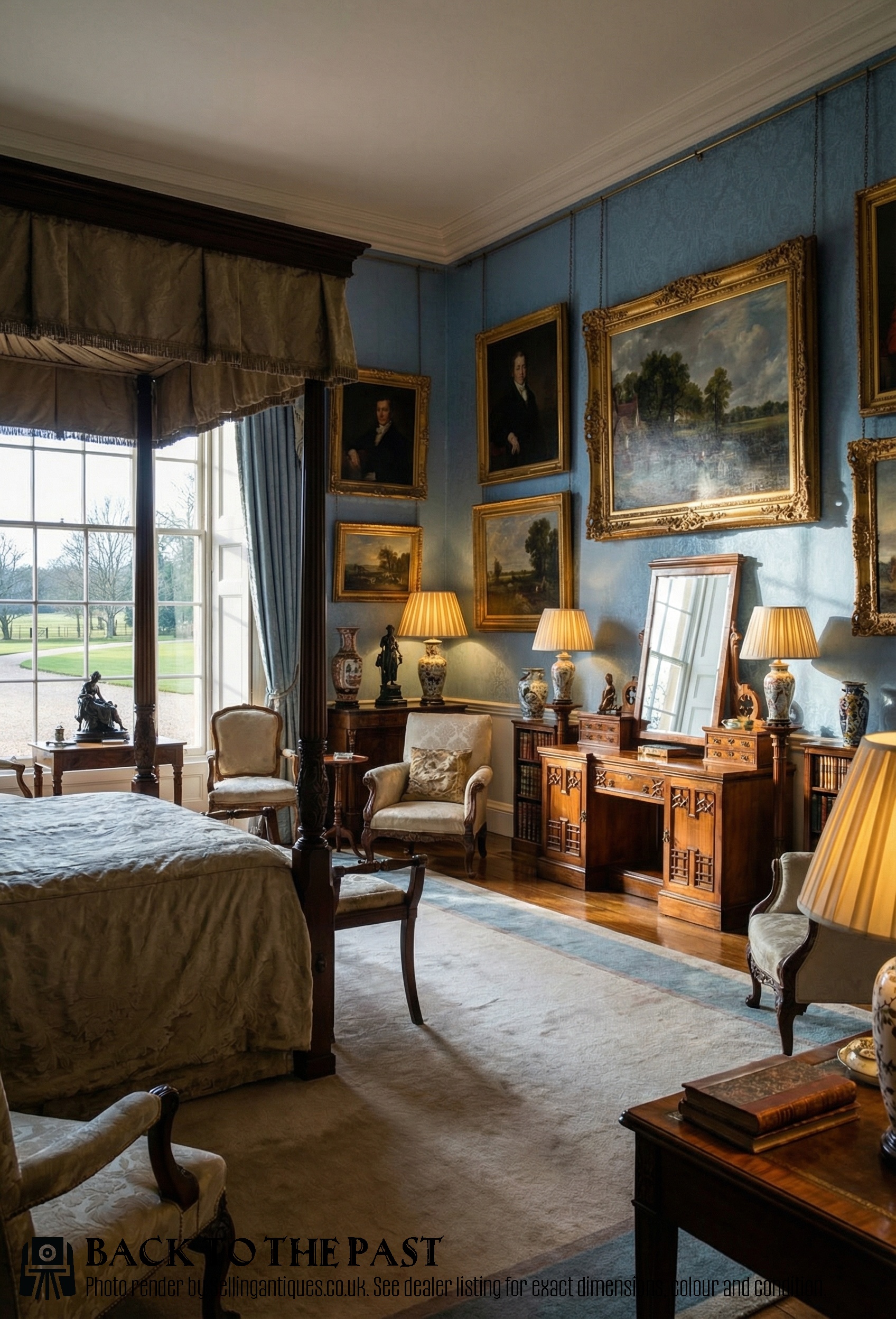
Gothic Tracery Furniture
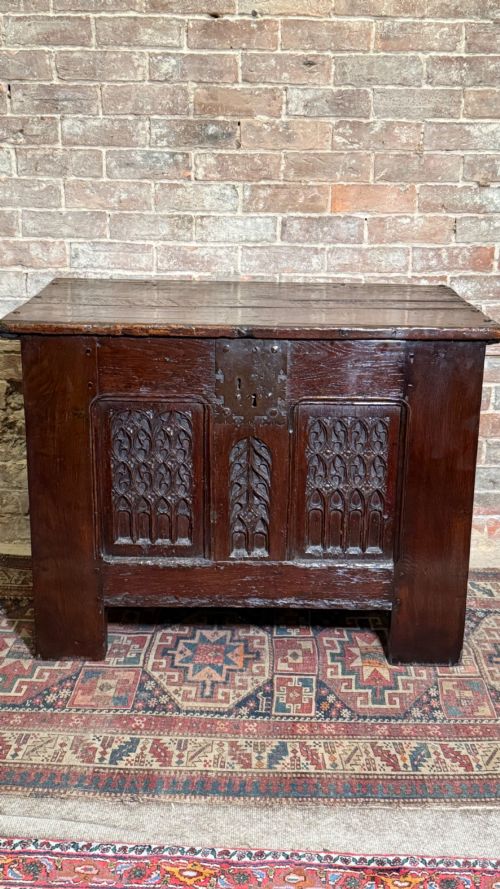
Gothic tracery furniture draws heavily on medieval ecclesiastical architecture, translating stone window patterns into timber and metal domestic forms. When looking for gothic tracery furniture, buyers will frequently encounter nineteenth-century revival pieces alongside earlier sixteenth-century examples.
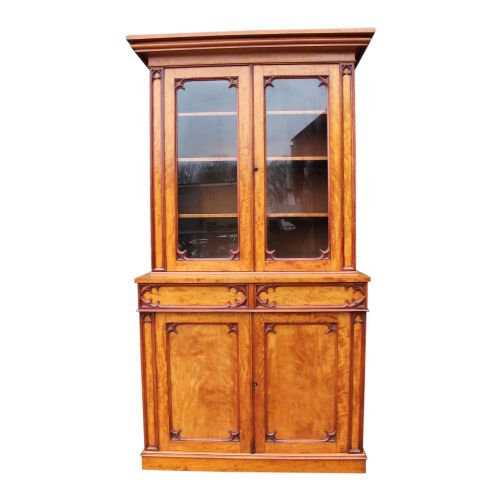
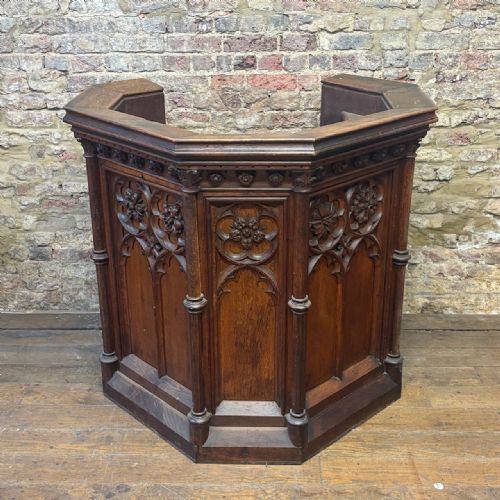
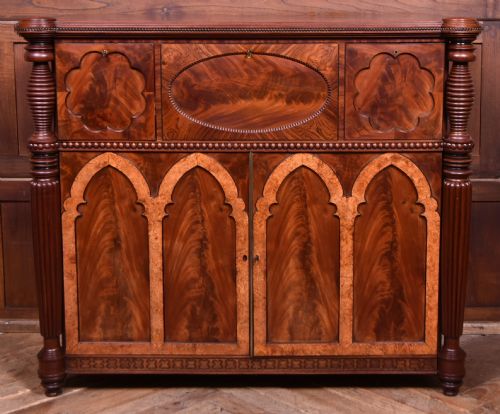
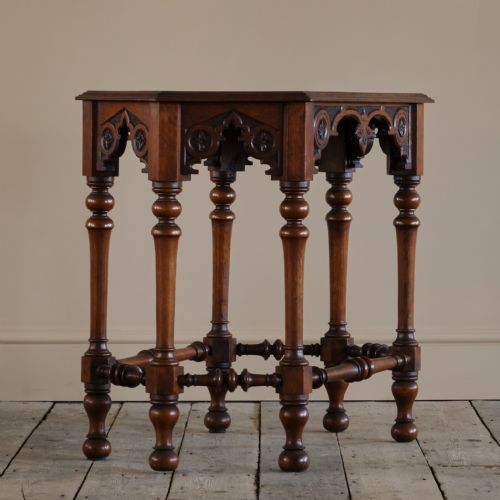
The selection ranges from large oak bookcases, breakfront cabinets, and side tables to smaller stools, pulpits, and garden chairs. Nineteenth-century interpretations dominate the inventory, often utilising walnut, mahogany, and satinwood alongside traditional oak.
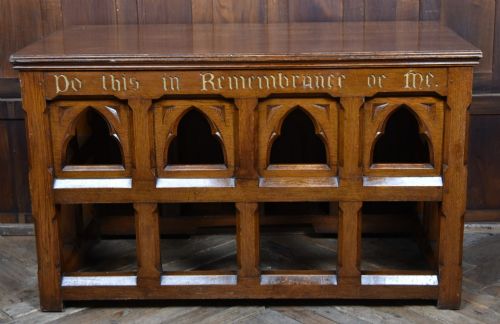
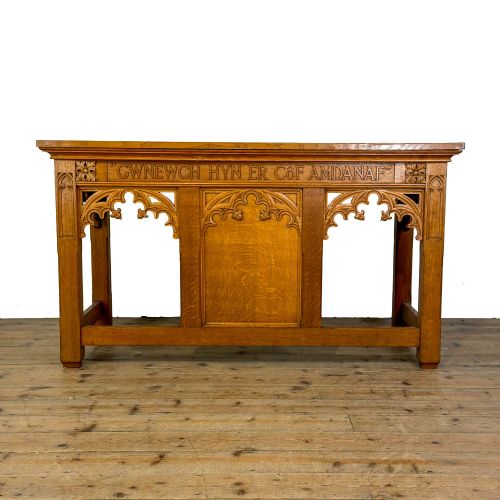
Secretaire cabinets, altar tables, and cupboards appear alongside hall benches and library steps, showing how diverse these ecclesiastical commissions were. Many pieces date from the Victorian and Edwardian periods, reflecting a widespread nineteenth-century fascination with medieval design.
Assessing Craftsmanship
Quality rests upon the crispness of the carved tracery and the structural integrity of the primary timber. Superior examples exhibit deeply undercut mouldings and precise geometrical alignment within the panels.
Secondary woods and the weight of the hardware also distinguish better workshops from mass production. Well-executed revival items show careful attention to historical proportion, whereas lesser pieces can appear heavy or ill-proportioned.
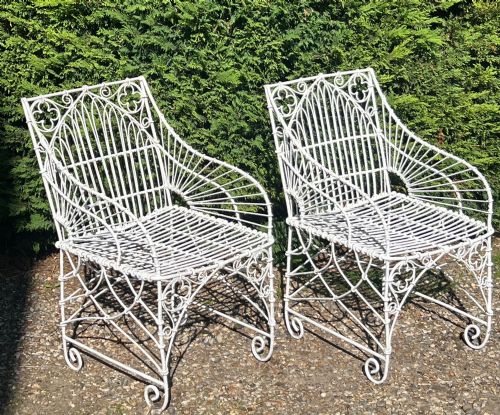
Cast iron garden chairs brought medieval church architecture out into the shrubbery.
Gillows·Val D'osne
The Gothic Tracery Furniture Glossary
- Tracery
- The stonework supports in Gothic windows consisting of interlocking stonework, later translated into woodwork panels. This decorative pattern defines the entire style.
- Coffer
- A large wooden chest used for storage, often banded in iron and heavily carved. These robust boxes represent some of the earliest surviving domestic forms.
- Creedence
- A small side table or cupboard placed near an altar to hold sacramental elements. In domestic settings, these sturdy cabinets served multiple storage purposes.
- Flamboyant
- A late Gothic style characterised by flame-like tracery curves. Furniture from this period displays particularly ornate and flowing pierced woodwork.
Gothic Tracery Furniture: Frequently Asked Questions
How do I spot a Victorian revival piece?
Victorian revival pieces often combine medieval motifs with contemporary nineteenth-century domestic forms like breakfront bookcases and secretaire cabinets. They utilise machine-assisted joinery alongside hand carving.
Look closely at the secondary timbers and interior construction methods to confirm the nineteenth-century date.
Are these pieces suitable for modern homes?
These items offer robust storage and striking architectural silhouettes that anchor modern interior schemes. Oak cupboards and side tables provide practical utility alongside historic character.
Ensure you measure ceiling heights and floor space carefully before introducing large bookcases or pulpits.
What wood was most commonly used?
Oak is the predominant timber found across both early and nineteenth-century examples. Walnut and mahogany appear more frequently in polite domestic revival furniture.
Alternative materials like cast iron and wrought iron are typically reserved for garden seating and structural hardware.
How do I tell sixteenth-century from nineteenth-century work?
Sixteenth-century items display tool marks, peg construction, and wear patterns consistent with early carpentry methods. Revival pieces show nineteenth-century industrial saw marks and standardised joinery.
Comparing the depth and crispness of the tracery carving helps clarify the period of manufacture.