

Gothic Glazing Cabinet
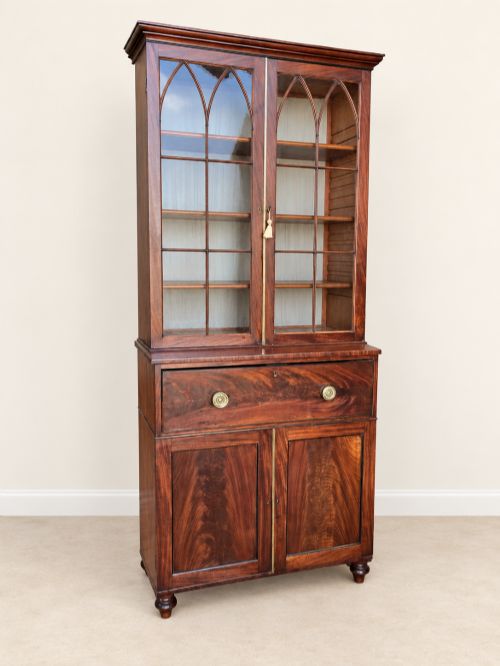
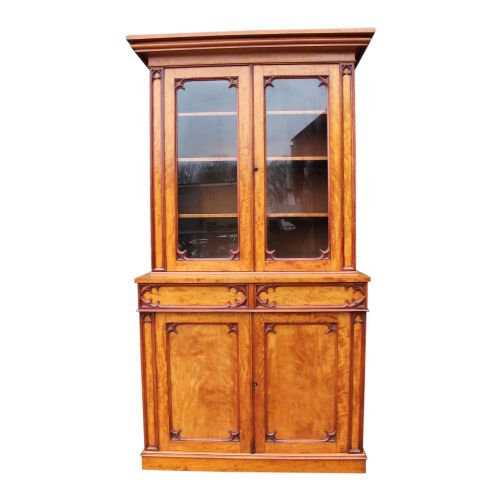
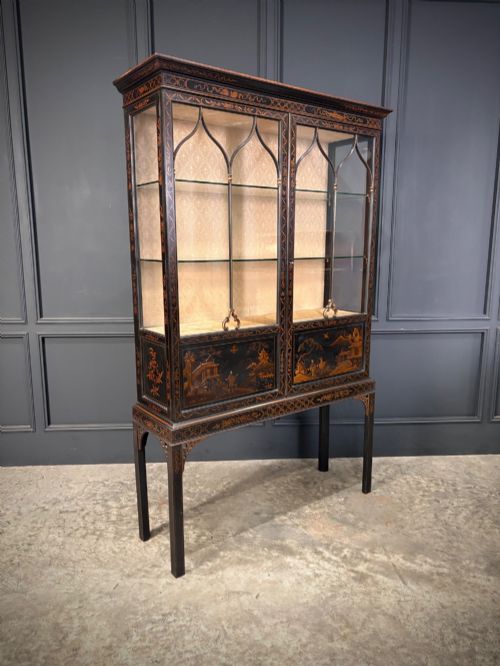
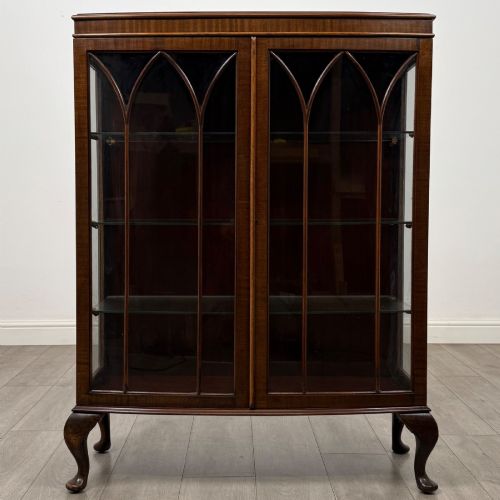
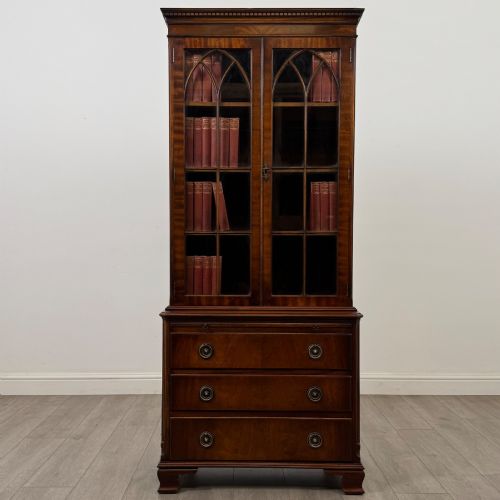
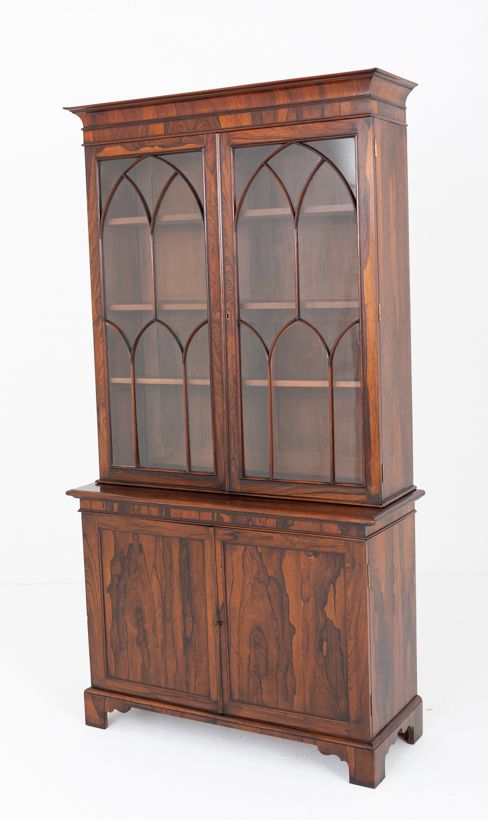
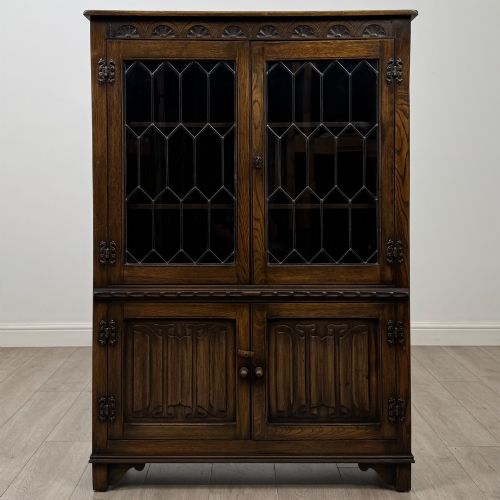
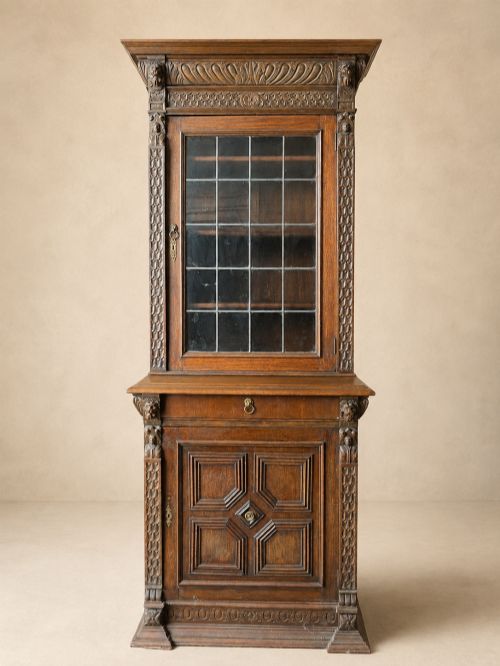
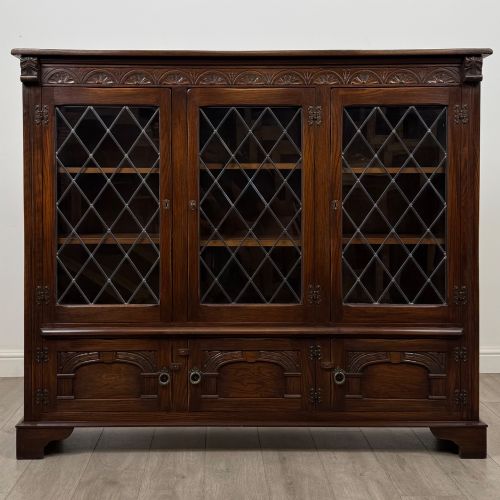
These gothic glazing cabinet designs combine architectural tracery with timber cabinetry to display books and collections.
Gothic Glazing Cabinet
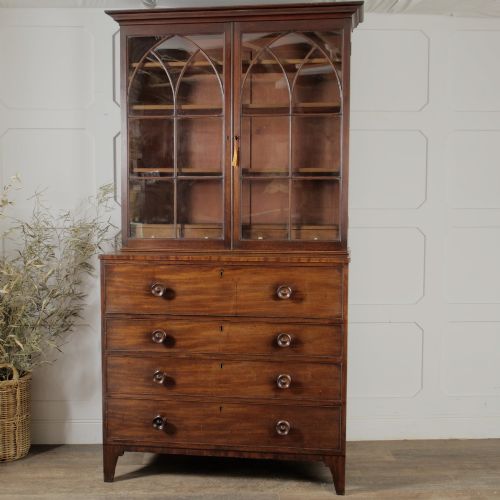
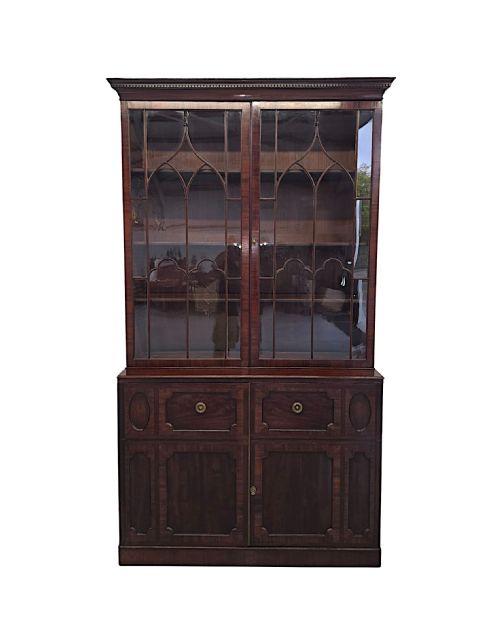
A gothic glazing cabinet brings architectural tracery and glass doors together to store and display books and collections. Buyers searching for a gothic glazing cabinet encounter examples spanning the Georgian, Regency, Victorian, and Edwardian periods.
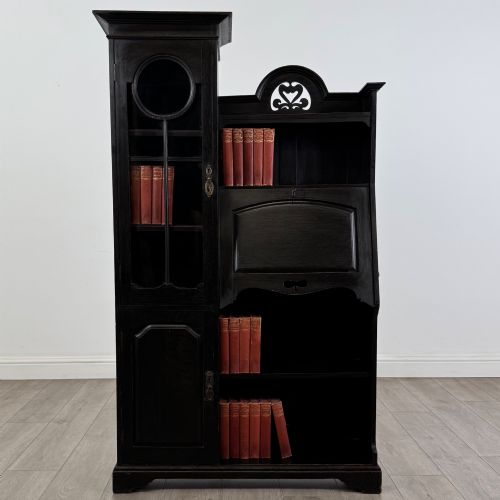
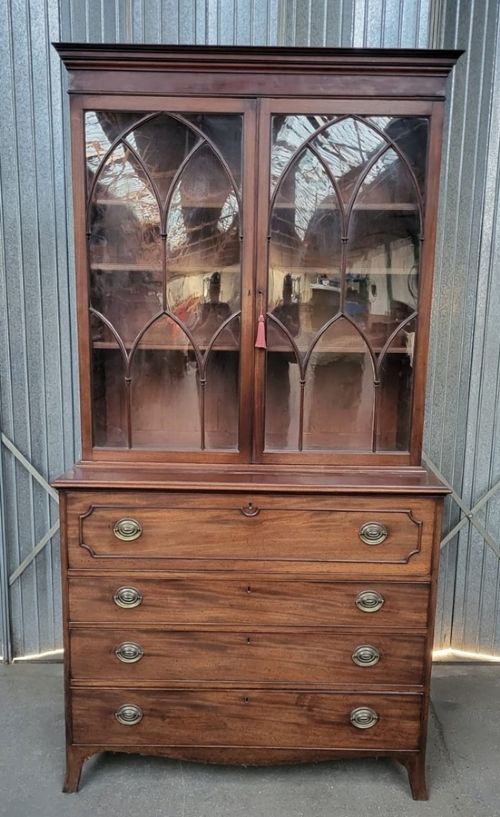
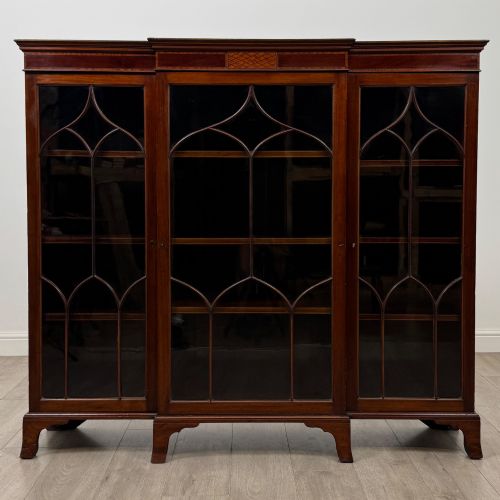
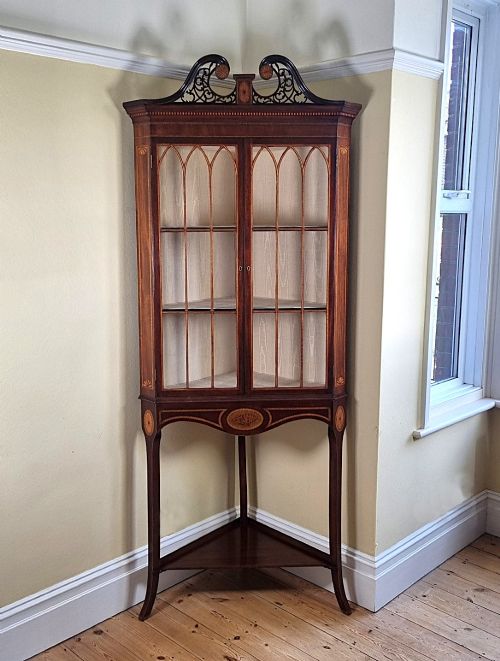
The form appears most frequently as a bookcase, display cabinet, or secretaire bookcase constructed in mahogany, oak, walnut, or satinwood. Many pieces utilise breakfront proportions or corner configurations designed to fit domestic interiors.
Makers adapted gothic architectural elements into domestic furniture, resulting in distinct cabinet designs with glazed upper sections. These storage pieces range from slim single-door cupboards to large breakfront libraries.
How they were made
Cabinet makers constructed these pieces using dense hardwoods including mahogany, oak, rosewood, and walnut, frequently selecting figured veneers for visual depth. Timber frames housed glass panes secured with lead or wooden glazing bars arranged in pointed arch and tracery patterns.
Joinery techniques involved precise mortise and tenon construction for the main bodies, alongside hand-cut dovetails for drawers within secretaire fitted interiors. Brass hardware, iron fittings, and occasional marquetry inlay completed the construction of the cabinet structures.
Some cabinets hid writing desks inside while pretending to be strictly for books.
What varies in quality
The refinement of the architectural timber tracery and the crispness of carved details distinguish superior examples from standard production. Cabinet makers achieved greater distinction through the selection of highly figured timber veneers and well-proportioned breakfront facades.
Internal joinery standards, including the thickness of solid timber drawer linings and the integration of original brass or iron hardware, separate workshop execution levels. The clarity of the glass and the precision of the glazed door assembly reflect the skill invested in the piece.
Jas Shoolbred·Gillows
The Gothic Glazing Cabinet Glossary
- Gothic Revival
- A design style drawing inspiration from medieval architecture, featuring pointed arches and structural tracery. This aesthetic defined many nineteenth-century cabinet doors.
- Secretaire Bookcase
- A dual-purpose form incorporating a pull-down writing drawer with fitted internal compartments beneath glazed upper shelving. It combines a desk and a display unit in one piece.
- Breakfront
- A cabinet design where the central section projects forward from the flanking wings. This configuration creates visual depth and substantial interior volume.
- Glazing Bars
- The narrow wooden or metal strips that hold individual panes of glass within a frame. They form the geometric patterns characteristic of cabinet doors.
- Marquetry
- The decorative craft of applying small pieces of veneer to form intricate patterns and pictures on furniture surfaces. It appears on select late Victorian and Edwardian pieces.
Gothic Glazing Cabinet: Frequently Asked Questions
What is a gothic glazing cabinet?
A gothic glazing cabinet is a storage and display piece featuring glass doors ornamented with architectural tracery and pointed arches.
These items were produced across the Georgian, Victorian, and Edwardian eras in timbers such as mahogany, oak, and walnut.
How were these cabinets used?
They served primarily as libraries and display units for housing valuable books, ceramics, and personal collections in domestic rooms.
Secretaire variations also provided a dedicated writing surface alongside upper display shelving.
Where do these cabinets fit best?
These cabinets suit studies, living rooms, and reception spaces where vertical storage and display frontage are required.
Smaller corner versions and slim bookcases accommodate compact residential layouts.
How to tell periods apart?
Georgian and Regency examples tend to feature classical proportions with restrained mahogany construction, while Victorian pieces often display heavier carved oak and gothic revival motifs.
Edwardian cabinets frequently introduce lighter satinwood or yew timber treatments.